
There is no single moment you can point to. No slammed door, no bruise, no headline event. The silent damage to your mental health doesn’t arrive that way — it arrives in comments, in silences, in moods you have to manage, in love and approval that always come with a condition attached. A critical parent, a controlling partner, or a toxic boss rarely destroys you all at once. Instead, they wear you down in inches, until “walking on eggshells” stops feeling strange and starts feeling like just how life is. This is the complete, research-backed guide to how that silent damage happens, why it’s so hard to see from the inside, and exactly how to start undoing it.
| Updated: August 2026 | 22 Min Read | Mental Health · Relationships · Work | RESEARCH-BACKED GUIDE |

One of the clearest early markers of silent damage to your mental health is hesitation — the pause before you speak, the second-guessing before you act, the quiet habit of checking someone else’s mood before you trust your own reaction. That hesitation is not a personality trait. It’s a learned response to an environment that punished you for reacting honestly.
We tend to think of damage to mental health as something dramatic — a single traumatic event, a diagnosable crisis, a before-and-after moment. But some of the deepest damage to your mental health isn’t loud at all. It’s silent damage: slow, repetitive, deniable. It’s a parent who criticizes instead of comforts. A partner who makes you apologize for feelings you didn’t even choose to have. A boss who keeps you just anxious enough to be productive. None of it looks like abuse on any single day. All of it adds up to the same place.
The silent damage is dangerous precisely because it’s slow. A broken bone gets treated immediately because the pain is impossible to ignore. Silent damage to your mental health gets normalized instead, explained away, absorbed into “that’s just how they are” or “that’s just how work is.” By the time most people recognize the pattern, years have often already passed — years spent shrinking, apologizing, overperforming, or staying quiet to keep the peace.
This guide walks through the three relationships where silent damage to mental health does the most harm — parents, partners, and bosses — because they share one thing in common: power. In each case, someone holds power over your love, your safety, or your livelihood, and that power is exactly what makes silent damage possible. Understanding how the silent damage actually works, in each of these relationships, is the first real step toward stopping it.
☰ TABLE OF CONTENTS
- What “Silent Damage” to Your Mental Health Actually Means
- How Critical Parents Slowly Damage Your Mental Health
- How Partners Slowly Damage Your Mental Health Through Gaslighting
- How Toxic Bosses Slowly Damage Your Mental Health at Work
- The Shared Playbook: Why Silent Damage Always Looks the Same
- 7 Signs Someone Is Quietly Destroying Your Mental Health
- Step-by-Step: How to Recharge and Regain Control
- When and How to Reach Out for Help
- Frequently Asked Questions
1. What “Silent Damage” to Your Mental Health Actually Means
Silent damage to your mental health is what psychologists describe when they talk about chronic, low-grade psychological maltreatment — as opposed to a single traumatic incident. It’s the criticism repeated so often it becomes your inner voice. It’s the disapproval that shows up as a sigh instead of a sentence. It’s the boss who never quite yells but never quite lets you relax either. None of these moments would hold up on their own as “proof” of anything. That’s exactly why the silent damage works.
Researchers who study childhood psychological maltreatment have found that chronic emotional neglect and criticism are linked to anxiety, depression, post-traumatic stress, and even suicidal ideation that persist well into adulthood — often at rates comparable to more overt forms of abuse. The silent damage doesn’t need to be severe on any given day to be severe in its cumulative effect. It only needs to be constant.
There’s a reason the silent damage is so hard to name while you’re inside it. Human beings are built to adapt to their environment, not to constantly re-evaluate it. If the environment is a parent’s disapproval, a partner’s moods, or a boss’s unpredictability, you don’t keep noticing how strange it is — you adapt. You get quieter. You get more careful. You start mistaking hypervigilance for competence, and self-erasure for peace-keeping. That adaptation is the silent damage doing its work, and it’s exactly why it so often goes unnamed for years.
| 6 in 10 Workers currently report having a toxic boss |
47% Say a toxic boss caused stress, burnout, or declining mental health |
53% Have gone to therapy specifically because of a toxic boss |
60% Higher cardiac risk for employees under chronically toxic leadership |
19%+ Of children studied experienced at least moderate emotional neglect |
2. How Critical Parents Slowly Damage Your Mental Health

Of the three sources of silent damage covered in this guide, parents do the earliest and often the deepest work — because a child has no comparison point. If your parent’s love came with conditions, you didn’t experience that as unusual. You experienced it as what love is. That’s what makes a critical or emotionally neglectful parent one of the most effective, invisible sources of silent damage to a person’s mental health.
A highly critical parent doesn’t have to be cruel in an obvious way. The silent damage usually shows up as a pattern rather than an event: praise that always comes with a “but,” achievements that are immediately redirected toward the next expectation, comparisons to siblings or other children, or a flat refusal to acknowledge feelings that don’t match the parent’s own mood. A child raised this way often becomes an adult who over-apologizes, over-explains, and treats any neutral feedback as a verdict on their worth.
Emotional neglect causes just as much silent damage to mental health as active criticism, and it’s arguably harder to name because nothing “happens” — a child simply isn’t seen, asked about, or emotionally attuned to. Longitudinal research on childhood emotional neglect has linked it to anxiety symptoms in adolescence, disrupted stress-response systems, and a significantly increased risk of depression and anxiety disorders that persist into adulthood. One large birth-cohort study found that emotional neglect during childhood was significantly associated with depressive symptoms measured years later in adolescence — even after accounting for other factors.
The silent damage compounds because children of critical or neglectful parents often become the best possible advocates for their parents’ behavior. “They were just strict.” “They did their best.” “It wasn’t that bad, other kids had it worse.” That instinct to minimize is not evidence that the silent damage wasn’t real — it’s usually evidence of exactly how effective the silent damage was, because it trained you to protect the person causing it before you protect yourself.
3. How Partners Slowly Damage Your Mental Health Through Gaslighting
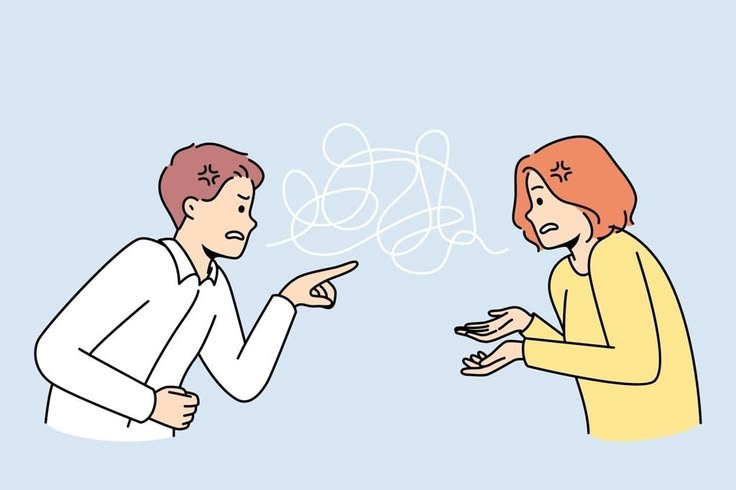
The signs of silent damage to your mental health rarely appear all at once — they build one small habit at a time, until you no longer recognize the version of yourself that existed before the relationship.
Romantic partners cause a distinct kind of silent damage to mental health because the relationship is supposed to be the safest one in your adult life — which is exactly what makes betrayal of that safety so disorienting. The clearest engine of this type of silent damage is gaslighting: a pattern where a partner denies your version of events so consistently that you stop trusting your own memory, perception, and judgment.
Gaslighting rarely starts with something big. It usually starts with small, deniable moments: “that’s not what I said,” “you’re remembering it wrong,” “you’re too sensitive,” repeated until you start pre-editing your own thoughts before you say them out loud. Relationship researchers describe this as the mechanism behind “walking on eggshells” — a state of chronic hypervigilance where you constantly scan a partner’s mood before deciding whether it’s safe to speak, ask for something, or simply exist as you are. Over time, this kind of vigilance keeps the body’s stress response chronically activated, which is linked to anxiety, depression, and in some cases symptoms consistent with complex trauma.
A particularly corrosive part of the silent damage caused by partners is a pattern called DARVO: Deny, Attack, and Reverse Victim and Offender. You raise a legitimate concern, your partner denies it happened, attacks you for bringing it up, and somehow you end the conversation apologizing to them. If you can recall several conversations that started with your valid complaint and ended with your apology, that pattern — not any single fight — is the silent damage at work. The goal of this kind of silent damage is rarely a single victory. It’s a permanent shift in whose reality gets to count.
4. How Toxic Bosses Slowly Damage Your Mental Health at Work
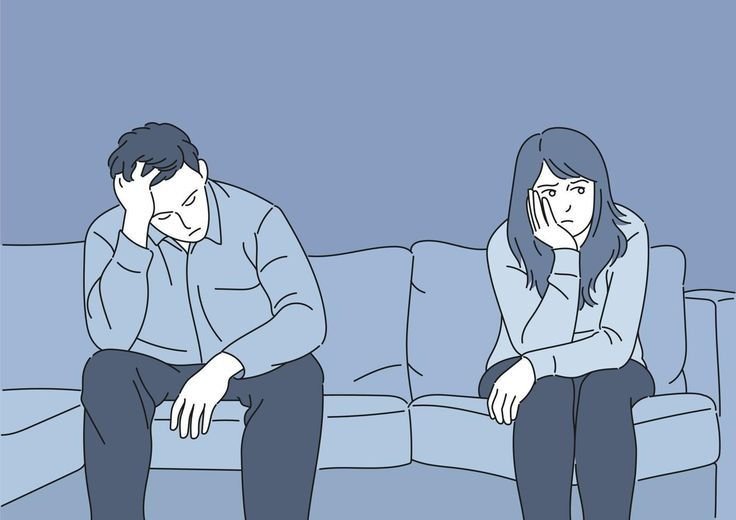
Work is where the silent damage to mental health often hides best, because a paycheck is involved, and most people have been taught that discomfort at work is simply the cost of having a job. But the data on toxic leadership tells a much more specific story than “work is hard.” According to a recent nationally representative survey, six in ten American workers currently report having a toxic boss, and nearly half say that boss’s behavior is directly causing stress, burnout, or a decline in their mental health. More than half have gone to therapy specifically to cope with it.
The silent damage from a toxic boss usually isn’t a single blow-up — it’s a slow removal of resources that most employees don’t consciously track: predictability, autonomy, recognition, and psychological safety. Organizational psychology research describes this as “resource loss,” and it’s one of the strongest known predictors of burnout and declining mental health at work. A boss doesn’t need to scream to cause silent damage; unnecessary micromanagement, blame-shifting, unfair preferential treatment, and unreasonable, shifting expectations do the same work more quietly and, often, more effectively.
The physical toll of this kind of silent damage is well documented. A long-term study following more than three thousand employees found that those working under chronically toxic bosses had a 60% higher risk of a heart attack, stroke, or other serious cardiac event compared to those who weren’t. Chronic workplace stress caused by silent damage has also been linked to weakened immune function and higher rates of anxiety and depression — meaning the damage rarely stays confined to the hours you’re clocked in.
Perhaps the most telling sign of this silent damage is how employees cope with it: the majority say they respond to a toxic boss by working even harder — taking on weekends, skipping days off, trying to out-perform their way back into safety. That instinct to overperform for someone who is actively harming you is not a coincidence. It’s the exact same silent-damage response a child develops toward a critical parent or a partner learns toward a gaslighting relationship — try harder, be better, maybe then it will stop.
“When employees lose essential resources — time, support, staffing, predictability, flexibility, or fairness — stress rises sharply, resilience weakens, and both mental and physical health deteriorate.”
— Organizational psychology research on abusive supervision, cited in Forbes Coaches Council, on how silent damage accumulates through resource loss rather than single incidents
5. The Shared Playbook: Why Silent Damage Always Looks the Same
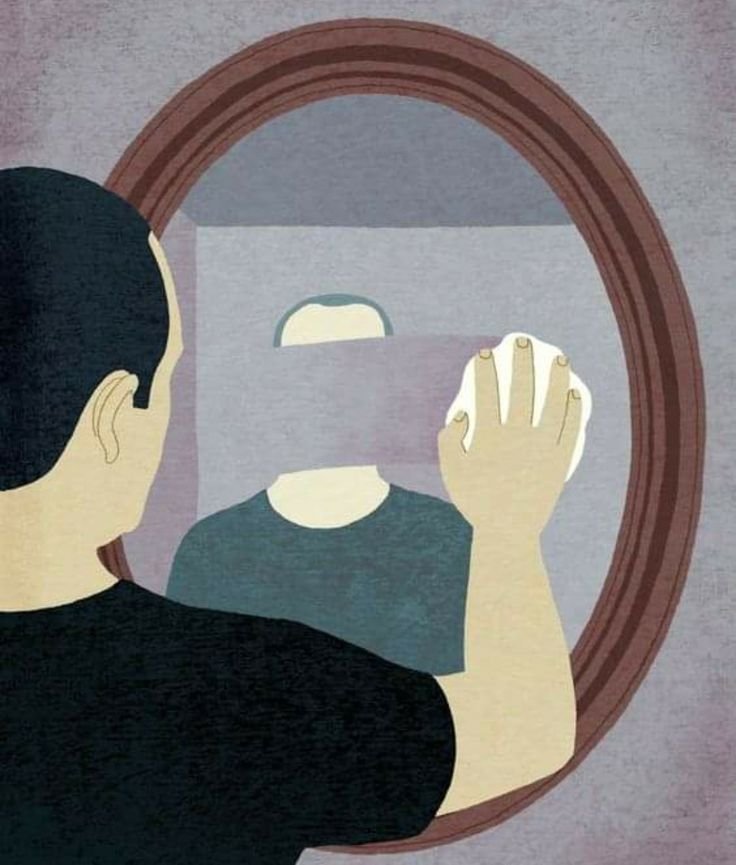
A critical parent, a gaslighting partner, and a toxic boss can look nothing alike on the surface, yet the silent damage they cause follows an almost identical pattern. That’s not a coincidence — it’s because all three relationships combine two ingredients: power over you, and plausible deniability for them.
In each case, the silent damage tends to move through the same stages. First, small negative moments get explained away — by you, not them — as tiredness, stress, a bad day, or just “their personality.” Second, you begin adjusting your own behavior preemptively, editing what you say or do before the other person even reacts, which is the exact mechanism behind walking on eggshells. Third, your own perception starts to feel unreliable, because you’ve been told often enough that your reaction is the problem rather than their behavior. By the time the silent damage reaches this third stage, most people have stopped describing what’s happening to them as a problem with the other person at all — they describe it as a problem with themselves.
This is why the silent damage caused by a parent in childhood so often makes a person more vulnerable to a gaslighting partner or a toxic boss in adulthood — not because of some flaw, but because the nervous system has already been trained to treat inconsistency and conditional approval as normal. Recognizing that the silent damage follows a pattern — rather than being a series of unrelated, personal failures — is one of the most powerful things you can do to start interrupting it.
6. 7 Signs Someone Is Quietly Destroying Your Mental Health
Because silent damage rarely announces itself, it helps to have a concrete checklist rather than a vague feeling. If several of these apply to a parent, partner, or boss in your life, the silent damage may already be well underway — and naming it is the first act of resistance.
■ SIGNS OF SILENT DAMAGE TO YOUR MENTAL HEALTH
► You rehearse conversations in your head before having them, checking their mood before deciding what to say
► You apologize frequently for things that, on reflection, were not your fault
► You’ve started describing a pattern of hurtful behavior as “that’s just how they are”
► Compliments or achievements from this person always come with a “but” or an immediate redirection to the next expectation
► You feel measurable relief — a lighter chest, easier breathing — the moment you’re away from them
► You’ve caught yourself questioning your own memory of events after talking to them
► You overperform, over-function, or over-explain around them, hoping that being “good enough” will finally make the tension stop
None of these signs, alone, proves silent damage is happening. A single bad day, a single sharp comment, a single stressful deadline doesn’t make someone toxic. What matters is the pattern — how consistently these signs show up, and whether the relationship as a whole leaves you smaller, more anxious, and less sure of yourself over time. Silent damage to your mental health is defined by its repetition, not by any single incident you could point to and call proof.
7. Step-by-Step: How to Recharge and Regain Control
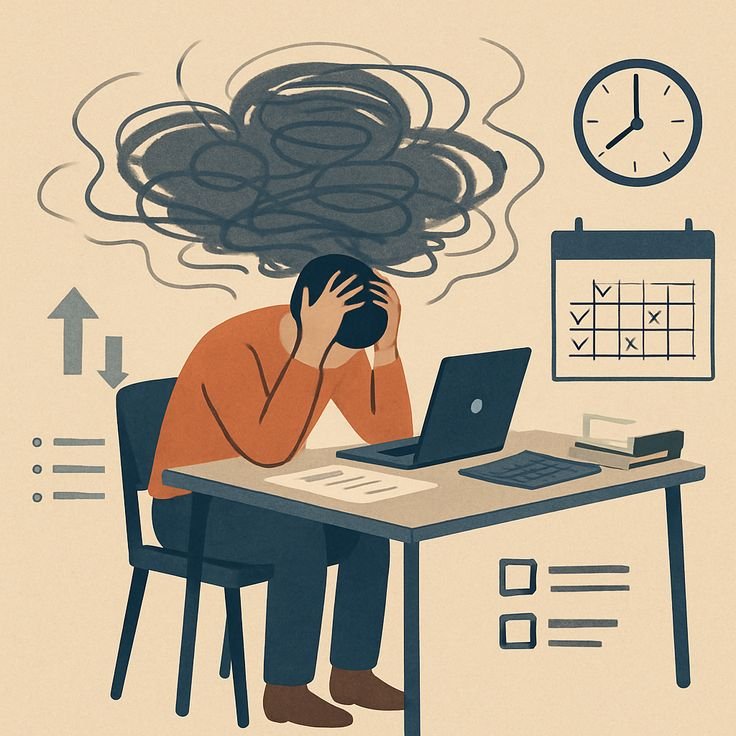
Undoing silent damage to your mental health is not about confronting the person who caused it in one dramatic conversation, and it’s rarely something willpower alone can fix. It’s a gradual, deliberate process of rebuilding trust in your own perception — the exact thing the silent damage was designed to erode.
Step 1: Name it in writing. Silent damage thrives on vagueness. Write down specific incidents — what was said, how you felt, what you did afterward — rather than a general sense that “things aren’t great.” A written record is much harder to talk yourself out of than a feeling.
Step 2: Separate your identity from the criticism. If a parent, partner, or boss has spent years calling you “too sensitive,” “too much,” or “never good enough,” those labels have likely become part of how you talk to yourself. Start treating them as data about the person who said them, not as facts about you.
Step 3: Rebuild one boundary at a time. You don’t need to overhaul the entire relationship overnight. Pick one specific behavior — being interrupted, being blamed for someone else’s mood, being expected to respond to messages after hours — and hold a boundary around that one thing consistently.
Step 4: Rebuild a life outside the relationship causing the silent damage. Friendships, hobbies, and support outside a critical parent, a controlling partner, or a toxic workplace act as a reality check — other people’s reactions to you become evidence against the story the silent damage has been telling you.
Step 5: Get outside support before you decide anything permanent. Whether it’s a therapist, a support group, a trusted friend, or a workplace HR resource, silent damage is far easier to see clearly with someone who isn’t inside the dynamic with you. You don’t have to have all the answers before you reach out — recognizing that the silent damage is real is already enough of a reason to ask for support.
8. When and How to Reach Out for Help
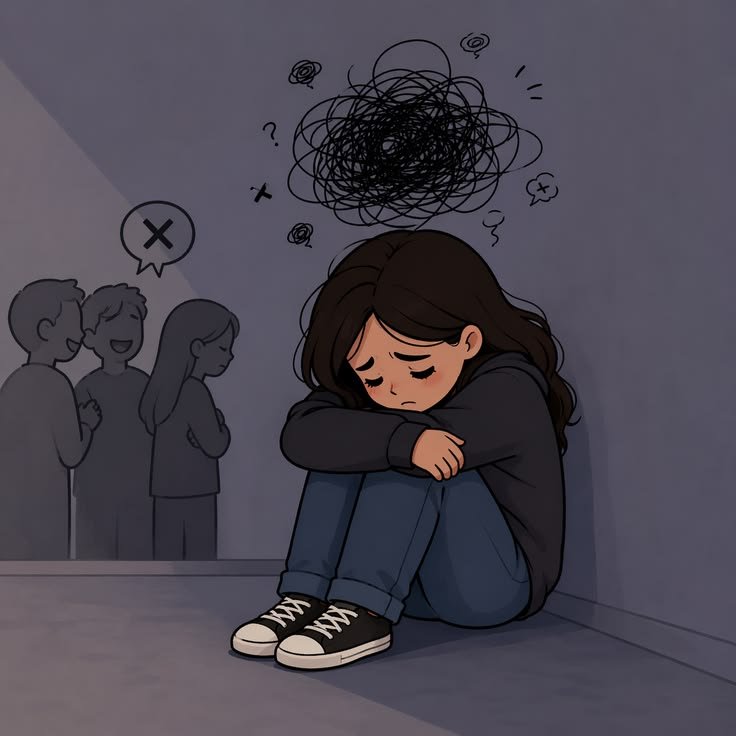
One of the most damaging effects of silent damage is that it can make asking for help feel exaggerated or unnecessary — “it’s not that serious,” “other people have it worse,” “I should be able to handle this myself.” Those are the exact same minimizing thoughts the silent damage has been training you to have. You don’t need to hit a crisis point to justify reaching out.
A therapist experienced in family dynamics, relationship abuse, or workplace trauma can help you separate what actually happened from the story the silent damage has attached to it — often the single most useful thing another person can do for you in this situation. If the silent damage is coming from a partner and includes control, threats, isolation from friends and family, or fear for your physical safety, that has moved beyond emotional silent damage into territory where organizations like the National Domestic Violence Hotline can help you think through options safely.
If the silent damage is coming from a boss, documenting specific incidents, understanding your company’s HR and reporting channels, and — where possible — building a support network of trusted colleagues can help you regain a sense of ground under your feet, even before you decide whether to stay, transfer, or leave. Whatever the source, silent damage to your mental health is real damage, and choosing to address it early is not an overreaction — it’s prevention.
This article is for informational purposes and isn’t a substitute for professional mental health care. If you’re personally dealing with the effects of a critical parent, a controlling partner, or a toxic boss, a licensed therapist or counselor can offer support tailored to your specific situation.
9. Frequently Asked Questions About Silent Damage to Mental Health
❓ What is “silent damage” to mental health?
Silent damage to mental health refers to chronic, low-grade psychological harm — caused by a parent, partner, boss, or other person with power over you — that builds up slowly through repeated small incidents rather than one dramatic event. It includes patterns like chronic criticism, emotional neglect, gaslighting, walking on eggshells, and toxic leadership. Because no single incident looks severe on its own, silent damage is often normalized or explained away for years, even as it measurably increases the risk of anxiety, depression, and burnout.
❓ How do I know if a parent caused silent damage to my mental health growing up?
Common signs of silent damage from a critical or emotionally neglectful parent include chronic self-doubt, difficulty identifying your own feelings, a tendency to over-apologize, a fear of disappointing authority figures, and praise that never feels like enough was ever achieved. Research on childhood emotional neglect links these patterns to a measurably increased risk of anxiety and depression in adolescence and adulthood, even when the neglect involved no physical harm at all — because emotional silent damage doesn’t require a single dramatic event to leave lasting effects.
❓ What’s the connection between gaslighting and silent damage in relationships?
Gaslighting is one of the primary mechanisms behind silent damage in romantic relationships. By consistently denying your version of events, a gaslighting partner slowly erodes your trust in your own memory and judgment, leaving you dependent on them to define what’s “real.” This creates the chronic hypervigilance known as walking on eggshells, and over time it’s linked to increased anxiety, depression, and — in more severe or prolonged cases — symptoms consistent with complex trauma.
❓ Can a toxic boss really damage your mental health, or is it just normal work stress?
Toxic bosses cause measurable, documented silent damage that goes well beyond ordinary work stress. Surveys show that roughly six in ten workers currently have a toxic boss, and nearly half report that the behavior is directly causing stress, burnout, or a decline in their mental health, with over half seeking therapy specifically because of it. Longer-term studies have also linked chronic exposure to toxic leadership with a significantly higher risk of serious cardiac events, showing that this kind of silent damage affects physical health as well as mental health.
❓ What’s the first step to recovering from silent damage to your mental health?
The first step is naming the pattern specifically, ideally in writing, rather than leaving it as a vague feeling that something is “off.” From there, recovery usually involves separating your identity from the criticism you’ve absorbed, rebuilding boundaries one at a time, strengthening relationships and activities outside the source of the silent damage, and bringing in outside support — a therapist, trusted friend, or relevant support service — before making any major decisions. Recovery from silent damage is gradual by design, because the damage itself was gradual.
You’re Allowed to Call It What It Is
Silent damage survives on doubt — your doubt about whether it’s “bad enough” to matter, whether you’re remembering it right, whether you’re allowed to be upset about something no one else seems to notice. You are allowed. A pattern doesn’t need to be dramatic to be real, and it doesn’t need anyone else’s permission to be taken seriously.
If a parent, a partner, or a boss has left you smaller than you used to be, that shrinking is information — not a character flaw. Naming the silent damage is not disloyalty, dramatics, or weakness. It’s the first honest step back toward the version of yourself that existed before you learned to walk on eggshells.
▪ RELATED MENTAL HEALTH ARTICLES
→ How to Recognize Gaslighting in a Relationship Before It Breaks You
→ 7 Signs of a Toxic Workplace Culture Most Employees Miss
→ Childhood Emotional Neglect: How It Shows Up Decades Later
→ How to Set Boundaries With Difficult Parents Without Guilt
→ Burnout Recovery: A Realistic Guide for People Who Can’t Just Quit
▤ SOURCES & FURTHER READING
▸ The Harris Poll — Toxic Bosses Survey (2026), nationally representative U.S. worker survey
▸ University of Calgary toxic leadership research, cited via The Conversation
▸ Forbes Coaches Council — organizational psychology research on abusive supervision and resource loss
▸ HRBrain — Swedish cohort study on toxic leadership and cardiovascular risk
▸ Frontiers in Psychiatry — longitudinal birth-cohort study on childhood emotional neglect and adolescent depression
▸ Journal of Family Violence — study on parental emotional neglect and adolescent anxiety symptoms
▸ PMC / National Institutes of Health — long-term outcomes of childhood abuse and neglect on adult emotional processing
▸ Boundary Playbook, Psychology Today, and licensed-therapist resources on gaslighting, walking on eggshells, and DARVO
▸ National Domestic Violence Hotline — guidance on recognizing and responding to controlling relationship behavior