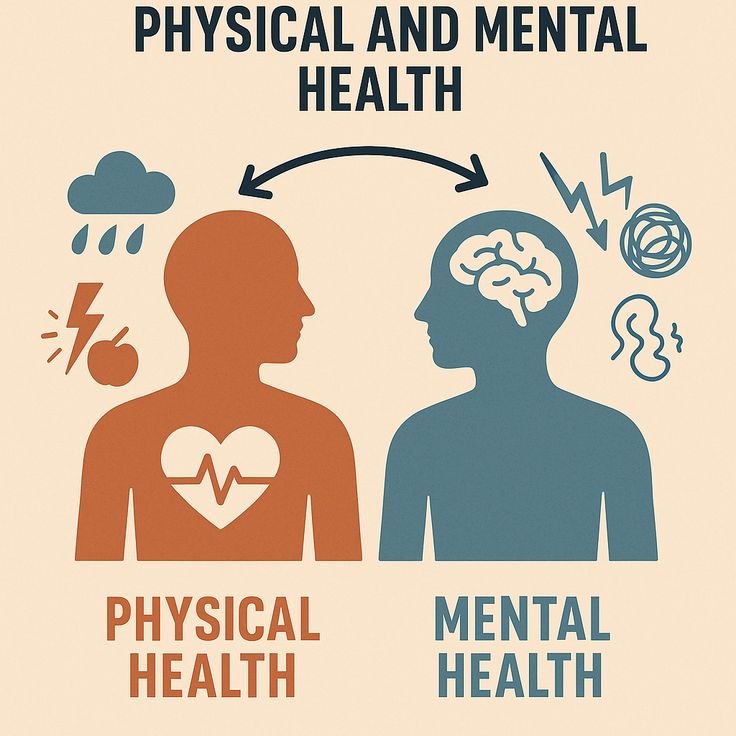
We take a sick day for a fever without a second thought, but a panic attack, a depressive episode, or three sleepless nights of anxious spiraling still get pushed through with coffee and willpower. This is exactly backwards. Mental health is just as important as physical health because they are not, biologically speaking, two separate systems — they are one system, connected by the same nervous system, the same hormones, and the same body. This is the deep-research case for why mental health is just as important as physical health, and what changes once you actually start treating it that way.
| Updated: September 2026 | 20 Min Read | Mental Health · Wellbeing · Science | RESEARCH-BACKED GUIDE |

Mental health is just as important as physical health because the two aren’t actually separate — the same brain, the same nervous system, and the same bloodstream carry both. Treating one while ignoring the other has never made biological sense, even though our habits and healthcare systems have long treated them as unrelated.
For most of modern medical history, the mind and body have been treated as two different departments — one for broken bones, infections, and blood pressure, the other, if it was addressed at all, whispered about and quietly referred elsewhere. That separation was always a convenient fiction. Mental health is just as important as physical health for a simple reason: your brain is a physical organ, wired directly into every system that keeps you alive, and what happens in your mind doesn’t stay contained there.
The scale of the problem makes the point on its own. According to the most recent Global Burden of Disease estimates, roughly 1.17 billion people worldwide were living with a mental disorder in 2023, and mental disorders are now the single leading cause of years lived with disability globally — ahead of every other category of illness, physical or mental. Depression and anxiety disorders alone affect hundreds of millions of people, and the World Health Organization estimates that suicide claims roughly 727,000 lives every year. These aren’t soft statistics about mood. They are hard measures of disability, mortality, and lost years of functioning life — the exact same units used to measure the burden of cancer, heart disease, and diabetes.
This article makes the case, section by section and backed by current research, for why mental health is just as important as physical health — not as a slogan, but as a description of how the body actually works. Once you see the mechanisms connecting the two, “take care of your mental health too” stops sounding like a platitude and starts sounding like basic biology.
☰ TABLE OF CONTENTS
- The Numbers: Why Mental Health Is Just as Important as Physical Health, By the Data
- The Mind-Body Connection: How Chronic Stress Becomes Physical Illness
- Why Mental Health Is Just as Important as Physical Health at Work and at Home
- The Hidden Cost of Isolation: What Working From Home Reveals
- Exercise and Nature: The Physical Habits That Protect Mental Health
- Mindfulness and Meditation: What the Science Actually Shows
- Why “Just Talk to Someone” Isn’t Enough — and What Real Safe Spaces Look Like
- 5 Therapy Misconceptions That Keep People From Getting Help
- How to Start Treating Your Mental Health Like It’s Just as Important — Because It Is
- Frequently Asked Questions
1. The Numbers: Why Mental Health Is Just as Important as Physical Health, By the Data
If you want objective proof that mental health is just as important as physical health, start with how public health researchers actually measure disease burden. The Global Burden of Disease project — the same framework used to compare cancer, heart disease, and infectious illness — measures every condition in disability-adjusted life years (DALYs), a combined score of years lost to early death and years lived with disability. In the most recent 2023 analysis, mental disorders accounted for 17.3% of all disability-adjusted years lived with disability worldwide, making them the single largest driver of disability on the planet — more than cardiovascular disease, more than cancer, more than any other category.
Among adolescents and young adults specifically, the picture is even starker: global data shows nearly 279 million young people were living with a mental disorder in 2021, with sharp increases in depression and anxiety disorders in just the years since 2019. This is precisely the age range where physical health habits — diet, exercise, sleep — get enormous cultural attention, while mental health, despite carrying a comparable or greater burden, still gets treated as secondary.
The economic case tells the same story. Workplace research alone estimates billions of dollars lost annually to stress-related mental health decline, absenteeism, and turnover — and that’s before counting healthcare costs. When the data measuring disability, mortality, and economic cost consistently puts mental health on par with — or ahead of — major physical illnesses, “mental health is just as important as physical health” stops being an opinion and becomes a description of the evidence.
| 1.17B People living with a mental disorder worldwide (2023) |
#1 Leading global cause of years lived with disability |
60% Higher cardiac risk linked to chronic psychological stress |
1.5x More effective: exercise vs. medication for mild-moderate symptoms |
~22% Of U.S. adults received mental health treatment in a recent year |
2. The Mind-Body Connection: How Chronic Stress Becomes Physical Illness

The clearest scientific proof that mental health is just as important as physical health is the mind-body connection itself — a well-documented biological pathway, not a wellness metaphor. When the brain perceives chronic psychological stress, it activates the hypothalamic-pituitary-adrenal (HPA) axis, flooding the body with cortisol and other stress hormones. In short bursts, this response is protective. Sustained for weeks, months, or years — the exact pattern seen in chronic anxiety, unresolved depression, or ongoing emotional strain — it becomes corrosive.
Researchers studying this pathway have found that chronic psychological stress drives measurable increases in systemic inflammation, disrupts immune function, and independently raises the risk of cardiovascular disease — a risk factor that operates separately from smoking, diet, or cholesterol. One long-running study of thousands of employees found that those working under chronic psychological stress had a significantly elevated risk of heart attack, stroke, and other serious cardiac events compared to those without that stress. Other research links chronic psychological stress to disrupted blood pressure regulation, poorer wound healing, weaker antibody responses to vaccines, and increased vulnerability to infectious illness — because mental health is just as important as physical health at the level of the immune system itself.
This is why treating mental health as optional or secondary doesn’t just leave psychological suffering unaddressed — it leaves a measurable physical health risk unaddressed too. A person managing chronic stress or an unresolved mental health condition isn’t just “in a bad mood.” Their cardiovascular system, their immune system, and their metabolic health are all being shaped by it in real time. There is no version of “just physical health” that exists independently of what’s happening in the mind — which is the entire reason mental health is just as important as physical health, not a complementary nice-to-have alongside it.
“Chronic stress and its correlates affect a variety of clinically meaningful immune parameters, including wound healing, antibody responses to vaccines, susceptibility to infectious illnesses… increasing risk of cardiovascular disease, diabetes, certain cancers, and autoimmune disease.”
— Summary of decades of psychoneuroimmunology research, Springer Nature, on the documented physical pathway from chronic stress to disease — the clearest evidence that mental health is just as important as physical health
3. Why Mental Health Is Just as Important as Physical Health at Work and at Home
Nowhere is the case for why mental health is just as important as physical health more visible than at work, where the two are almost impossible to separate. Chronic workplace stress doesn’t stay confined to productivity metrics — it follows people home, into their sleep, their relationships, and their long-term health. Surveys of American workers consistently find that a large share currently deal with high-stress or toxic work environments, and a substantial portion report that this stress is directly causing burnout or a decline in their mental health, with many turning to therapy specifically to cope.
The physical toll is not hypothetical. Beyond the cardiac risk already noted, chronic occupational stress is associated with weakened immune function, disrupted sleep architecture, and higher rates of metabolic conditions like insulin resistance — outcomes that would immediately be treated as serious physical health problems if their cause were a virus rather than a boss. Organizations that treat mental health as an HR afterthought, rather than as a core part of employee health, are — knowingly or not — accepting a physical health cost as well as a psychological one.
The same logic holds at home. Family conflict, financial stress, caregiving strain, and relationship difficulty are all forms of chronic psychological load, and they produce the same HPA-axis and inflammatory response as workplace stress. Mental health is just as important as physical health in these everyday settings precisely because the body doesn’t distinguish between a stressor from a boss, a stressor from a relationship, or a stressor from an illness — it responds to all of them through the same physiological system.
4. The Hidden Cost of Isolation: What Working From Home Reveals
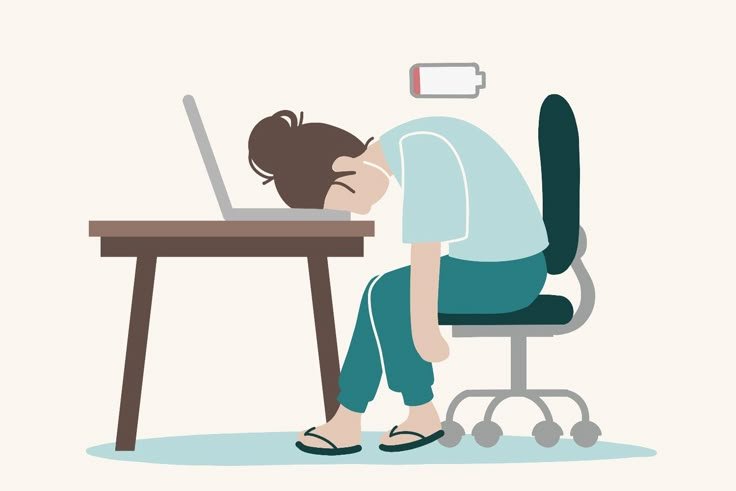
Remote work is a striking modern case study in why mental health is just as important as physical health — a change that looked purely logistical turned out to carry a measurable psychological cost.
One of the clearest recent illustrations of why mental health is just as important as physical health comes from research on remote work. A large 2026 study published in the journal Science, analyzing survey data from nearly 590,000 American workers between 2011 and 2024, found that remote work substantially increases social isolation and worsens mental well-being — particularly for people who live alone. The researchers estimated that the rise of remote work explains roughly a third of the overall increase in isolation and psychological distress measured over the study period.
This matters for physical health too, not just mood. Loneliness and social isolation are independently linked, in large meta-analyses, to worse cardiovascular outcomes, higher rates of depression and anxiety, and increased mortality risk — serious enough that the U.S. Surgeon General formally declared loneliness a public health priority. The workplace, whatever its frustrations, has historically functioned as a source of built-in social contact; removing that structure without replacing it has real consequences, even for people who say they prefer working remotely.
The lesson here isn’t that remote work is bad — it’s that a change with obvious physical-world benefits (no commute, more flexibility) can still carry a hidden mental health cost that takes years of data to even notice. That’s exactly the blind spot that exists when mental health is treated as secondary: the harm accumulates quietly, precisely because mental health is just as important as physical health but rarely tracked with the same rigor.
5. Exercise and Nature: The Physical Habits That Protect Mental Health

If chronic stress shows how the mind damages the body, exercise shows the relationship running the other way — proof that mental health is just as important as physical health because improving one measurably improves the other. A major 2026 umbrella review of research spanning tens of thousands of participants aged 10 to 90 found that exercise produces a medium-sized reduction in depression symptoms and a small-to-medium reduction in anxiety symptoms, with benefits strong enough to match or outperform standard medication and talk therapy in many cases.
A separate large-scale analysis of nearly 100 meta-reviews, covering more than 1,000 randomized controlled trials and over 128,000 participants, concluded that physical activity was roughly 1.5 times more effective than medication or cognitive behavioral therapy at reducing mild-to-moderate depression, stress, and anxiety symptoms — with benefits observed across healthy adults, pregnant and postpartum women, and people managing chronic physical conditions. Aerobic exercise in particular, whether running, swimming, cycling, or brisk walking outdoors, was linked to the largest improvements in mood and depressive symptoms.
This works both physiologically and psychologically: exercise releases endorphins, reduces circulating stress hormones, improves sleep quality, and gives the mind a structured break from rumination — the exact mechanisms that chronic stress disrupts. The fact that a physical habit like exercise is one of the single most effective treatments for mental health conditions is, on its own, powerful evidence that mental health is just as important as physical health — because in the body, they were never really two separate things to begin with.
6. Mindfulness and Meditation: What the Science Actually Shows
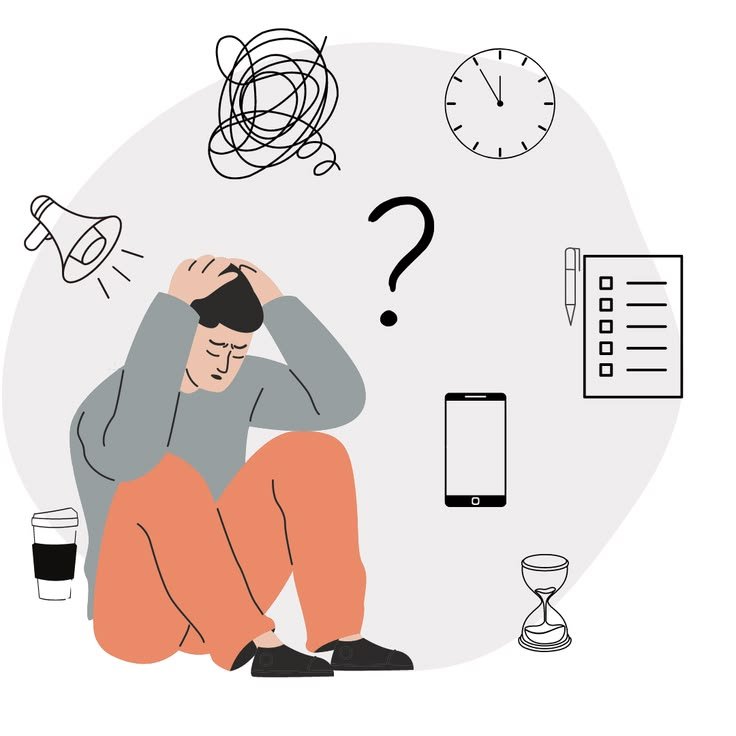
Controlled meditation research has repeatedly measured the same physical marker — cortisol, the body’s primary stress hormone — dropping alongside psychological stress, reinforcing why mental health is just as important as physical health at the biochemical level.
Mindfulness meditation offers some of the most direct physiological evidence for why mental health is just as important as physical health, because researchers can measure its effects with a blood test, not just a questionnaire. A systematic review of 45 randomized controlled trials found strong evidence that mindfulness meditation reduces serum cortisol and C-reactive protein, a key marker of systemic inflammation — meaning a purely mental practice produces a measurable change in blood chemistry.
One notable controlled study, the Shamatha Project at UC Davis, tracked volunteers through an intensive three-month meditation retreat and found a direct relationship between resting cortisol levels and mindfulness scores — the first study of its kind to demonstrate that connection so clearly. Other randomized trials, including studies on university and healthcare workers under high occupational stress, have found that structured mindfulness programs meaningfully reduce long-term stress biomarkers such as hair cortisol, alongside self-reported reductions in perceived stress and anxiety.
None of this means meditation is a cure-all, and researchers are careful to note that effect sizes vary across studies and populations. But the core finding holds up across a wide body of research: deliberately training attention and reducing psychological stress produces measurable, physical changes in stress hormones and inflammatory markers. That’s the mind-body connection working in the direction of healing rather than harm — and it’s further proof that mental health is just as important as physical health, because the same biochemistry underlies both.
7. Why “Just Talk to Someone” Isn’t Enough — and What Real Safe Spaces Look Like
A common, well-meaning response to mental health struggles is “just talk to someone” — and while connection matters enormously, this advice can quietly minimize the seriousness of what’s happening, in a way we’d never accept for a physical injury. No one tells a person with a suspected broken bone to “just talk to a friend about it.” Mental health is just as important as physical health, which means it sometimes needs the same thing physical health needs: a structured, safe, professional space designed specifically for healing, not just a sympathetic ear.
A genuine emotional safe space — whether that’s a therapist’s office, a support group, or a trusted structured relationship — provides something a casual conversation usually can’t: confidentiality, professional training in recognizing risk, and a space with no reciprocal emotional labor expected in return. Family and friends offer something real and valuable, but they aren’t a substitute for professional support any more than a well-meaning friend’s advice is a substitute for a doctor’s diagnosis when something is physically wrong.
This is where the “mental health is just as important as physical health” principle becomes practical rather than abstract: it means normalizing structured mental health support with the same seriousness as an annual physical, rather than treating it as a last resort reserved only for crisis. Building — and actually using — a real safe space before a crisis hits is one of the clearest ways to put “mental health is just as important as physical health” into practice rather than just believing it in theory.
8. 5 Therapy Misconceptions That Keep People From Getting Help
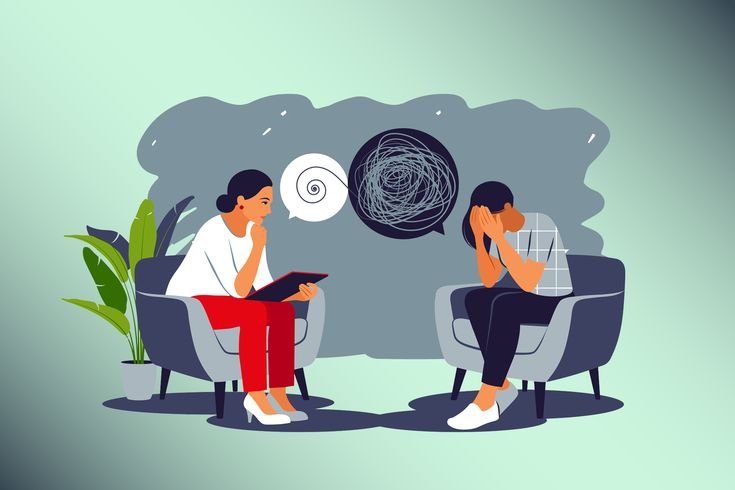
If mental health is just as important as physical health, why do so many people avoid the mental health equivalent of a check-up? Research on therapy stigma consistently points to a handful of persistent myths — and debunking them is a practical part of taking mental health as seriously as physical health.
■ 5 THERAPY MYTHS, DEBUNKED BY RESEARCH
► Myth: Therapy is only for severe mental illness. Reality: Research shows therapy meaningfully helps with everyday stress, grief, and relationship strain, not only diagnosable disorders — proof that mental health is just as important as physical health at every level of severity, not just crisis.
► Myth: Needing therapy means something is “wrong” with you. Reality: Mental health professionals describe this as one of the most damaging misconceptions in the field — the equivalent of believing physical therapy means something is wrong with your character.
► Myth: Talking to friends is just as effective. Reality: Support from loved ones matters, but a trained therapist brings evidence-based techniques and professional objectivity that friendships, however caring, are not designed to provide.
► Myth: Therapy means committing to it for life. Reality: Good therapy is designed to build skills you eventually use independently — most people attend for a defined period tied to specific goals, not indefinitely.
► Myth: All the healing happens in the session itself. Reality: Real change relies heavily on applying insights between sessions — much like physical rehabilitation depends on exercises done outside the clinic, not just the appointment itself.
More than one in five U.S. adults received mental health treatment in a recent year, and that share has been steadily rising — yet surveys still find that stigma and shame remain one of the top reported barriers to seeking care, second only to cost. Every one of these myths quietly implies that mental health matters less than physical health. Once you hold them up against the actual research, that implication doesn’t survive.
9. How to Start Treating Your Mental Health Like It’s Just as Important — Because It Is
Believing that mental health is just as important as physical health only matters if it changes what you actually do. A few concrete, research-supported habits make that shift real rather than aspirational.
Treat early symptoms as early warning signs, not weakness. Persistent sleep disruption, appetite changes, or a loss of interest in things you usually enjoy are as legitimate a signal as a persistent cough — worth noticing and addressing before they become severe.
Use exercise as a first-line tool, not an afterthought. Given the research showing physical activity can match or outperform medication for mild-to-moderate symptoms, movement deserves the same priority as any other mental health intervention — not just a vague “you should exercise more” suggestion.
Build in deliberate rest from stress, not just from work. Mindfulness and structured downtime aren’t indulgent extras — the cortisol research shows they produce measurable physiological recovery, the same category of benefit as sleep or nutrition.
Schedule mental health care proactively, not reactively. Just as an annual physical catches problems early, periodic check-ins with a therapist or counselor — even without a crisis — catch patterns before they compound.
Push back on language that ranks the two. Phrases like “it’s all in your head” or “just get over it” treat mental health as less real than physical health. Correcting that language, in yourself and around you, is a small but genuine way of living out the fact that mental health is just as important as physical health.
10. Frequently Asked Questions: Why Mental Health Is Just as Important as Physical Health
❓ Why is mental health just as important as physical health?
Mental health is just as important as physical health because the two are governed by the same biological systems, not separate ones. Chronic psychological stress activates the same hormonal and immune pathways implicated in cardiovascular disease, weakened immunity, and metabolic dysfunction. Global health data measuring both categories in the same units — disability-adjusted life years — consistently shows mental disorders as the leading cause of disability worldwide, ahead of most physical illness categories. In short, poor mental health produces measurable physical health consequences, and poor physical health produces measurable mental health consequences, making the two inseparable in practice.
❓ Can poor mental health actually cause physical illness?
Yes. Chronic stress and unresolved mental health conditions trigger sustained activation of the hypothalamic-pituitary-adrenal (HPA) axis, elevating cortisol and driving systemic inflammation. Research links this pathway to a significantly increased risk of cardiovascular disease — including one study finding a 60% higher rate of serious cardiac events among people under chronic psychological stress — along with weakened immune response, poorer wound healing, and higher susceptibility to infection. This is one of the clearest reasons mental health is just as important as physical health: the harm doesn’t stay confined to mood.
❓ Does exercise really help mental health as much as research suggests?
Yes, and the evidence base is unusually strong. A large-scale analysis of nearly 100 meta-reviews covering more than 1,000 randomized controlled trials found physical activity was roughly 1.5 times more effective than medication or cognitive behavioral therapy at reducing mild-to-moderate depression, anxiety, and stress. Aerobic exercise showed the strongest effects on mood and depressive symptoms specifically. This doesn’t mean exercise replaces professional treatment for more severe conditions, but it does mean movement is a legitimate, evidence-based mental health intervention — not just a general wellness tip.
❓ Is working from home bad for mental health?
It can be, particularly for people who live alone. A large 2026 study published in the journal Science, analyzing data from nearly 590,000 American workers, found remote work substantially increases social isolation and worsens mental well-being, and estimated remote work explains roughly a third of the recent rise in isolation and psychological distress. Since loneliness is independently linked to worse cardiovascular outcomes and higher mortality risk, this is a case where a workplace change with clear physical-world convenience carried a real, measurable mental health cost.
❓ What’s the biggest misconception stopping people from treating mental health as seriously as physical health?
The most damaging misconception is that needing mental health support means something is fundamentally “wrong” with you, rather than being a normal part of managing a normal part of the body. Survey data shows stigma and shame remain among the top reported barriers to seeking mental health care, even as more than one in five U.S. adults now receive treatment in a given year. Reframing mental health care the way we already view a doctor’s visit or physical therapy — as maintenance and treatment for a part of the body, not a verdict on character — is central to actually living out the idea that mental health is just as important as physical health.
Your Mind Is Part of Your Body — Treat It Like One
There is no version of health that leaves the mind out of the equation. The same nervous system that regulates your heartbeat processes your grief. The same hormones that respond to a physical injury respond to a broken relationship or a toxic job. Mental health is just as important as physical health because, biologically, it was never a separate category to begin with — it’s the same body, doing the same work, under a different name.
Taking your mental health seriously — through movement, rest, honest conversation, and real professional support when you need it — isn’t a soft, secondary form of self-care. It’s the same basic maintenance you already give the rest of your body, applied to the part of it that does the thinking, the feeling, and the deciding for all the rest.
This article is for informational purposes and isn’t a substitute for professional medical or mental health advice. If you’re struggling, a doctor or licensed therapist can help you find support suited to your specific situation.
▪ RELATED MENTAL HEALTH ARTICLES
→ The Silent Damage: How Parents, Partners, and Bosses Can Slowly Destroy Your Mental Health
→ How Exercise Improves Mental Health: What the Research Actually Says
→ A Beginner’s Guide to Mindfulness Meditation and Stress Reduction
→ How to Find a Therapist Who Actually Fits You
→ Burnout Recovery: A Realistic Guide for People Who Can’t Just Quit
▤ SOURCES & FURTHER READING
▸ Institute for Health Metrics and Evaluation — Global Burden of Disease Study 2023, on mental disorders and disability
▸ World Health Organization — global suicide mortality estimates (2025)
▸ Frontiers in Psychiatry — Global Burden of Mental Disorders Among Adolescents and Young Adults, 1990–2021
▸ Springer Nature — The Impact of Everyday Stressors on the Immune System and Health
▸ PMC / National Institutes of Health — Stress-induced proinflammatory adaptations and cardiovascular disease research
▸ Science (2026) — Emanuel et al., “Home alone: Remote work, isolation, and mental health”
▸ ScienceDaily / global exercise-mental health umbrella review (2026); Medical News Today summary of 97 meta-reviews on exercise vs. medication
▸ UC Davis Shamatha Project; systematic reviews of mindfulness-based cortisol and CRP research
▸ Charlie Health, HuffPost, and Grow Therapy — research-based therapy myth-debunking resources