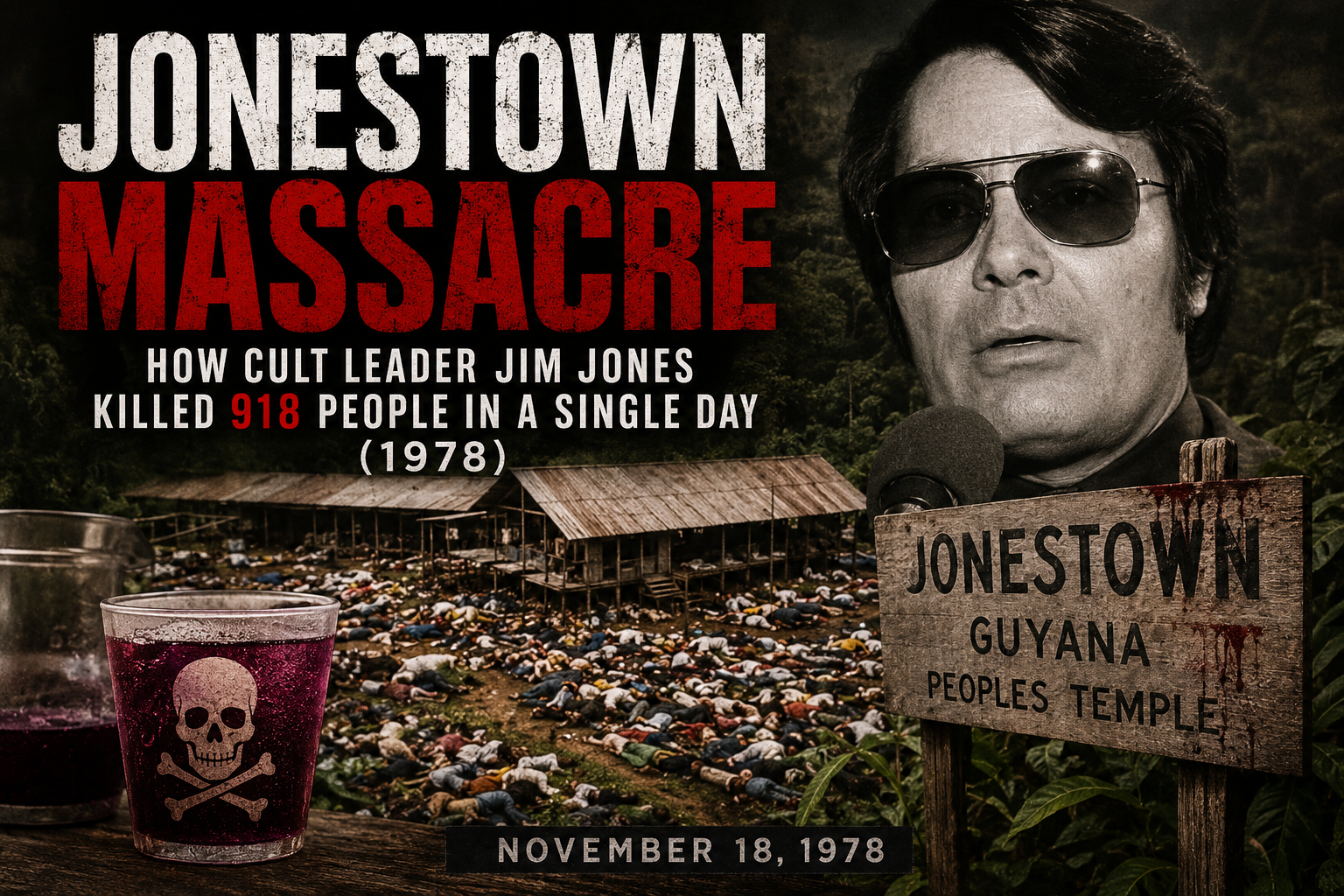
On November 18, 1978, in the remote jungle of Guyana, South America, 918 men, women, and children died in a single afternoon — the largest mass death of American civilians in history until 9/11. This is the complete story of Jim Jones, the Peoples Temple, and the tragedy that gave the world the phrase “drinking the Kool-Aid.”
📅 Updated: July 2026 | 🕒 18 Min Read | 🌍 Jonestown, Guyana · November 18, 1978 | ⚠ Disturbing Historical Content
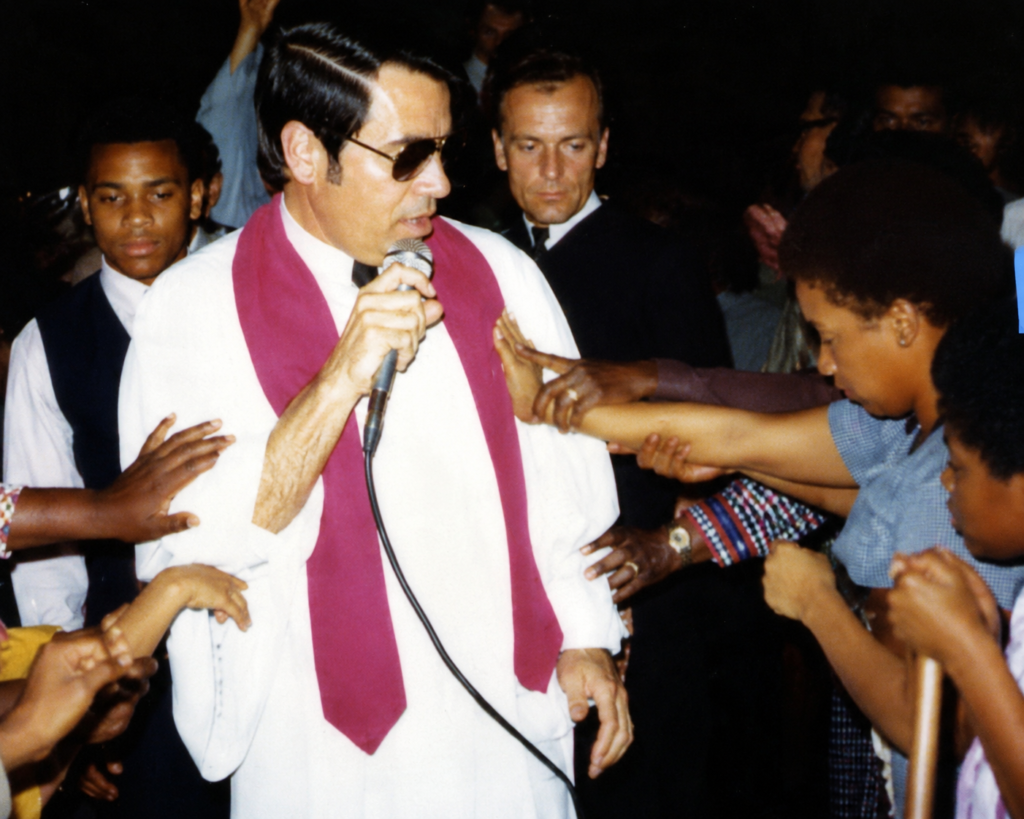
Jonestown, Guyana — November 18, 1978. On this date, 918 members of the Peoples Temple died in a single afternoon in the remote South American jungle. It was the largest mass death of American civilians in history until September 11, 2001.
The Jonestown Massacre remains one of the most shocking events in modern history. On November 18, 1978, cult leader Jim Jones ordered his 918 followers to drink cyanide-laced punch in the remote jungle of Guyana, South America. Among the dead were 304 children. It was the largest mass death of American civilians in history — a record that stood until September 11, 2001.
The phrase “drinking the Kool-Aid” — used today to mean blindly following someone — was born from this tragedy. But the reality is far darker than the phrase implies. The people who died were not stupid or weak. They were ordinary Americans — idealists, civil rights workers, parents — who were systematically manipulated, isolated, and ultimately murdered by a man once celebrated by some of the most powerful politicians in America.
This is the full, documented story of how it happened — and why the unanswered questions may be more disturbing than the tragedy itself.
☰ TABLE OF CONTENTS
- Who Was Jim Jones?
- The Peoples Temple: From Church to Cult
- How Jim Jones Controlled 10,000 People
- The Move to Guyana: Building Jonestown
- Life Inside Jonestown: A Prison in the Jungle
- Congressman Leo Ryan’s Fatal Visit
- November 18, 1978: The Final Hours
- The Death Tape: FBI Recording Q042
- 304 Dead Children: The Most Disturbing Fact
- Was It Suicide or Murder? The Evidence
- The CIA Connection
- The Aftermath: Full Timeline
- Why We Say “Drinking the Kool-Aid”
- Why Jonestown Still Matters Today
- Frequently Asked Questions
1. Who Was Jim Jones?
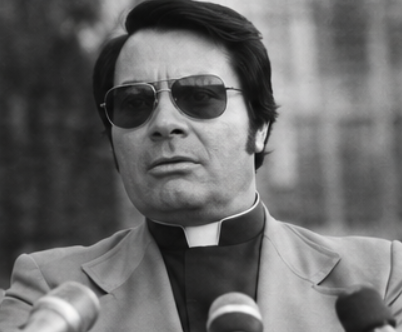
James Warren Jones was born on May 13, 1931, in Crete, Indiana. His childhood was marked by poverty and an obsessive fascination with religion and death. Neighbors recalled a strange, intense boy who conducted elaborate funerals for dead animals, memorized scripture, and desperately craved the attention of crowds.
As a young minister in Indianapolis in the 1950s, Jones distinguished himself by doing something almost no white pastor would do: he actively integrated his church. He adopted children of multiple races, calling his family a “rainbow family.” He ran soup kitchens, drug rehabilitation programs, and nursing homes. He was, by all outward appearances, exactly the progressive religious leader that civil rights-era America needed.
He was also, from very early, a fraud, a drug addict, and a manipulator of extraordinary skill. He faked faith healings by planting “sick” members in the audience. He claimed to be the reincarnation of Jesus Christ, Buddha, and Lenin simultaneously. He used the genuine social good he did as a shield against any scrutiny of what was happening inside his organization.
“I represent divine principle, total equality, a society where people own all things in common, where there is no rich or poor, where there are no races.”
— Jim Jones, speaking to his congregation in the 1960s
2. The Peoples Temple: From Church to Cult
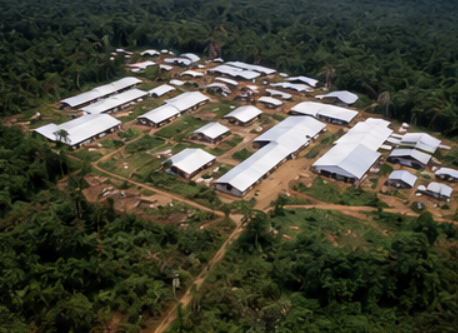
The Peoples Temple was formally founded in Indianapolis in 1955. By the 1960s, it had moved to northern California. At its peak, the Peoples Temple had over 10,000 members and was one of the most politically connected organizations in California.
Jones cultivated relationships with California’s most powerful politicians. Governor Jerry Brown attended Temple events. Mayor George Moscone credited Temple volunteers with his 1975 San Francisco mayoral victory. Senator Walter Mondale met Jones on his campaign plane. First Lady Rosalynn Carter posed for photographs with him. Jones was appointed chairman of the San Francisco Housing Authority Commission.
Approximately 70% of Peoples Temple members were Black, drawn by Jones’ genuine commitment to integration and civil rights. Many members donated their entire life savings — the Temple collected an estimated $26 million in total assets.
| 10,000+ Members at peak |
$26M Assets collected from members |
918 Died November 18, 1978 |
304 Children among the dead |
3. How Jim Jones Controlled 10,000 People
Understanding Jonestown requires understanding how cult control works — because the people who died were not stupid or weak. They were systematically subjected to techniques psychologists now classify as coercive control:
■ JIM JONES’ CONTROL TECHNIQUES — ALL DOCUMENTED
► Love bombing — overwhelming new members with warmth, community, and belonging
► Isolation — cutting members off from outside friends and family systematically
► Sleep deprivation — meetings regularly lasted until 2–3 in the morning
► Public confessions — members confessed sins in front of group, creating leverage Jones could use
► Physical beatings — administered publicly as “discipline” and expressions of authority
► Drug use — Jones heavily addicted to amphetamines, barbiturates, and Valium
► White Night drills — rehearsed mass suicide repeatedly, normalizing the concept of dying for the cause
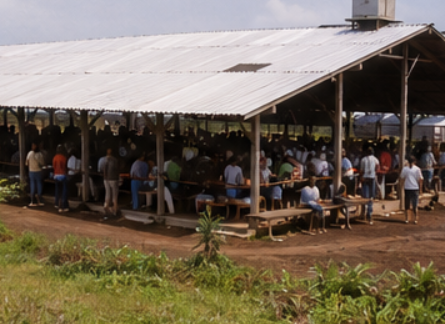
Jim Jones rehearsed mass suicide with his congregation many times before November 18, 1978. Members were woken in the middle of the night and given what they were told was poison. After drinking, Jones told them it was a loyalty test. After years of these drills, the actual poisoning initially felt like another rehearsal.
“We would rehearse this over and over. People would be crying, screaming. And then he would say it was a test. That we had passed. That we were ready to die for socialism.”
— Jonestown survivor Deborah Layton, Seductive Poison (1998)
4. The Move to Guyana: Building Jonestown
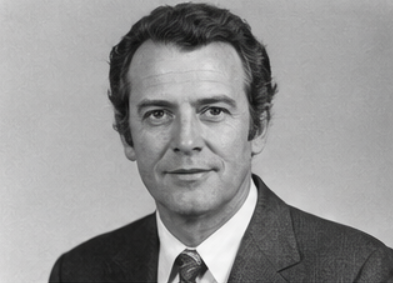
Jonestown was carved out of the remote jungle of northwestern Guyana — 150 miles from the nearest city, accessible only by small plane or days of overland travel. This isolation was entirely deliberate. Members who tried to escape had nowhere to go.
In 1977, New West magazine was preparing to publish an explosive investigation into abuse within the Peoples Temple — beatings, financial fraud, members held against their will. Jones learned about the article before publication. Within weeks, he had relocated the core of his congregation to a remote agricultural settlement in the northwestern jungle of Guyana that the Temple had been developing since 1974.
Jonestown — formally the Peoples Temple Agricultural Project — was presented as a socialist utopia: a community free from American racism, poverty, and materialism. In practice it was a prison. Members worked from dawn to dusk in tropical heat for minimal food. Jones broadcast his voice over loudspeakers throughout the settlement 24 hours a day. Armed guards prevented anyone from leaving. Jones confiscated members’ passports to make escape impossible.
Jones, by this point, was in serious physical and mental decline — taking enormous quantities of Valium, Quaaludes, and amphetamines simultaneously. His speech was often slurred. His sermons became paranoid rants about CIA plots and government invasion. Fear of outside enemies became his primary tool for maintaining control.
5. Life Inside Jonestown: A Prison in the Jungle

Approximately 1,000 people lived in Jonestown by 1978 in conditions that bore no resemblance to the promised paradise. Food was scarce and of poor quality — mainly rice and beans, with malnutrition widespread among children. Medical care was inadequate. Children were separated from parents and housed collectively.
Residents who broke rules were placed in a drug-induced stupor in a facility called the “Extended Care Unit.” Serious offenders were kept in an underground box as punishment. Beatings were administered publicly. Jones had absolute, unchecked authority over every aspect of daily life — what people ate, who they could speak to, when they slept.
■ LIFE IN JONESTOWN — DOCUMENTED CONDITIONS
► 1,000+ people in a jungle clearing in intense tropical heat
► Food rations: mainly rice and beans — malnutrition widespread
► Armed guards with crossbows and guns prevented anyone from leaving
► Jones’ voice broadcast over loudspeakers 24 hours a day
► “White Night” suicide rehearsals held without warning, middle of night
► Punishment: beatings, drug injections, underground isolation boxes
► All mail to and from outside world read and censored by Jones
► Passports confiscated — no escape possible
6. Congressman Leo Ryan’s Fatal Visit
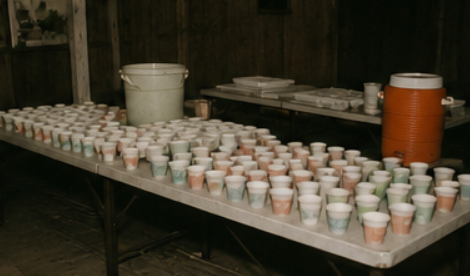
Congressman Leo Ryan (D-California) visited Jonestown on November 17–18, 1978, following complaints from constituents whose family members were held there against their will. His assassination at Port Kaituma airstrip made him the first — and still the only — sitting US Congressman ever killed in the line of duty.
By late 1978, concerned relatives of Jonestown residents had been sending increasingly alarming reports to US officials — letters describing people held against their will, children beaten, members drugged. Congressman Leo Ryan of California decided to investigate personally, against the advice of the State Department and the CIA.
Ryan arrived November 17, 1978, with journalists and concerned family members. Jones welcomed him with a staged celebration — music, dancing, well-rehearsed testimonials of happiness. But that evening, several Temple members quietly slipped notes to Ryan’s delegation begging to be taken out. Fourteen people asked to leave.
The next morning, as Ryan’s group boarded small planes at the Port Kaituma airstrip with the defectors, Temple gunmen arrived on a tractor and opened fire. Congressman Ryan was shot dead. Three journalists and one defector were also killed. Leo Ryan became the first and only sitting US Congressman ever killed in the line of duty.
7. November 18, 1978: The Final Hours
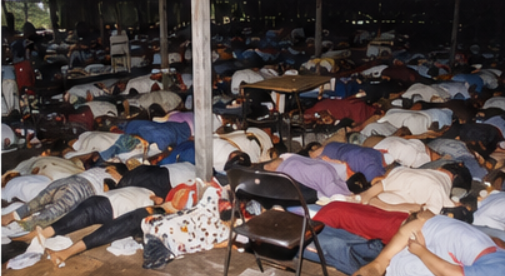
Word of the airstrip attack reached Jonestown within hours. Jones gathered the entire community — over 900 people — in the central pavilion. What followed was recorded on audio tape: 44 minutes and 39 seconds of the most disturbing audio in American history.
Jones announced that the time had come for “Revolutionary Suicide.” He told the community that the US government was coming — would torture them, take their children, destroy everything they had built. Death, he said, was the only dignified response.
Temple nurses brought out large vats of Flavor-Aid — not Kool-Aid, as is commonly misremembered — mixed with cyanide, Valium, Phenergan, and chloral hydrate. Syringes were used to squirt the mixture into the mouths of infants and young children first. Adults then drank from cups. Armed guards surrounded the pavilion. Those who hesitated were injected by force.
Death from cyanide poisoning is not peaceful — it causes violent convulsions, vomiting, and intense pain before unconsciousness. Within five minutes, the first people were dying. Within 45 minutes, 918 people were dead. Jim Jones was found with a gunshot wound to the head. He was 47 years old.
“Die with a degree of dignity. Lay down your life with dignity. Don’t lay down with tears and agony.”
— Jim Jones on FBI Death Tape Q042, November 18, 1978, as 918 people died around him
8. The Death Tape: FBI Recording Q042
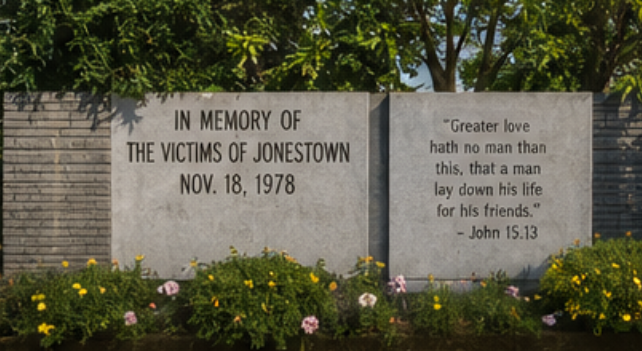
FBI tape Q042 — the “Death Tape” — is 44 minutes and 39 seconds of audio recorded in the Jonestown pavilion as 918 people died. It is available through the FBI Vault (vault.fbi.gov) and is considered one of the most disturbing audio recordings in American history.
FBI tape Q042 captures the voices of Jones and his followers as the mass death unfolds. The tape is disturbing not because of screaming — there is surprisingly little — but because of how ordinary some of the voices sound. The most remarkable moment comes from Temple nurse Christine Miller, who is heard on tape arguing with Jones — suggesting that members could flee to the Soviet Union instead of dying. Jones dismisses her.
Throughout the recording, sounds of children crying and vomiting can be heard in the background. Jones repeatedly says “Stop the hysterics. Stop the hysterics.” The tape ends with Jones saying “Mother, Mother, Mother, Mother, Mother” — his pet name for his followers — and then silence.
9. 304 Dead Children: The Most Disturbing Fact

Of the 918 people who died at Jonestown, 304 were children. This is the fact that most resists any attempt at contextualization. Children cannot consent to die. Children given cyanide by adults they trust are not committing suicide — they are being murdered.
The children were killed first — nurses used syringes to squirt the cyanide mixture directly into the mouths of infants, then children were given cups. The audio tape records the sounds of children crying and screaming before the adults were asked to drink.
For the parents in the pavilion, this created an impossible situation: their children had already been given the poison. Whether they drank themselves or not, their children were going to die. This is one of the most psychologically devastating aspects of the event and helps explain why more parents did not attempt to resist or escape.
10. Was It Suicide or Murder? The Evidence
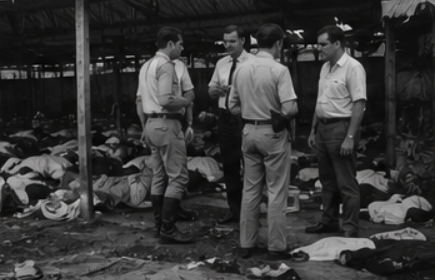
The aftermath of the Jonestown massacre, November 1978. US Army personnel arrived unusually quickly and embalmed over 900 bodies before proper autopsies could be conducted — a decision that permanently destroyed forensic evidence that might have established exactly how many people were murdered versus those who died voluntarily.
■ EVIDENCE OF MURDER — NOT VOLUNTARY SUICIDE
► 304 children cannot legally or morally consent to their own deaths
► Fresh needle injection marks found on shoulders of many adult bodies
► Armed guards surrounded the pavilion — escape was physically prevented
► Guyanese forensic pathologist Dr. Leslie Mootoo found forced injection evidence in 700+ bodies
► Some bodies found in positions inconsistent with voluntary drinking
► Survivors report seeing people who were resisting being injected by guards
► The Death Tape records protests, crying, and clear resistance from the crowd
► Christine Miller heard on tape openly arguing against the death plan
► US Army embalmed 900+ bodies BEFORE proper autopsies — key evidence destroyed
11. The CIA Connection: What We Know
The CIA’s connection to Jonestown has been a subject of serious historical investigation — not merely conspiracy theory. Several documented facts are not in dispute:
The US Army arrived at Jonestown unusually quickly and embalmed over 900 bodies before proper forensic autopsies could be conducted — permanently destroying evidence of how many people were murdered versus those who died voluntarily. Congressman Ryan’s aide Joseph Holsinger later testified before Congress that he had reason to believe the CIA had infiltrated the Peoples Temple and may have had foreknowledge. The State Department’s advance knowledge of conditions in Jonestown was, by their own later admission, more extensive than they disclosed to Ryan before his visit.
Whether this amounts to CIA involvement in the massacre itself, or simply the dysfunction of government bureaucracy, remains genuinely contested. What is not contested: the full truth of Jonestown has never been established in a court of law or a complete congressional investigation.
“I know there was CIA involvement in Jonestown. Too many things just don’t add up.”
— Joseph Holsinger, aide to Congressman Leo Ryan, testifying before Congress, 1980
12. The Jonestown Story — Full Timeline
1978
AM
PM
13. Why We Say “Drinking the Kool-Aid”
The phrase “drinking the Kool-Aid” — used today to mean blindly accepting a belief without question — was born from Jonestown. Two factual corrections are necessary: it was Flavor-Aid, not Kool-Aid (though both brands were found at the scene). And many of those who “drank” it were not making a free choice — they were being murdered, held at gunpoint, or injected by force.
The casual use of this phrase troubles survivors and researchers deeply. It implies that the victims were naive followers who chose death willingly — erasing the coercion, the armed guards, the syringes, and the 304 children who had absolutely no choice in the matter.
14. Why Jonestown Still Matters Today
Jonestown was not an aberration produced by uniquely vulnerable or stupid people. It was the logical endpoint of a process that is well understood — and that continues today. Charismatic leaders who demand unconditional loyalty. Organizations that isolate members from outside contact. Groups that frame all criticism as enemy attack. Communities built on genuine idealism that are hollowed out and weaponized by leaders who never believed in the values they claimed to represent.
The people who died in Jonestown were not foolish. They were not uniquely vulnerable. They were people who wanted a more equal, more just world and found a man who promised to build it with them. That is not stupidity. That is hope. And the story of how that hope was systematically destroyed is one of the most important stories of the 20th century.
We owe the 918 people who died in Jonestown — especially the 304 children who had no say in any of it — more than a dismissive phrase about blind obedience. We owe them the full truth.
15. Frequently Asked Questions About the Jonestown Massacre
❓ How many people died in the Jonestown Massacre?
918 people died at Jonestown on November 18, 1978, including 304 children. An additional 5 people — including Congressman Leo Ryan and 3 journalists — were killed at the Port Kaituma airstrip. The total of 923 made it the largest mass death of American civilians in history until September 11, 2001.
❓ Was Jonestown a suicide or a murder?
The evidence strongly suggests it was primarily murder rather than voluntary suicide. 304 children cannot consent to death. Guyanese forensic pathologist Dr. Leslie Mootoo found evidence of forced injections in over 700 bodies. Armed guards surrounded the pavilion preventing escape. The US Army’s decision to embalm bodies before proper autopsies permanently destroyed key forensic evidence. The official classification as “mass suicide” has been challenged by researchers, survivors, and victims’ families for decades.
❓ Was it Kool-Aid or Flavor-Aid at Jonestown?
It was primarily Flavor-Aid, not Kool-Aid — though both brands were found at the scene, which caused the misidentification. The poison mixture was Flavor-Aid mixed with cyanide, Valium, Phenergan, and chloral hydrate. The Kool-Aid brand stuck in popular memory, giving rise to the phrase “drinking the Kool-Aid.”
❓ Who was Congressman Leo Ryan and why was he killed?
Leo Ryan was a Democratic Congressman from California who traveled to Jonestown to investigate complaints from constituents whose family members were held there against their will. When he attempted to leave with 14 Temple defectors, Temple gunmen attacked his group at the Port Kaituma airstrip. Ryan was shot dead along with 3 journalists and one defector. He became the first — and still the only — sitting US Congressman ever killed in the line of duty.
❓ Were there any survivors of the Jonestown Massacre?
Approximately 80 people survived. Some were away from Jonestown that day — working in Georgetown, the Guyanese capital. Some hid in the jungle as the deaths occurred. A handful ran into the surrounding forest when the killing began. Their testimonies form the primary eyewitness record of what happened inside the pavilion.
❓ Where can I learn more about the Jonestown Massacre?
Deborah Layton’s Seductive Poison (1998) is the definitive survivor memoir. Tim Reiterman’s Raven (1982) is the most thorough journalistic account — Reiterman was wounded at the airstrip. Jeff Guinn’s The Road to Jonestown (2017) is the most recent comprehensive biography. The Death Tape (FBI Q042) is available at vault.fbi.gov. Stanley Nelson’s PBS documentary Jonestown: The Life and Death of Peoples Temple (2006) is highly recommended.
▪ RELATED DARK HISTORY ARTICLES
→ King Leopold II’s Congo Free State: The Forgotten Genocide
→ Project MKUltra: The CIA’s Secret Mind Control Program (1953–1973)
→ The Tulsa Race Massacre: America’s Buried Black Wall Street (1921)
→ The Tuskegee Syphilis Study: 40 Years of Deliberate Medical Neglect
→ Unit 731: Japan’s Secret Biological Warfare Program in China
▤ SOURCES & FURTHER READING
▸ Deborah Layton — Seductive Poison: A Jonestown Survivor’s Story (Anchor Books, 1998)
▸ Tim Reiterman — Raven: The Untold Story of the Rev. Jim Jones and His People (Dutton, 1982)
▸ Jeff Guinn — The Road to Jonestown: Jim Jones and Peoples Temple (Simon & Schuster, 2017)
▸ FBI Death Tape Q042 — vault.fbi.gov
▸ Alternative Considerations of Jonestown — San Diego State University (jonestown.sdsu.edu)
▸ US House of Representatives — The Assassination of Representative Leo J. Ryan (1979)
▸ Stanley Nelson — Jonestown: The Life and Death of Peoples Temple (PBS, 2006)