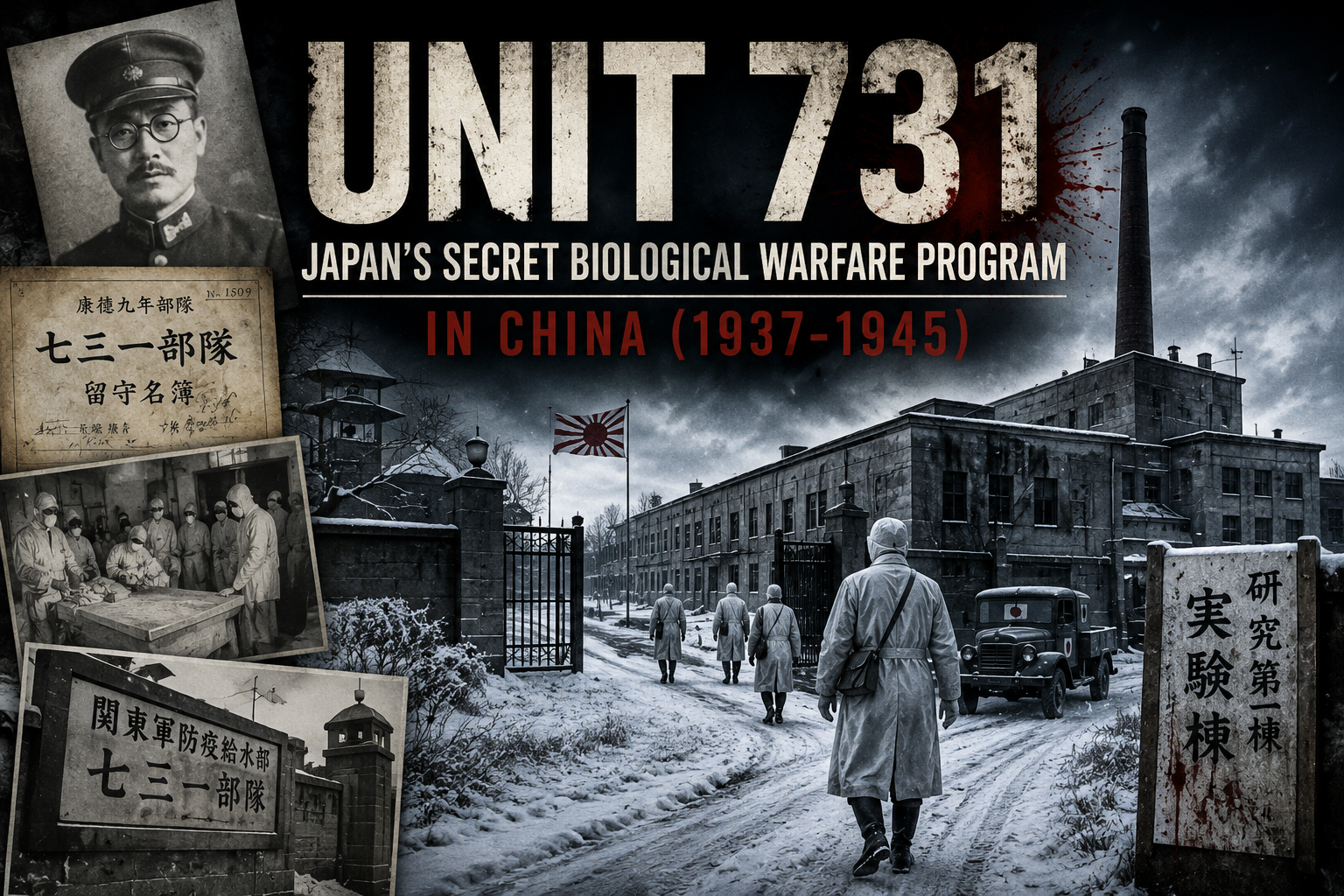
Deep in occupied Manchuria, the Imperial Japanese Army built a facility the size of a small city — and filled it with human beings who would never leave. They called their prisoners “maruta” — logs of wood. Over eight years, thousands of men, women, and children were infected with plague, cholera, and anthrax; subjected to vivisection without anesthesia; frozen alive; and exposed to poison gas. When it was over, the scientists responsible were never prosecuted. The United States gave them immunity in exchange for their data. This is the complete story of Unit 731 Japan’s biological warfare program.
| Updated: July 2026 | 22 Min Read | Manchuria, China · 1937–1945 | Extremely Disturbing Content |
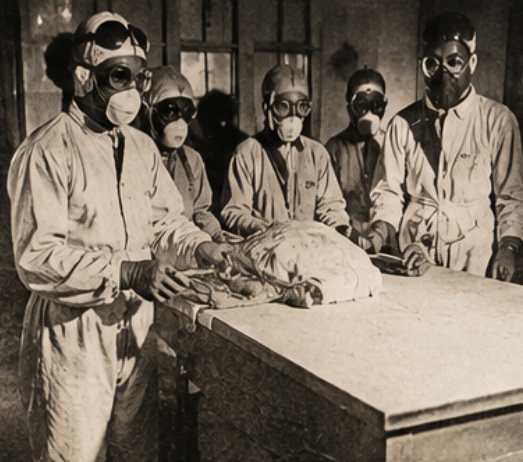
📷 Unit 731 was a covert biological and chemical warfare research unit of the Imperial Japanese Army that conducted lethal human experiments on prisoners of war and Chinese civilians in Manchuria between 1937 and 1945. The facility near Harbin was the size of a small city and employed over 3,000 personnel. (Historical record / Public Domain)
There is a building in Harbin, China, that you can visit today. It was once the headquarters of one of the most horrifying scientific programs in human history. Between 1937 and 1945, the Imperial Japanese Army’s Unit 731 biological warfare program conducted systematic live human experiments on thousands of prisoners — Chinese, Russian, Korean, Mongolian, and American. Prisoners were infected with bubonic plague, cholera, typhoid, and anthrax. They were vivisected while fully conscious. They were frozen alive and thawed repeatedly to study frostbite. They were subjected to high-pressure experiments, placed in pressure chambers until their eyes burst. They were burned with flamethrowers and exposed to poison gas.
When the war ended and Allied forces discovered what had happened, the scientists of Unit 731 Japan were not prosecuted for war crimes. They were given immunity — by the United States government — in exchange for their research data. General Douglas MacArthur approved the deal personally. The men who had infected living human beings with plague and watched them die in agony received no punishment. Some went on to distinguished careers in Japanese medicine and business. The commander of Unit 731, Lieutenant General Shirō Ishii, died peacefully in Tokyo in 1959.
This is the complete, documented history of Unit 731 Japan’s secret biological warfare program — one of the 20th century’s greatest atrocities and, until relatively recently, one of its most successfully suppressed.
☰ TABLE OF CONTENTS
- What Was Unit 731? The Biological Warfare Program Explained
- The Man Behind It: Lieutenant General Shirō Ishii
- The Facility: A City Built for Human Experimentation
- Who Were the Prisoners? The Men Called “Logs”
- The Experiments: What Was Actually Done to Human Beings
- Plague Weapons: How Unit 731 Weaponized Disease
- Biological Warfare Attacks on Chinese Cities
- Vivisection Without Anesthesia: The Most Disturbing Experiments
- Frostbite Research: Frozen Alive in Manchurian Winter
- The Other Units: How Far the Program Spread
- The Final Days: Destruction of Evidence
- The Cover-Up: How America Gave Unit 731 Immunity
- Japan’s Denial and the Fight for Historical Truth
- Why Unit 731 Was Worse Than We Knew: New Evidence
- Why Unit 731 Still Matters Today
- Frequently Asked Questions
1. What Was Unit 731? The Imperial Japanese Biological Warfare Program Explained
Unit 731 was the covert biological and chemical warfare research unit of the Imperial Japanese Army, formally designated as the Epidemic Prevention and Water Purification Department of the Kwantung Army. The “epidemic prevention” name was deliberate deception — a cover story that allowed the unit to operate under humanitarian language while conducting the opposite of medical care.
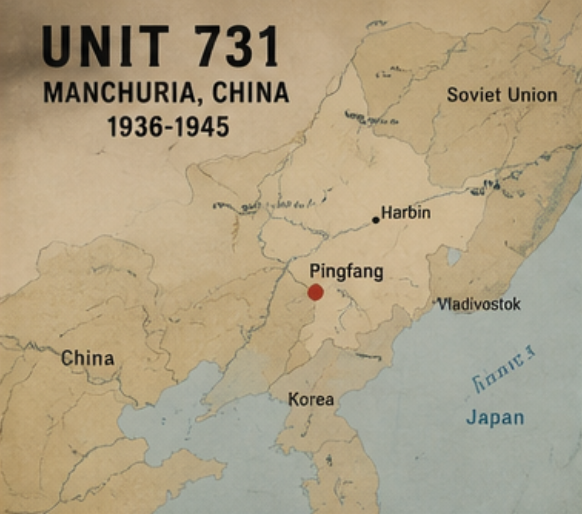
The Unit 731 biological warfare program was established in 1935 in Harbin, Manchuria — a city in northeastern China then under Japanese occupation. It grew into a complex of over 150 buildings spread across six square kilometers, employing more than 3,000 military and civilian personnel at its peak. Within its walls, the Japanese military conducted what remains the largest state-sponsored program of deliberate human experimentation in recorded history — surpassing even the Nazi medical experiments at Dachau in scale and systematic organization.
| 3,000+ Confirmed deaths at Unit 731 |
250K+ Estimated deaths from field weapons use |
8yr Duration 1937–1945 |
0 Unit 731 members prosecuted for war crimes |
2. The Man Behind It: Lieutenant General Shirō Ishii and Unit 731
Lieutenant General Shirō Ishii is one of the most disturbing figures of the 20th century — not because he was a monster by temperament, but because he was, by many accounts, a brilliant, charming, and genuinely dedicated physician who channeled his intelligence and energy entirely into the development of biological weapons and the human experimentation required to perfect them.
Born in 1892, Ishii graduated from Kyoto Imperial University’s medical school in 1920 and joined the Imperial Japanese Army. He became fascinated by biological warfare during a tour of Europe and the United States in 1928, where he studied how Western nations were developing biological weapons programs in violation of the 1925 Geneva Protocol. He returned to Japan with a simple and devastating observation: biological weapons were cheap to produce, easy to deliver, and potentially far more destructive than conventional bombs. He spent the next decade convincing the Japanese military establishment to let him build a program.
In 1935, he got his wish. The Unit 731 biological warfare facility was authorized and Ishii was placed in command. For the next ten years, he oversaw the most extensive state-sponsored human experimentation program in history — justifying it to himself, his staff, and ultimately the Japanese military leadership as a necessary contribution to Japan’s military superiority. Shirō Ishii was never prosecuted for any war crime. He died of throat cancer in Tokyo on October 9, 1959, aged 67.
“Bacteria warfare is the most powerful weapon. It is invisible, it is everywhere, and it cannot be stopped by walls or guns.”
— Lieutenant General Shirō Ishii, commander of Unit 731, addressing his research staff
3. The Facility: A City Built for Human Experimentation
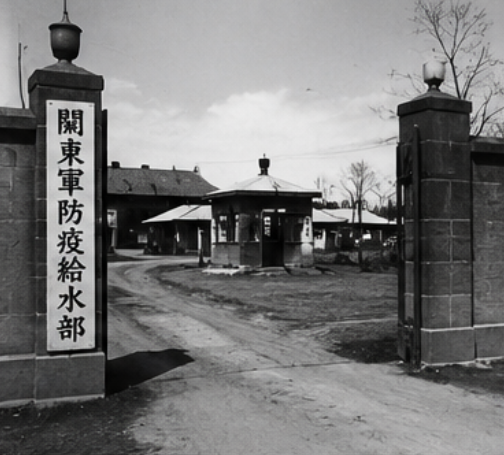
📷 The Unit 731 complex at Pingfang, 24 kilometers south of Harbin, Manchuria — a facility covering six square kilometers with over 150 buildings. It had its own power plant, railway line, airstrip, and prison. Locals were told it was a lumber mill. The smoke from its incinerators was explained as wood burning. (Historical record / Public Domain)
The Unit 731 complex at Pingfang, 24 kilometers south of Harbin, was not a simple laboratory. It was a self-contained military-scientific city covering six square kilometers, with over 150 buildings including research laboratories, a prison block, autopsy rooms, lecture halls, a hospital for Japanese personnel, dormitories, a swimming pool, recreational facilities, its own power plant, its own railway siding, and its own airstrip.
The prison block at the center of the complex — called the “Ro” block — could hold up to 400 prisoners at a time in small cells. It was designed so that prisoners could be transferred directly from their cells to experimental chambers through internal corridors without ever being seen by the general population of the facility. Locals in the surrounding area were told the facility was a lumber mill. The smell from the incinerators — which burned the remains of experimental subjects — was explained as wood smoke.
The Unit 731 Japan facility was one of the most carefully planned facilities of systematic murder in history. Everything about its design — the internal corridors, the decontamination chambers, the multiple incinerators, the isolation between prisoner areas and staff areas — reflected decades of thinking about how to conduct industrial-scale human experimentation with maximum scientific value and maximum secrecy.
4. Who Were the Prisoners? The Human Beings Unit 731 Called “Logs”
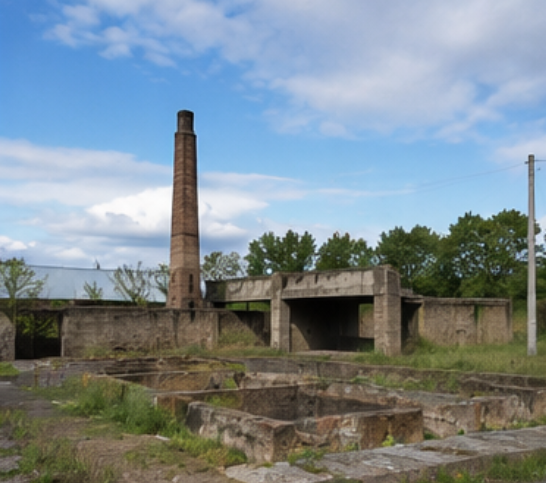
Unit 731 staff referred to their prisoners as “maruta” — the Japanese word for logs of wood. This was not simply dehumanizing slang. It was the facility’s actual official cover terminology: because the facility was presented to the outside world as a lumber mill, calling human experimental subjects “logs” served as workplace shorthand that could be used in documents and conversations without betraying the facility’s true nature.
The prisoners of Unit 731 Japan’s biological warfare program were primarily Chinese civilians and Chinese resistance fighters captured by the Kempeitai — the Japanese military police. They also included Russian citizens, Korean conscripts, Mongolians, and, evidence now suggests, at least a small number of American prisoners of war. They arrived from Manchurian prisons, from the streets of occupied cities, from military engagements across the region.
No prisoner ever left Unit 731 alive. This was not incidental — it was policy. Experiments were conducted until death, or subjects were killed after experiments to prevent them from telling anyone what had been done to them. Unit 731 staff called the execution of experimental subjects after their use “disposal.” Bodies were incinerated in the facility’s multiple cremation furnaces. The Ro block prison, which held up to 400 people, was continuously repopulated with new prisoners as its occupants died.
5. The Experiments: What Unit 731 Japan Actually Did to Human Beings
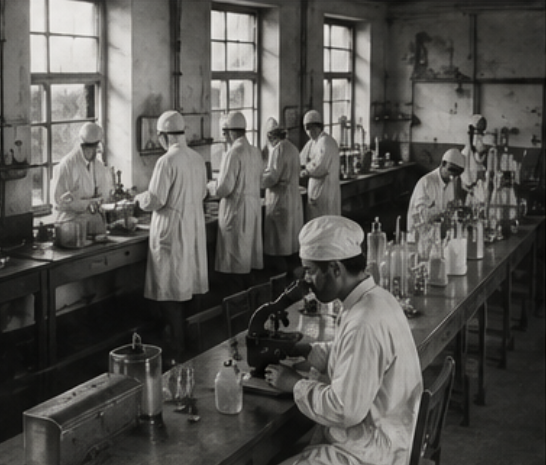
📷 Unit 731 conducted the most systematic program of deliberate human experimentation in recorded history, covering biological agents, chemical weapons, physical limits of the human body, and surgical procedures. The research program was comprehensive enough to address virtually every area of military medical science. Every experimental subject died. (Historical record)
The Unit 731 human experiments covered a range so broad and so systematic that it is difficult to convey in summary. What follows is documented and verified by survivor testimony, Japanese military records that survived the 1945 destruction order, post-war American intelligence reports, and the research of historians who have spent decades piecing together what happened. These are not rumors. These are documented facts.
■ UNIT 731 EXPERIMENTS — ALL DOCUMENTED IN HISTORICAL RECORDS
► Biological infection — prisoners infected with plague, cholera, typhoid, anthrax, and dysentery
► Vivisection — live surgery without anesthesia to study organ function in real time
► Frostbite experiments — limbs immersed in ice water or exposed to minus temperatures until frozen
► Pressure experiments — subjects placed in pressure chambers until eyes and organs ruptured
► Flamethrower tests — living subjects used as targets for incendiary weapons
► Weapons testing — prisoners used as targets for shrapnel, explosives, and chemical agents
► Decompression experiments — altitude sickness research causing gas emboli in blood
► Surgical experiments — organ removal, limb amputation and reattachment research
► Food and water deprivation — systematic starvation studies measuring time to death
► Centrifuge experiments — subjects spun until death from gravitational forces
► Horse blood transfusion — animal blood injected into living humans
► Seawater injection — saline solution substitution experiments
6. Plague Weapons: How Unit 731 Weaponized Bubonic Plague Against China
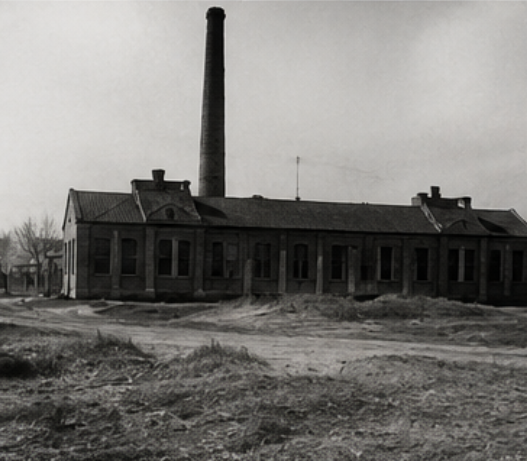
The most sophisticated and most lethal product of the Unit 731 biological warfare program was its plague weapon system. Ishii and his team bred enormous quantities of plague-carrying fleas in Unit 731’s laboratories — at peak production, the facility could produce 45 kilograms of plague bacillus per month and cultivate billions of infected fleas.
The delivery mechanism Ishii’s team developed was elegant and devastating: ceramic bombs filled with infected fleas, designed to shatter on impact and release their contents over a wide area. The ceramic construction was critical — metal bombs would kill the fleas with the heat of detonation. Ceramic would shatter gently, releasing living infected fleas that would then bite civilians and spread plague through the population.
The effectiveness of this system was tested not just in Unit 731’s laboratories, but in actual attacks on Chinese cities. Between 1940 and 1942, Unit 731 conducted at least 11 documented biological warfare attacks on Chinese cities including Changde, Ningbo, and Quzhou, releasing plague-infected fleas over civilian populations. The resulting outbreaks killed thousands of Chinese civilians and, in some cases, accidentally killed Japanese soldiers operating in the same areas — demonstrating both the weapon’s effectiveness and its terrifying indiscriminate nature.
7. Biological Warfare Attacks on Chinese Cities: Unit 731’s Field Operations
📷 Japanese aircraft dropped ceramic bombs containing plague-infected fleas over Chinese cities between 1940 and 1942. The resulting outbreaks killed thousands of Chinese civilians. Evidence of these attacks was documented by Chinese medical authorities at the time and later confirmed by declassified Japanese military records. (Historical record)
The Unit 731 biological warfare field operations represent the only confirmed use of biological weapons against civilian populations in modern warfare. Between 1940 and 1945, Japanese aircraft and ground units conducted multiple documented biological attacks against Chinese cities, water sources, and food supplies.
Changde, 1941: Japanese aircraft dropped paper bags and grain contaminated with plague-infected fleas over Changde, Hunan Province. The resulting plague outbreak killed over 7,000 people. Chinese medical authorities documented the attack in real time and the evidence has since been confirmed by declassified Japanese military records.
Operation Cherry Blossoms at Night, 1945: Perhaps the most audacious and most horrifying plan ever developed by the Unit 731 Japan program was Operation Cherry Blossoms at Night — a plan to use submarines to land Japanese agents on the California coast, release plague-infected fleas over San Diego and Los Angeles, and trigger a biological pandemic in the United States. The operation was scheduled for September 22, 1945. Japan surrendered on September 2. The attack never happened.
“We were told we were making Japan safe. We were told the prisoners were criminals, enemies of the Emperor. We told ourselves many things. None of them were true.”
— A former Unit 731 researcher, speaking anonymously to Japanese journalist Hal Gold, 1990s
8. Vivisection Without Anesthesia: The Most Disturbing Unit 731 Experiments
Among the most extensively documented of all Unit 731 human experiments was the practice of vivisection — surgery performed on living, conscious subjects. This was not accidental or incidental. It was a specific research methodology adopted because the researchers believed that only real-time observation of living organs could provide the data they needed.
Vivisection at Unit 731 was performed without anesthesia — not because anesthesia was unavailable, but because researchers believed that anesthetic compounds would contaminate their experimental results. Prisoners were restrained and operated on while fully conscious. Organs were removed and examined while still functional. Limbs were amputated. The cardiovascular system was observed in real time during various experimental conditions.
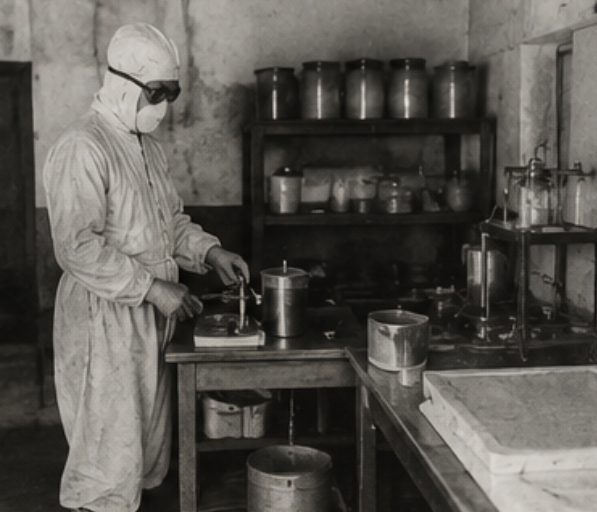
The testimony of former Unit 731 researchers, collected by Japanese journalists in the decades after the war, is some of the most disturbing first-person testimony in historical literature. Researchers described performing abdominal surgeries on conscious, screaming prisoners. They described removing organs while prisoners were still alive to study how quickly different systems failed. They described the specific sounds and physical responses of the people they were operating on.
Several former researchers who spoke on the record described a specific rationalization that was common within the Unit 731 biological warfare facility: that the prisoners were already “scheduled for disposal” regardless of what happened to them, so using them for vivisection was not creating additional death — merely making their deaths scientifically useful. This rationalization allowed highly educated, professionally trained physicians to perform acts that, in any other context, would have been immediately recognizable as torture and murder.
9. Frozen Alive: Unit 731’s Frostbite Research on Human Subjects
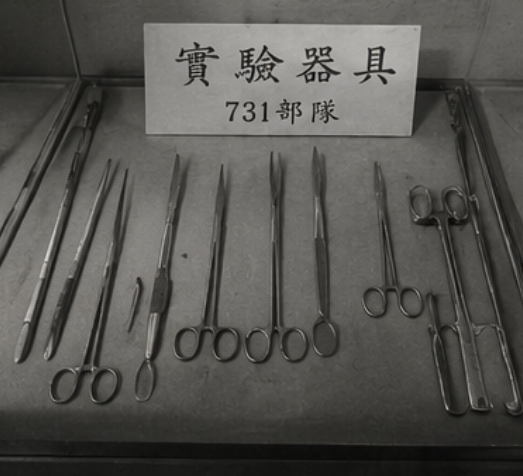
📷 Manchuria’s winters drop to minus 40°C — conditions that made frostbite a major military medical concern for Japanese forces. Unit 731 researcher Dr. Yoshimura Hisato used these conditions to conduct systematic frostbite experiments on living prisoners, submerging limbs in ice water or exposing them to outdoor temperatures until frozen solid, then studying various rewarming methods. (Historical record)
Manchuria’s winters reach minus 40°C — temperatures that made frostbite one of the most significant medical problems facing Japanese forces operating in northern China. The Unit 731 biological warfare program addressed this military medical problem with its characteristic methodology: systematic live human experimentation.
Dr. Yoshimura Hisato led Unit 731’s frostbite research. His method was direct and brutal: prisoners’ limbs were immersed in ice water or taken outside in winter temperatures until they were frozen solid — a process that took varying amounts of time depending on the subject’s physical condition. Yoshimura then tested various rewarming methods — hot water, open fire, body heat — to determine which produced the best outcomes for frostbite treatment. Subjects were used repeatedly until their limbs became too damaged to produce useful data, at which point they were disposed of.
Yoshimura Hisato was never prosecuted for these experiments. After the war, he returned to academic medicine in Japan, published papers on cold weather physiology, and worked as a professor at Kyoto Prefectural University of Medicine. He was honored with several academic awards. He died in 1995, having never been charged with any crime.
10. Beyond Harbin: How Far Japan’s Biological Warfare Program Actually Spread
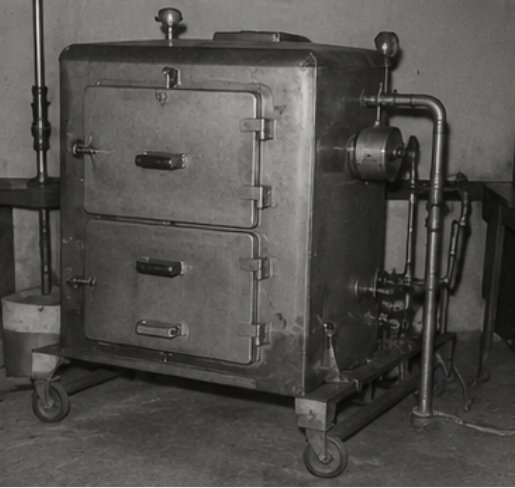
Unit 731 was the largest and most extensively documented component of Japan’s biological warfare program, but it was not the only one. The Imperial Japanese Army operated a network of similar facilities across its occupied territories, each conducting human experimentation and biological weapons research under the same command structure.
Unit 100, based in Changchun, focused on veterinary biological warfare — developing methods to destroy enemy livestock through disease. Unit 1644 in Nanjing, Unit 1855 in Beijing, Unit 8604 in Guangzhou, and Unit 9420 in Singapore all conducted their own programs of biological weapons research and human experimentation. Together, these units constituted one of the largest state-sponsored programs of scientific research into mass killing ever assembled.
Current historical estimates suggest that the combined death toll from the Unit 731 Japan biological warfare program and its affiliated units — counting both direct experimental deaths and deaths from field biological weapons use — may reach 250,000 to 300,000 people. Most of these deaths occurred among Chinese civilians who died in plague outbreaks triggered by Japanese biological weapon attacks.
11. The Final Days: How Unit 731 Destroyed Its Evidence in August 1945
When Japan surrendered to the Allied powers in August 1945, Shirō Ishii moved with extraordinary speed. He had ten days between Japan’s surrender announcement and the Soviet Army’s arrival in Manchuria. He used them to implement a comprehensive destruction plan that had clearly been prepared in advance.
The remaining prisoners in Unit 731’s cells — numbering in the hundreds — were killed. Some were infected with final doses of plague and typhoid as a last act of research. All were then executed. The bodies were incinerated. The research animals — thousands of rats, mice, and other creatures carrying live plague, cholera, and other diseases — were released into the Manchurian countryside. The buildings were dynamited. Documents were burned. Equipment was destroyed.
Ishii then gathered his senior staff, administered an oath of permanent silence, and dispersed them across Japan. He himself went into hiding, briefly, before being located by American intelligence. The release of infected animals into the Manchurian countryside caused a massive plague epidemic in the region between 1946 and 1948, killing tens of thousands of Chinese and Soviet citizens even after the war had ended. This final plague epidemic — the last act of the Unit 731 biological warfare program — was never attributed to Japan in any official international forum.
12. The Cover-Up: How America Gave Unit 731 War Criminals Full Immunity
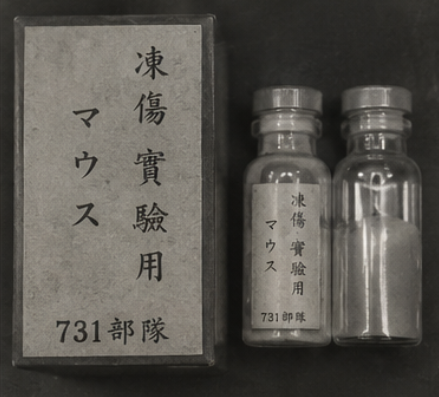
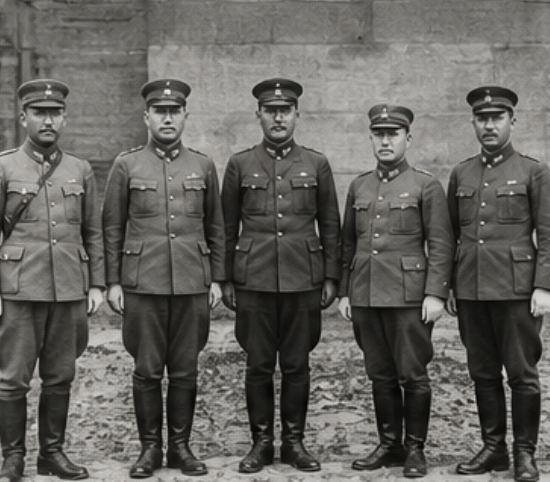
📷 The decision by American occupation authorities — approved by General Douglas MacArthur — to grant immunity to all Unit 731 personnel in exchange for biological warfare research data is one of the most consequential and least discussed cover-ups of the post-war period. It ensured that no member of the Unit 731 biological warfare program was ever prosecuted at the Tokyo War Crimes Trials or anywhere else. (Historical record)
This is the chapter of the Unit 731 story that transforms it from a Japanese atrocity into an American one as well. In the months after Japan’s surrender, American military intelligence officers located Shirō Ishii and his senior staff. They interviewed them extensively about the biological warfare research conducted at Unit 731. What they heard was clearly extraordinary: data on human plague infection, human frostbite tolerance, human responses to various biological agents, and the technical specifications of the biological weapons delivery systems Ishii’s team had developed.
American officials faced a choice: prosecute the Unit 731 researchers for war crimes at the Tokyo Trials currently underway, or offer them immunity in exchange for exclusive access to their research data. The Cold War had begun. The Soviet Union was developing its own biological weapons program. The United States military was acutely aware that it did not have access to the kind of large-scale human experimentation data that Unit 731 had generated. It decided that this data was worth more than justice.
General Douglas MacArthur approved the immunity deal. In exchange for their complete research data, every member of Unit 731 was granted full immunity from prosecution for war crimes. The deal was kept secret for decades. At the Tokyo War Crimes Trials, which convicted and executed numerous Japanese military and political leaders for war crimes, not a single member of Unit 731 was prosecuted. The Soviet Union had captured some Unit 731 members and tried them in the Khabarovsk War Crimes Trial in 1949 — but the Western powers dismissed these proceedings as communist propaganda. The truth of what had happened was classified by the American government and would not be fully acknowledged for another forty years.
“The value to the United States of Japanese BW [biological warfare] data is of such importance to national security as to far outweigh the value accruing from war crime prosecution.”
— Declassified US Army report, 1947, justifying the decision to grant immunity to Unit 731 personnel in exchange for their research data
13. Japan’s Denial and the Ongoing Fight for Historical Truth About Unit 731
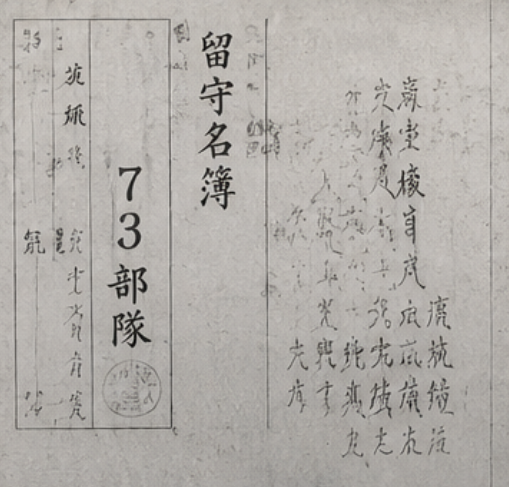
Japan’s relationship with the history of Unit 731 has been, and remains, deeply complicated. For decades after the war, the Japanese government maintained that the Khabarovsk trial testimonies were fabricated Soviet propaganda. The immunity deal with the United States meant that there was no official Allied prosecution record establishing the facts. Japanese textbooks largely ignored Unit 731. The surviving members of the unit, protected by both their oath of silence and their American immunity, largely kept that silence.
The breakthrough came from Japanese journalists and historians — particularly the pioneering work of journalist Seiichi Morimura, whose book “Akuma no Hoshoku” (“The Devil’s Gluttony”) was published in 1981 and became a major bestseller in Japan, forcing public confrontation with the Unit 731 history for the first time. Several former Unit 731 members broke their oath of silence and spoke to researchers. The evidence became impossible to deny.
In 1997, Japan’s Supreme Court acknowledged for the first time in a legal ruling that Unit 731 had existed and conducted human experiments. The Japanese government has since acknowledged Unit 731’s existence — but has consistently stopped short of the kind of formal, unambiguous apology and reparations program that China and other victim nations have demanded. The Unit 731 museum at the Pingfang site in Harbin attracts hundreds of thousands of visitors annually — mostly Chinese. It remains one of the most powerful sites of historical memory in Asia.
14. Why Unit 731 Was Worse Than We Knew: New Evidence Since 2000
Research into the Unit 731 Japan biological warfare program has continued to reveal new dimensions of the atrocity. In 2002, Japanese researchers discovered that the Japanese Army had documented biological attacks on 11 Chinese cities between 1940 and 1942 in records that had previously been classified. In 2018, the Japanese National Institute of Health and Nutrition discovered that some of the human tissue samples in its archives had originated from Unit 731 experiments — meaning that the medical establishment had unknowingly held evidence for decades.
Most significantly, the full extent of American knowledge of and complicity in the cover-up was revealed through declassified documents released under the Freedom of Information Act in the 1990s and 2000s. These documents confirmed that American officials had known the full extent of Unit 731’s crimes before making the immunity deal — that they had not been misled about what had happened, but had made a conscious, calculated decision to protect the perpetrators in exchange for the data produced by their crimes.
15. Why Unit 731 Japan’s Biological Warfare Program Still Matters Today
The history of Unit 731 Japan’s biological warfare program matters for at least three distinct and important reasons that extend far beyond the specific crimes committed between 1937 and 1945.
First, it shows how atrocity is rationalized by educated professionals. The researchers at Unit 731 were not uneducated sadists. They were trained physicians, microbiologists, and chemists who had studied at Japan’s finest universities. They rationalized what they were doing through a combination of nationalism, scientific ambition, and the bureaucratic framing that defined their victims not as human beings but as “logs.” This is the most disturbing and most important lesson of Unit 731: that professional training and academic achievement provide no protection against moral catastrophe when the institutional framework removes the humanity of the victim.
Second, it shows how Cold War geopolitics corrupted post-war justice. The immunity deal is not a footnote to Unit 731’s history. It is central to it. It demonstrates that the post-war international justice system — the Tokyo Trials, the Nuremberg principles — was not a neutral application of universal law. It was shaped by power politics. The perpetrators of Unit 731 escaped justice because their crimes were useful to a superpower. That is a fact that demands acknowledgment.
Third, it is unfinished history. No reparations have been paid. No comprehensive official apology has been issued. The Unit 731 biological warfare victims — Chinese, Russian, Korean, Mongolian, and possibly American — have never received the formal legal acknowledgment of what was done to them that the Nuremberg trials provided for the victims of Nazi medical experiments. That injustice continues.
Unit 731 Complete Timeline
16. Frequently Asked Questions About Unit 731 Japan’s Biological Warfare Program
❓ What was Unit 731 and what did it do?
Unit 731 was a covert biological and chemical warfare research unit of the Imperial Japanese Army that operated in Harbin, Manchuria between 1937 and 1945. It conducted systematic live human experiments on thousands of Chinese, Russian, Korean, Mongolian, and possibly American prisoners. Experiments included infection with plague and cholera, vivisection without anesthesia, freezing limbs in ice water to study frostbite, pressure chamber experiments, and weapons testing on living human subjects. No prisoner ever left the facility alive. The facility also developed biological weapons that were used in attacks on at least 11 Chinese cities, killing an estimated 250,000 people in resulting disease outbreaks.
❓ Why was no one from Unit 731 prosecuted for war crimes?
American occupation authorities, led by General Douglas MacArthur, made a secret deal with Unit 731 commander Shirō Ishii and his senior staff in 1947: complete immunity from war crimes prosecution in exchange for exclusive American access to their biological warfare research data. The decision was driven by Cold War considerations — the United States wanted the data to support its own biological weapons program and prevent the Soviet Union from obtaining it. This immunity deal was classified and kept secret for decades. At the Tokyo War Crimes Trials, no Unit 731 member was prosecuted. Declassified documents released in the 1990s and 2000s confirmed the full details of the immunity deal and American knowledge of Unit 731’s crimes prior to making it.
❓ How many people died because of Unit 731?
At least 3,000 people died directly in Unit 731’s Harbin facility as experimental subjects. An estimated 250,000 to 300,000 people died in biological warfare attacks conducted by Unit 731 and its affiliated units across China between 1940 and 1945, primarily in plague outbreaks triggered by the release of plague-infected fleas over civilian populations. Additional deaths occurred from post-war plague outbreaks caused by Unit 731’s release of infected animals into the Manchurian countryside in August 1945. The exact total remains impossible to determine precisely because Unit 731 destroyed most of its records before surrender.
❓ What happened to Shirō Ishii after World War II?
Shirō Ishii received full immunity from prosecution for war crimes under the 1947 American immunity deal. He cooperated with American intelligence, providing detailed reports on Unit 731’s research. He lived freely in Japan after the war, working occasionally as a medical consultant. He converted to Christianity in his final years. He died of throat cancer in Tokyo on October 9, 1959, aged 67. He was never charged with any crime, never imprisoned, and never officially acknowledged his role in Unit 731’s human experiments during his lifetime.
❓ Has Japan officially apologized for Unit 731?
Japan’s Supreme Court acknowledged in 1997 that Unit 731 had existed and conducted human experiments — the first official Japanese judicial acknowledgment of the program. The Japanese government has not issued a formal comprehensive apology for Unit 731 specifically, nor has it paid reparations to victims or their families. This remains a significant source of tension between Japan and China. The Unit 731 museum at the Pingfang site in Harbin, China, which attracts hundreds of thousands of visitors annually, was built and is maintained by China without Japanese government support.
❓ Where can I learn more about Unit 731 Japan’s biological warfare program?
Sheldon Harris’s Factories of Death: Japanese Biological Warfare, 1932–45 and the American Cover-Up (1994) is the most comprehensive English-language academic account. Hal Gold’s Unit 731: Testimony (2004) presents first-person accounts from former Unit 731 members. Seiichi Morimura’s The Devil’s Gluttony (1981, translated) was the first major Japanese-language account. The Unit 731 Crime Evidence Museum in Harbin, China (pingfang.hrb.gov.cn) is the primary public memorial and documentation center. The National Archives in Washington DC holds declassified American intelligence reports on Unit 731 that document the immunity deal.
▪ RELATED DARK HISTORY ARTICLES
→ Project MKUltra: The CIA’s Secret Mind Control Program (1953–1973)
→ The Tuskegee Syphilis Study: 40 Years of Deliberate Medical Neglect
→ King Leopold II’s Congo Free State: The Forgotten Genocide
→ Jonestown Massacre: How Jim Jones Killed 918 People in One Day
→ The Dyatlov Pass Incident: What Really Happened to the Nine Hikers?
▤ SOURCES & FURTHER READING
▸ Sheldon Harris — Factories of Death: Japanese Biological Warfare 1932–45 and the American Cover-Up (Routledge, 1994)
▸ Hal Gold — Unit 731: Testimony (Tuttle Publishing, 2004)
▸ Seiichi Morimura — Akuma no Hoshoku (The Devil’s Gluttony) (1981)
▸ Sheldon Harris — Japanese Biological Warfare Research on Humans, Annals of the New York Academy of Sciences (1992)
▸ Declassified US Army Intelligence Reports on Unit 731 — National Archives, Washington DC
▸ Unit 731 Crime Evidence Museum — Pingfang, Harbin, China