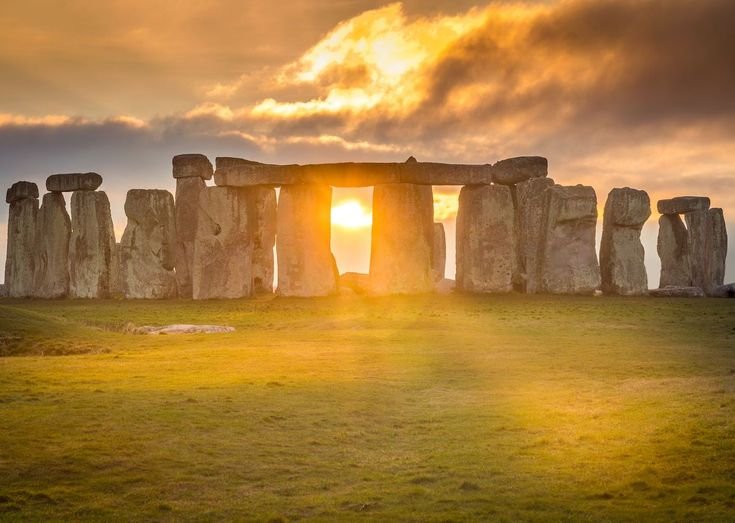
What Is Stonehenge?
Stonehenge is one of the most famous prehistoric monuments in the world. Located in Wiltshire, England, this ancient stone circle has fascinated historians, archaeologists, and travelers for centuries. Despite decades of research, many questions about Stonehenge remain unanswered, making it one of history’s greatest mysteries.
Every year, thousands of visitors travel to Stonehenge to admire its massive standing stones and learn about its remarkable past. Its unique design and historical significance have made it a symbol of ancient human achievement.
Where Is Stonehenge Located?
Stonehenge is situated on Salisbury Plain in southern England, approximately 13 kilometers north of Salisbury. The monument is part of a larger prehistoric landscape that includes burial mounds, ancient pathways, and archaeological sites.
Because of its cultural and historical importance, Stonehenge has been recognized as a UNESCO World Heritage Site. The surrounding area provides valuable insights into the lives of the people who lived thousands of years ago.
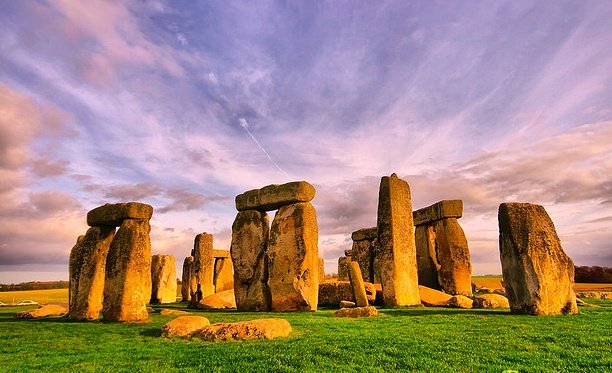
When Was Stonehenge Built?
Archaeological evidence suggests that Stonehenge was constructed in several phases between approximately 3000 BCE and 2000 BCE. The earliest stage consisted of a circular earthwork enclosure, while the massive stone structures seen today were added later.
Building Stonehenge required remarkable planning, engineering skills, and cooperation among prehistoric communities. The transportation and placement of the enormous stones remain one of the monument’s most impressive achievements.
How Were the Stones Transported?
One of the greatest mysteries surrounding Stonehenge is how ancient people moved the massive stones over long distances without modern machinery.
Some of the smaller bluestones are believed to have been transported from Wales, more than 200 kilometers away. Researchers suggest that a combination of wooden sledges, rollers, ropes, and waterways may have been used to move the stones to their final location.
Although experts have proposed several theories, the exact methods used by Stonehenge’s builders remain uncertain.
Why Was Stonehenge Built?
The true purpose of Stonehenge is still debated by historians and archaeologists. Several theories have been proposed over the years.
Some researchers believe Stonehenge served as a ceremonial or religious site where ancient communities gathered for important rituals. Others suggest it may have functioned as a burial ground, an astronomical observatory, or a place for seasonal celebrations.
The monument’s alignment with the summer and winter solstices has led many experts to believe that celestial events played an important role in its design.
The Connection Between Stonehenge and Astronomy
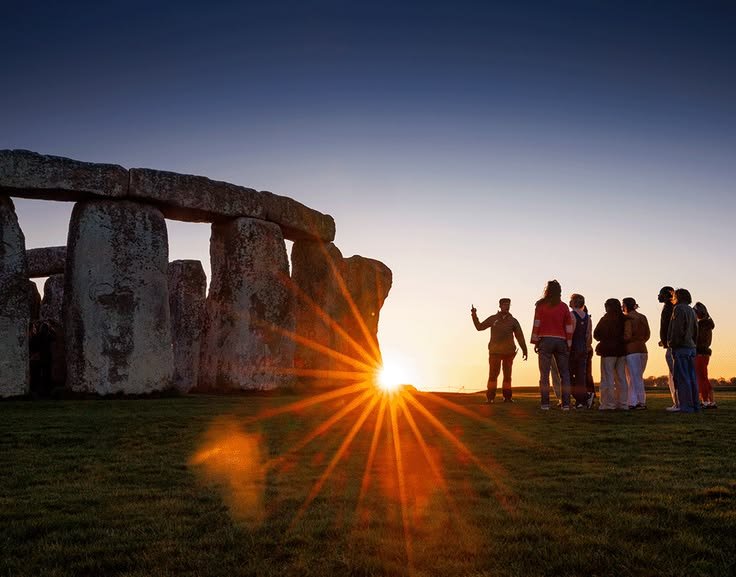
One of Stonehenge’s most fascinating features is its alignment with the movement of the sun. During the summer solstice, the sun rises in alignment with the monument’s main axis, creating a spectacular sight that attracts visitors from around the world.
Similarly, the winter solstice sunset aligns with another significant point within the structure. These alignments suggest that the builders possessed an advanced understanding of astronomy and seasonal cycles.
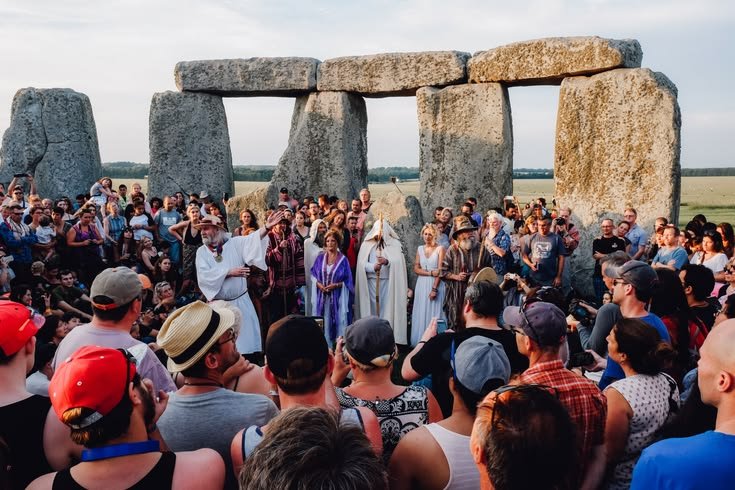
Myths and Mysteries of Stonehenge
Stonehenge has inspired countless legends and myths throughout history. Some stories claim that giants built the monument, while others connect it to ancient magic and legendary figures.
In medieval folklore, the wizard Merlin was sometimes credited with transporting the stones through supernatural means. While these stories are entertaining, there is no historical evidence supporting such claims.
The monument’s mysterious origins continue to inspire curiosity and debate among researchers and visitors alike.
Stonehenge Today
Today, Stonehenge remains one of the United Kingdom’s most visited historic landmarks. Managed and preserved for future generations, the site attracts tourists, historians, photographers, and archaeology enthusiasts from across the globe.
Modern research continues to uncover new information about Stonehenge and the people who built it. Advances in technology have helped archaeologists discover additional structures and hidden features within the surrounding landscape.
Why Stonehenge Remains Important
Stonehenge is more than just a collection of ancient stones. It represents the creativity, determination, and knowledge of prehistoric societies. The monument provides valuable insights into human history and demonstrates what ancient communities were capable of achieving long before modern technology existed.
Its combination of history, archaeology, astronomy, and mystery continues to capture the imagination of people around the world.
Final Thoughts
Few ancient monuments are as iconic as Stonehenge. Its massive stones, mysterious origins, and connection to the ancient world make it one of humanity’s most fascinating landmarks.
Whether viewed as an engineering achievement, a ceremonial site, or an astronomical wonder, Stonehenge remains a powerful reminder of our shared past and an enduring symbol of human curiosity.
Disclaimer
This article is intended for educational and informational purposes. Historical interpretations and archaeological theories regarding Stonehenge continue to evolve as new research becomes available.