The United States has entered a new era of artificial intelligence policy. With rapid advancements in AI systems—especially generative AI, automation, and decision-making algorithms—the government has finally taken major steps to regulate how artificial intelligence impacts everyday life. The “U.S. AI Regulation Bill 2025” is one of the most significant technology laws in American history, shaping how companies build AI tools and how citizens interact with them.
This new bill affects students, creators, workers, businesses, healthcare providers, online users, and almost everyone who touches digital technology. While some experts believe this law will protect people from misuse, others say it may slow innovation. But one thing is certain: the 2025 AI Regulation Bill will change how Americans live, work, and use technology.
Below is a complete breakdown—in simple human language—of what the new law means for you.
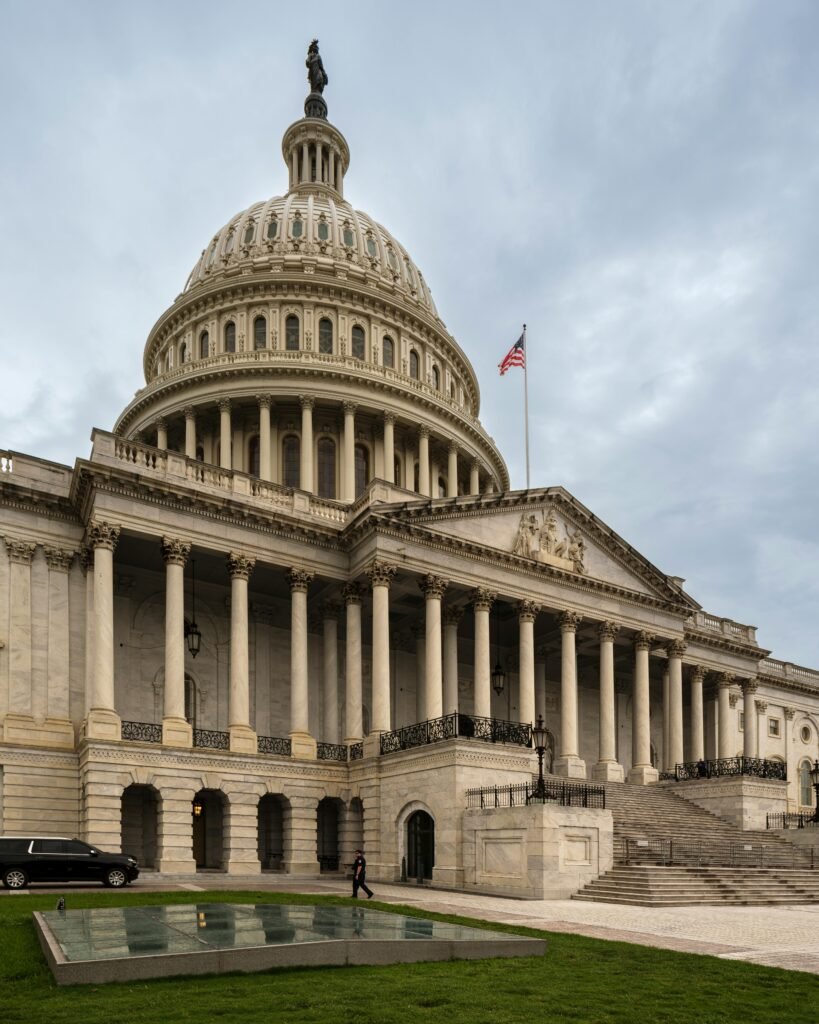
Why the U.S. Created the AI Regulation Bill 2025
For the past few years, lawmakers, scientists, and tech leaders like Elon Musk, Sam Altman, Tim Cook, and Sundar Pichai have warned that AI is moving faster than society can control.
Several concerns pushed regulators to act:
- AI-generated fake news influencing elections
- Deepfakes damaging reputations
- AI replacing jobs rapidly without guidelines
- Algorithms collecting too much personal data
- Schools and colleges struggling with AI cheating
- Unregulated AI in healthcare giving wrong diagnoses
- AI tools being used for scams, fraud, and identity theft
Public pressure grew, and by late 2024, Congress began drafting the AI Accountability and Safety Act — which became law in early 2025.
What the 2025 AI Law Covers
This bill focuses on safety, transparency, privacy, fairness, and accountability. Here’s what’s inside:
1. Clear Labeling of AI-Generated Content
Whether it’s an AI-generated:
- photo
- video
- article
- social media post
- voice clip
- deepfake
Companies are now required to clearly mark it as “AI-generated.”
This protects people from misinformation and fraud. Platforms like Instagram, TikTok, YouTube, and Facebook must now automatically label AI content.
2. Strong Protection Against AI Deepfakes
The new law makes the following illegal without consent:
- AI-generated face swaps
- Fake speeches using someone’s voice
- AI videos of celebrities or private people
- Political deepfakes during campaigns
Victims can now legally sue creators and platforms hosting harmful deepfakes.

3. Limits on AI Data Collection
AI tools can no longer collect:
- private chats
- biometric information
- face recognition data
- sensitive medical details
- location history
- personal financial info
without clear user permission.
This means more privacy protection for all citizens.
4. AI in Schools: Stricter Rules for Students & Teachers
Schools and colleges faced huge issues with AI, especially cheating using ChatGPT-like tools.
The bill requires:
- Schools to set official AI use policies
- Teachers to disclose when AI tools grade assignments
- Students to declare when they used AI to help with homework
AI is allowed—but transparency is required.

5. Workplace AI: Protection for Employees
Many workers are afraid of AI replacing their jobs.
The new law ensures:
- Companies must inform employees before using AI monitoring tools
- Workers have the right to request human review of AI-based decisions
- AI cannot be the sole reason for firing or hiring
This gives workers more safety and control.
6. Stricter Rules for AI in Healthcare
Healthcare AI can now only be used under:
- strict testing
- clear explanations
- human doctor final approval
This reduces chances of incorrect AI diagnoses or dangerous recommendations.
7. Transparency for AI Companies
Every major AI company must now publish:
- how their models are trained
- risks and limitations
- what data they use
- how decisions are made
This forces the industry to be honest and responsible.
What the Bill Means for Everyday People
Here’s how normal users benefit:
• More Privacy
AI can no longer steal data silently.
• More Safety Online
Deepfake crimes will decrease.
• More Trustworthy AI Tools
Models must be transparent and tested.
• Better Job Protection
AI can’t decide your job fate alone.
• Safer Healthcare
Doctors must now double-check AI results.
• Cleaner Social Media
Fake news, AI bots, and deepfake scams face strict penalties.
What Tech Companies Think About the Law
Different groups have different views:
Supporters say:
- “Finally, people are protected from harmful AI.”
- “Deepfake restrictions were urgently needed.”
- “Privacy rules will build trust in technology.”
Many educators, parents, lawyers, and cybersecurity experts agree.
Critics say:
- “Too many rules will slow innovation.”
- “Startups may struggle with compliance.”
- “The U.S. might fall behind China and Europe in AI development.”
Silicon Valley investors believe some rules are too strict, especially in research and experimentation.
How This Law Affects Content Creators & Businesses
Creators must now:
- Declare AI-use in videos
- Avoid AI-generated voice clones
- Be careful about misinformation
Businesses must:
- Maintain transparency
- Ensure fair AI decision-making
- Document AI training data
Penalties for breaking rules are high—up to $50,000 per violation.

Frequently Asked Questions (Naturally Included)
Q1: Will this law stop AI from growing?
AI will still grow, but with more responsibility. The goal is safe innovation, not slowing progress.
Q2: Will people lose fewer jobs because of this bill?
The bill cannot stop automation, but it ensures fair treatment, transparency, and human oversight.
Q3: Are deepfakes now fully illegal?
Not fully—consensual deepfakes (like special effects) are allowed.
Harmful deepfakes are illegal.
Q4: Can AI still collect personal data?
Yes, but only with clear user permission — no more hidden data harvesting.
Q5: Does this law affect AI apps like ChatGPT?
Yes. They must follow:
- transparency rules
- privacy guidelines
- risk disclosure
They must clearly label AI-generated responses when required.
Conclusion
The AI Regulation Bill 2025 marks a turning point in how the U.S. interacts with artificial intelligence. It brings more safety, transparency, privacy, and accountability, while encouraging responsible innovation. Whether you’re a student, content creator, worker, business owner, or everyday user, these laws will shape how you experience artificial intelligence in the coming years.
The world is entering a new age where AI and law work together—not to limit innovation, but to protect people and build a safer digital future.

The AI Regulation in the U.S. 2025 is designed to balance innovation with accountability, shaping how Americans will use artificial intelligence responsibly in the years ahead.