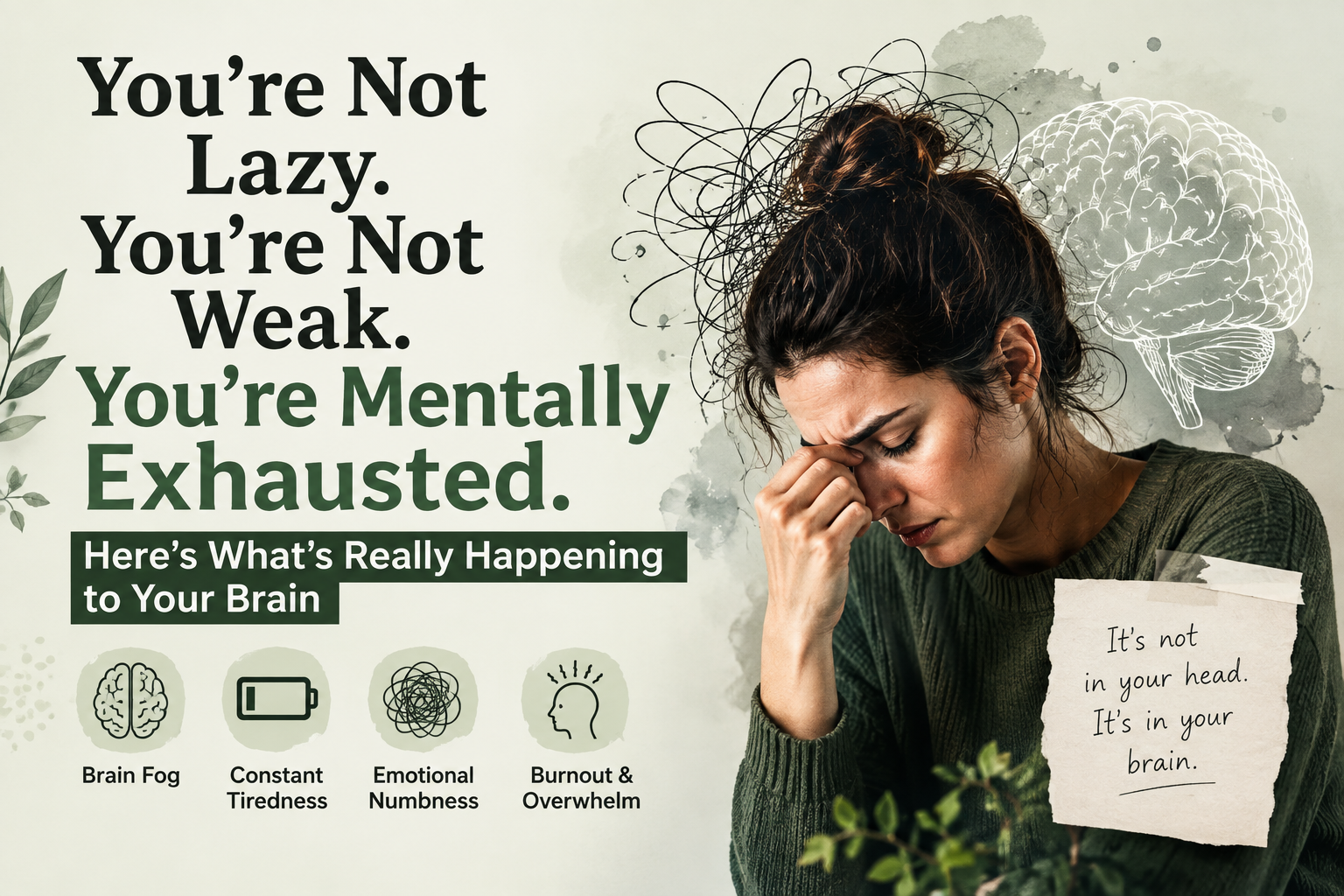
You wake up tired. You drag yourself through the day feeling like you’re running on empty. You forget simple things, snap at people you love, feel nothing when you used to feel everything, and lie in bed at night unable to sleep despite being utterly exhausted. You tell yourself you’re just being lazy. You tell yourself to push through. You don’t realize that what’s happening to you has a name, a cause, and — most importantly — a way out. This is the complete guide to mental health exhaustion and burnout: what it is, what it does to your brain, and how to actually recover from it.
| Updated: August 2026 | 18 Min Read | Mental Health & Psychology | ✓ Fully Researched |
Mental exhaustion is one of the most misunderstood conditions in modern life. It is not laziness. It is not weakness. It is a genuine neurological state in which your brain has been operating under sustained high demand and has begun breaking down under the weight of it — in ways that are measurable, documented, and entirely real.
Let’s start with something honest: nobody talks about mental health exhaustion and burnout the way it actually feels. The articles say things like “practice self-care” and “set better boundaries” as though you haven’t already tried every version of those things. What they don’t tell you is that mental exhaustion has a specific biology. It changes your brain chemistry. It alters the way your prefrontal cortex functions. It shrinks your emotional regulation capacity in measurable, documented ways. It is not a character flaw. It is not a lifestyle choice. It is what happens when a human nervous system runs at maximum capacity for too long without adequate recovery.
In 2019, the World Health Organization officially classified burnout as an occupational phenomenon in the International Classification of Diseases — acknowledging for the first time at the highest level of global health authority that this is not a personality weakness but a genuine, diagnosable condition with identifiable causes and consequences. And yet most people still experience it in silence, blame themselves for it, and try to push through it with the same behaviors that caused it in the first place.
This article is for the person who is exhausted in a way that sleep doesn’t fix. For the person whose brain feels like it’s running in slow motion. For the person who used to care deeply about things and now feels nothing. If any part of that sounds familiar — keep reading. Because understanding what is actually happening to you is the first step toward actually changing it.
☰ TABLE OF CONTENTS
- What Is Mental Exhaustion? The Science Behind It
- Mental Exhaustion vs. Physical Tiredness: The Critical Difference
- The 12 Real Signs You Are Mentally Exhausted
- What Burnout Actually Does to Your Brain
- Decision Fatigue: Why Small Choices Feel Impossible
- Memory Lapses and Brain Fog — What’s Really Happening
- Emotional Numbness: When You Stop Feeling Everything
- The Hidden Causes Nobody Talks About
- How Mental Exhaustion Destroys Your Relationships
- The Body’s Alarm System: Physical Signs of Mental Burnout
- Why Pushing Through Makes It Worse
- The Science-Backed Recovery Plan That Actually Works
- When to Get Professional Help
- Frequently Asked Questions
1. What Is Mental Exhaustion? The Science Your Doctor Might Not Have Explained
Mental health exhaustion and burnout is the state that results when your brain has been processing high volumes of cognitive, emotional, and stress-related information for a sustained period without adequate recovery time. Unlike physical exhaustion — which results from muscle fatigue and is largely resolved by sleep and rest — mental exhaustion involves neurochemical depletion and structural changes in brain function that do not respond as quickly or as simply to conventional rest.
Your brain consumes approximately 20% of your body’s total energy budget despite accounting for only 2% of its weight. When you’re managing chronic stress, making a high volume of decisions, suppressing difficult emotions, or carrying sustained emotional labor, your brain’s energy demands increase dramatically. Over time, the neurochemicals that regulate mood, motivation, focus, and emotional resilience — dopamine, serotonin, norepinephrine, cortisol — become dysregulated. The result is a brain that is physically impaired in its ability to function normally.
Research published in the journal PLOS ONE in 2022 found that people experiencing mental burnout showed measurable differences in brain activity in the prefrontal cortex — the region responsible for decision-making, emotional regulation, impulse control, and planning. The exhausted brain is not just tired. It is neurologically impaired. And treating it with more effort, more willpower, and more pushing through is like trying to fix a broken leg by walking faster.
| 77% Workers report burnout at their current job (Deloitte 2023) |
20% Of brain’s total body energy consumed |
2019 WHO officially classified burnout in ICD-11 |
3x Higher risk of heart disease with chronic burnout |
2. Mental Exhaustion vs. Physical Tiredness: Why They Are Completely Different
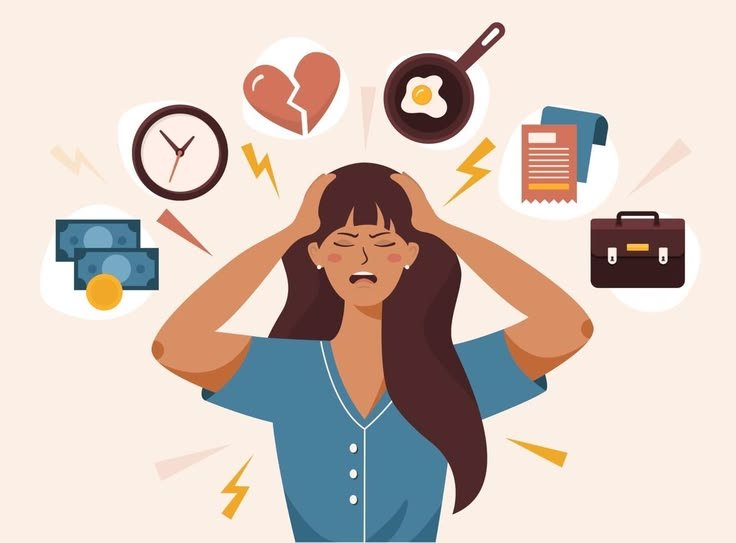
One of the most important distinctions in understanding mental health exhaustion is the difference between being physically tired and being mentally depleted. They feel superficially similar — both involve a desire to stop, to rest, to disengage. But their causes, their mechanisms, and their solutions are fundamentally different.
Physical tiredness is primarily muscular and metabolic. Your muscles have depleted their glycogen stores. Your body needs calories and sleep to replenish them. This is a relatively straightforward biological process. Sleep well for two nights, eat properly, avoid strenuous activity, and physical fatigue typically resolves. Most people understand this intuitively because it follows a predictable pattern.
Mental exhaustion works differently. It involves the dysregulation of neurotransmitter systems — the chemical messengers that allow different parts of your brain to communicate. It involves the hyperactivation of the amygdala — your brain’s threat-detection center — and the under-functioning of the prefrontal cortex. It involves elevated cortisol levels that, when chronically sustained, begin to damage the hippocampus — your brain’s memory center. It cannot be fixed by one good night of sleep. It builds gradually over months and years, and it recovers on a similarly extended timeline. The most dangerous thing about mental exhaustion is that by the time you recognize it, it has usually been building for far longer than you realized.
3. The 12 Real Signs You Are Mentally Exhausted — Not Just Tired
Mental health burnout and exhaustion presents differently in different people, but research has identified consistent patterns that appear across populations. Read through these carefully and honestly — not as a diagnostic checklist, but as a way of recognizing your own experience in a framework that makes sense.
01. You wake up exhausted even after a full night’s sleep
Mental exhaustion is not fixed by sleep the way physical tiredness is. You can sleep 9 hours and wake up feeling like you haven’t slept at all — because the problem is not in your muscles. It’s in your neurochemistry.
02. Small decisions feel overwhelming
Decision fatigue is one of the most documented signs of mental depletion. When your prefrontal cortex is running low, even choosing what to eat for breakfast can trigger genuine anxiety and paralysis.
03. You feel emotionally numb or detached
Things that used to make you happy, excited, or moved leave you feeling flat. This is your brain’s protective mechanism — when emotional processing capacity runs out, the brain begins to shut down non-essential emotional responses.
04. You snap at people for small reasons
Irritability is not a character flaw. It is what happens when your emotional regulation system — which lives in the prefrontal cortex — is too depleted to manage normal frustrations. Your filter breaks down before your patience does.
05. You can’t concentrate or focus for extended periods
Sustained attention requires significant cognitive resources. When those resources are depleted, focus becomes genuinely difficult — not because you’re distracted or lazy, but because the neural machinery for sustained concentration is literally running low on fuel.
06. You forget simple things you normally wouldn’t forget
Memory lapses during mental burnout are not early dementia. They result from elevated cortisol suppressing hippocampal function — your brain’s memory encoding center literally becomes less efficient under chronic stress.
07. You feel dread about tasks you used to enjoy
When even things you once loved start to feel like obligations, that is a significant warning sign. The motivational system — driven by dopamine — is one of the first systems to show depletion under chronic stress.
08. You feel physically ill without an obvious medical cause
Headaches, digestive problems, muscle tension, frequent illness — these are your body’s physical manifestation of chronic stress. The immune system, gut microbiome, and inflammatory response are all directly affected by sustained mental stress.
09. You feel cynical or hopeless about things that used to matter
Cynicism is burnout’s psychological armor. When the brain cannot sustain optimism and engagement, it defaults to protective detachment. It feels like wisdom. It is actually depletion.
10. You can’t wind down even when you have time to rest
A hyperactivated nervous system cannot simply switch off. You might sit on the sofa trying to rest but find your mind racing, your body tense, your thoughts not settling. Rest has become a skill you’ve forgotten how to access.
11. You feel like you’re going through the motions
Depersonalization — the feeling of watching your own life from a distance, of being present but not really there — is a documented response to severe mental exhaustion. It is your brain creating psychological distance from an overwhelming load.
12. You feel guilty for not doing more even when you’re already doing everything
The guilt that accompanies mental exhaustion is one of its most cruel features. The same high standards and drive that contributed to your burnout now turn inward and attack you for not being able to sustain an unsustainable pace.
4. What Mental Health Burnout Actually Does to Your Brain — The Neuroscience
Mental health burnout is not a vague psychological state. It produces measurable, documented changes in brain structure and function. Understanding these changes explains why willpower alone cannot overcome burnout — and why genuine recovery requires a fundamentally different approach.
When your brain is under chronic stress, a cascade of neurobiological changes begins that can, over time, cause measurable structural and functional changes. Understanding these changes is important because it removes the moral dimension from mental health exhaustion and burnout — this is not about effort or character. It is about biology.
The Amygdala Gets Louder. The amygdala is your brain’s threat-detection and emotional processing center. Under chronic stress, the amygdala becomes hyperreactive — firing more easily and more intensely in response to stimuli that wouldn’t normally trigger a strong response. This is why small things feel catastrophic when you’re burned out. Your threat radar is set to maximum sensitivity.
The Prefrontal Cortex Goes Quiet. Simultaneously, the prefrontal cortex — which normally regulates the amygdala’s outputs, helps you think rationally, make decisions, and control impulses — becomes underactive under chronic stress. The regulatory system weakens at the exact moment the alarm system intensifies. This is why people in burnout make worse decisions, lose their temper more easily, and feel unable to think clearly.
Cortisol Damages the Hippocampus. Cortisol — the primary stress hormone — is necessary and helpful in acute doses. But chronically elevated cortisol actively suppresses hippocampal function and, in cases of severe prolonged stress, can reduce hippocampal volume. The hippocampus is central to memory formation and emotional regulation. This is why chronic stress causes both memory problems and emotional dysregulation — the same structure is responsible for both.
Dopamine and Serotonin Become Dysregulated. Dopamine drives motivation, anticipation, and the experience of reward. Serotonin regulates mood, emotional stability, and the sense that things are basically okay. Under chronic stress, both systems become dysregulated — which is why burned-out people lose motivation, stop finding pleasure in things they used to enjoy, and experience a persistent flatness of mood that doesn’t respond to obviously good things happening.
“Burnout is not a sign of weakness. It is a sign that you have been strong for far too long without support. The brain is not infinite. It runs on chemistry. And chemistry runs out.”
— Dr. Herbert Freudenberger, psychologist who first coined the term “burnout” in 1974
5. Decision Fatigue: Why the Smallest Choices Feel Impossible When You’re Burned Out

Decision fatigue is one of the most well-documented aspects of mental health exhaustion, and understanding it changes the way you relate to yourself when you’re burned out. The research is clear: the human brain has a finite capacity for making quality decisions within a given time period. Every decision you make — from what to eat for breakfast to whether to respond to a difficult email — draws on the same cognitive resource pool.
A landmark study by Roy Baumeister and colleagues, replicated many times since, found that people’s ability to make good decisions, exercise self-control, and resist temptation deteriorates measurably over the course of a day as the cognitive resource pool depletes. Famous research on Israeli judges found that the percentage of favorable parole decisions dropped from roughly 65% at the start of a session to nearly 0% just before a break — and reset to 65% after the break. The judges were not becoming more punitive by philosophy. They were becoming cognitively depleted.
When you are experiencing chronic mental burnout, you begin each day with a depleted resource pool rather than a full one. The decisions that you would normally make easily and quickly — what to cook for dinner, whether to reply to a text, how to respond to a colleague’s email — draw disproportionately on a resource that is already nearly empty. The paralysis, the avoidance, the inability to make even simple choices: this is decision fatigue in its chronic form. You are not being dramatic. Your brain is genuinely running out of the cognitive fuel that decisions require.
6. Memory Lapses and Brain Fog: What’s Actually Happening in Your Head

Memory lapses and brain fog during mental burnout are not signs of early dementia or intellectual decline. They are direct consequences of elevated cortisol suppressing hippocampal function — a well-documented and reversible effect of chronic stress on brain chemistry.
If you’ve been experiencing mental health exhaustion and burnout, you have almost certainly noticed changes in your memory. Forgetting where you put things. Blanking on names you know perfectly well. Walking into a room and having no idea why you went there. Losing your train of thought mid-sentence. Struggling to retain information you just read. This is brain fog — and it is one of the most distressing and least understood aspects of mental burnout.
Brain fog during mental exhaustion has two primary neurological mechanisms. First, chronically elevated cortisol directly suppresses hippocampal function — the hippocampus is responsible for encoding new memories and retrieving existing ones, and cortisol essentially tells it to stand down in favor of immediate threat-response. Second, the sustained high cognitive load of burnout means that your working memory — the mental “scratch pad” where you hold and manipulate information in real time — is chronically overloaded and begins dropping information.
Critically: this is reversible. The hippocampus is one of the few brain structures capable of neurogenesis — growing new neurons — in adult humans. Research shows that the cortisol-induced suppression of hippocampal function begins to reverse with adequate rest, reduced stress load, regular aerobic exercise, and proper sleep. Your memory lapses are not permanent. They are a symptom. And symptoms respond to treatment.
7. Emotional Numbness: When You Stop Feeling Everything — Even the Good Things
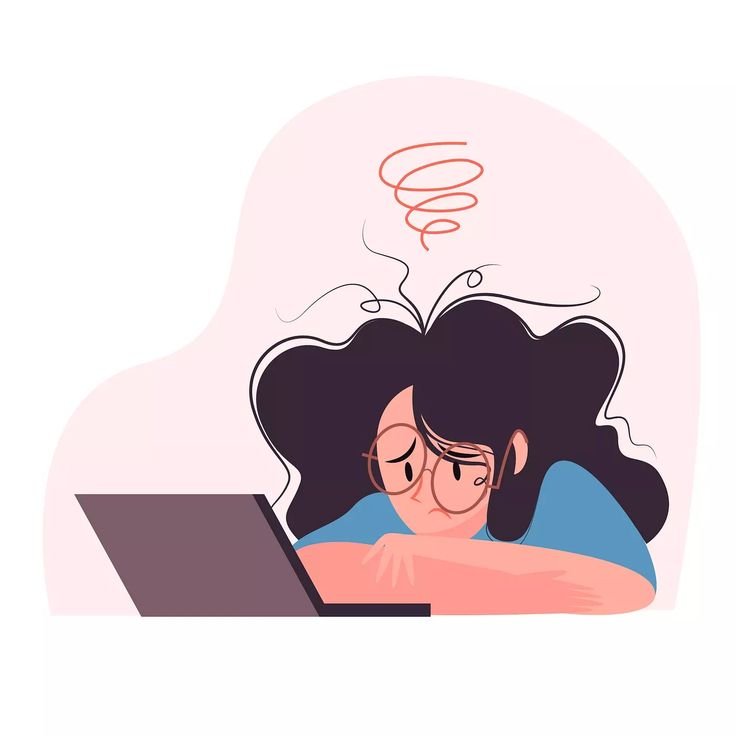
Emotional numbness is one of the most confusing and frightening aspects of mental health burnout. You might find yourself at a family gathering, at a concert, at your child’s school performance, watching something that used to fill you with joy — and feeling nothing. Not boredom. Not sadness. Just a flat, grey absence of feeling. And then you feel guilty for not feeling, which layers a second emotional problem on top of the first.
Emotional numbness during burnout is not a sign that you don’t care. It is your brain’s protective response to emotional overload. When the emotional processing system has been running at maximum capacity for too long — managing stress, suppressing difficult feelings, maintaining composure in situations that require it, performing emotional labor — it begins to shut down non-essential emotional processing to preserve core function.
Think of it like a circuit breaker. When more electrical current flows through a circuit than it can safely handle, the breaker trips — cutting power to prevent permanent damage. Emotional numbness is your brain’s circuit breaker. It is not a character defect. It is not indifference. It is an automatic protective mechanism that kicks in when your emotional regulation system has been overloaded beyond its sustainable capacity.
The good news: emotional numbness is one of the first things to lift as genuine recovery from mental burnout progresses. People who have gone through the process of authentic recovery consistently describe a moment — sometimes weeks or months into recovery — when they cry at something unexpected. When music moves them again. When they feel genuine pleasure in a simple moment. This is not sentimentality. It is the circuit breaker resetting.
8. The Hidden Causes of Mental Exhaustion Nobody Talks About
When people talk about the causes of mental health burnout, they usually mention overwork and long hours. These are real contributors. But there is a much wider range of causes that are less often discussed — many of which are invisible to the people around you, and sometimes even to yourself.
■ HIDDEN CAUSES OF MENTAL EXHAUSTION — THE COMPLETE LIST
► Emotional labor — managing other people’s feelings, conflicts, and needs as part of your daily role
► Chronic low-grade conflict — ongoing interpersonal tension that never fully resolves
► Perfectionism — the cognitive load of continuously monitoring your own performance against impossibly high standards
► Caregiver exhaustion — the invisible weight of caring for children, elderly parents, or unwell partners
► Financial anxiety — the chronic low-level stress of money concerns, even when stable
► Information overload — the continuous processing demand of social media, news, and digital communication
► Identity pressure — feeling like you must perform a version of yourself that doesn’t match your actual experience
► Unprocessed grief or trauma — emotional weight that hasn’t been acknowledged or worked through
► Chronic sleep insufficiency — even small, ongoing sleep deficits compound dramatically over months
► Physical health issues — managing chronic pain, illness, or health anxiety adds enormous cognitive load
► Lack of meaning or autonomy — working hard without feeling like it matters or that you have any control
9. How Mental Health Burnout Quietly Destroys Your Relationships
One of the most painful aspects of mental exhaustion and burnout is what it does to the relationships that matter most to you. And this is particularly cruel because the people you love most — your partner, your children, your closest friends — are typically the ones who receive the worst of what burnout produces.
This happens for a specific reason: the depleted prefrontal cortex’s emotional regulation failures tend to surface first in relationships where we feel safe enough to stop performing. At work, at social events, in public contexts, people in burnout often manage to maintain a relatively functional appearance because the cognitive and social demands of those contexts trigger enough adrenaline to temporarily compensate for underlying depletion. At home, with the people they trust, the mask comes off — and what comes out is irritability, withdrawal, emotional unavailability, and a flatness that partners and children experience as rejection.
If you recognize this pattern — if you are noticing that you snap at people you love, that you withdraw when you should be present, that your closest relationships are bearing the weight of what burnout is doing to you — the most important thing to know is that this is a symptom, not a character trait. You are not a bad partner, parent, or friend. You are an exhausted human being whose nervous system is overwhelmed. Those are very different things — and only one of them responds to blame and guilt.
“You cannot pour from an empty cup. And blaming yourself for being empty doesn’t fill the cup — it just adds shame to depletion.”
— A phrase widely shared in mental health communities, capturing the fundamental problem with self-blame as a response to burnout
10. Your Body’s Alarm System: The Physical Signs of Mental Burnout
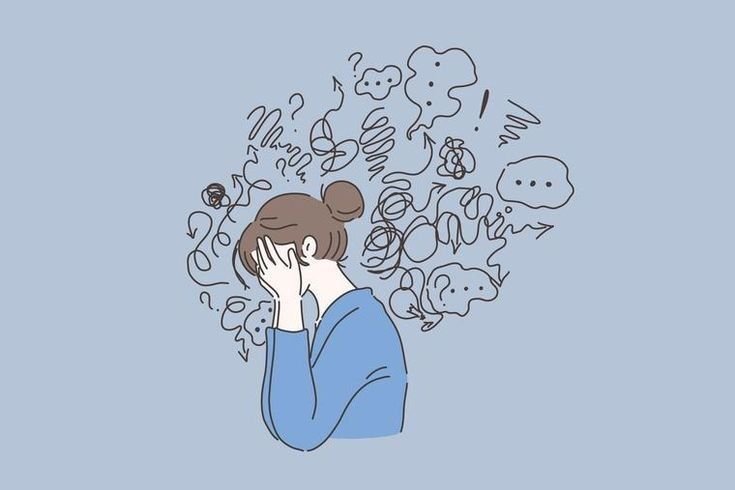
Mental health burnout is never purely psychological. The mind and body are not separate systems — they are deeply, bidirectionally connected through the nervous system, the endocrine (hormonal) system, and the immune system. Chronic mental stress produces real, measurable physical symptoms. If you have been experiencing any of these without a clear physical explanation, they may be your body trying to tell you something your mind hasn’t fully acknowledged yet.
Chronic headaches and migraines are one of the most common physical signs of sustained mental stress — caused by muscle tension in the neck and shoulders, as well as by the neurological effects of chronically elevated cortisol. Digestive problems — IBS, nausea, appetite changes, stomach pain — reflect the gut-brain axis: the gut has its own extensive nervous system and is profoundly sensitive to psychological stress. Immune suppression means that people in burnout get sick more frequently and recover more slowly.
Perhaps most importantly, the relationship between mental exhaustion burnout and cardiovascular health is well-established and serious. A meta-analysis published in the European Heart Journal found that job-related burnout was associated with a significantly increased risk of coronary heart disease and stroke. The mechanism is largely cortisol-mediated: chronically elevated stress hormones promote inflammation, increase blood pressure, and accelerate the atherosclerotic process. Mental health is not separate from physical health. It is physical health.
11. Why “Pushing Through” Makes Mental Exhaustion Worse — Not Better
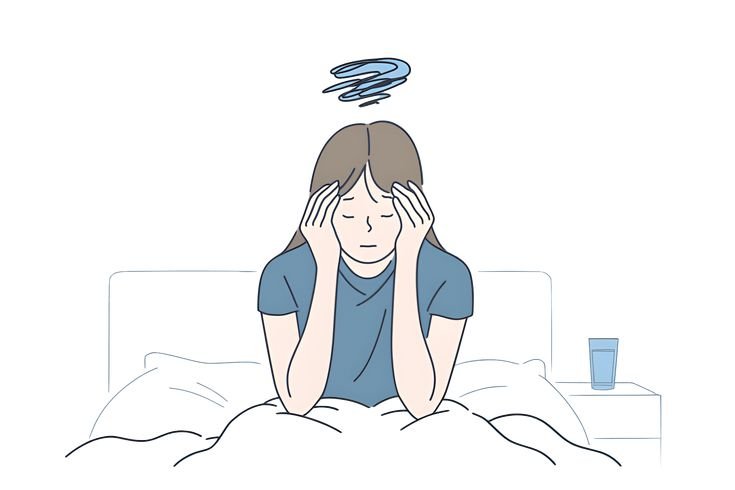
Rest is not weakness. It is the mechanism through which recovery happens. Pushing through mental exhaustion without rest is like driving a car with the warning lights on and no oil — the problem does not resolve with effort. It gets worse.
The cultural instinct to push through difficulty is deeply embedded in most high-achieving people and in most workplaces. It is presented as strength, resilience, and professionalism. In the context of physical tiredness — a short-term, acute condition — it can sometimes be appropriate. In the context of mental health burnout and exhaustion, it is almost always counterproductive and sometimes genuinely dangerous.
Here is why: when you push through mental exhaustion without genuine recovery, you are asking a depleted neurochemical system to continue performing at high demand. The brain responds by increasing cortisol production further — essentially taking out a biological loan to maintain function. This works in the short term. In the medium term, cortisol-mediated suppression deepens, hippocampal function deteriorates further, the amygdala becomes even more reactive, and the prefrontal cortex loses even more of its regulatory capacity. You feel temporarily functional, then crash harder.
The people who push through burnout longest — the ones who are praised for their dedication, who never seem to slow down, who are held up as examples of commitment — are often the ones who ultimately experience the most severe crashes. The length of time you can sustain performance through willpower in a state of burnout is not a measure of your strength. It is a measure of the depth of the crash that is coming.
12. The Science-Backed Recovery Plan That Actually Works for Mental Burnout
Recovering from mental health exhaustion and burnout is not a weekend project. It is a process that typically takes months, sometimes longer, depending on the severity and duration of the burnout. But it is entirely possible — and the research on what makes recovery effective is clear. These are the interventions with the strongest evidence base.
① Genuine Rest — Not Just Stopping Work
There is a difference between stopping work and genuine rest. Scrolling your phone after work is not rest. Watching three hours of Netflix is not rest. Genuine rest for the nervous system includes slow walking in nature, quiet reading of something non-demanding, mindful breathing, gentle movement, and — critically — significant periods of time with no information input at all. The brain needs silence to process, consolidate, and repair. Research on the Default Mode Network shows that this internal processing is neurologically active and requires undistracted quiet time to function properly.
② Sleep Quality Over Sleep Quantity
The brain’s glymphatic system — its waste-clearance mechanism — operates primarily during deep sleep, flushing out the metabolic byproducts that accumulate during a day of high cognitive demand. Deep sleep also facilitates memory consolidation and emotional processing of the day’s experiences. For burnout recovery, sleep hygiene is not optional. Consistent sleep and wake times, a cool dark room, no screens for 60 minutes before bed, and limiting alcohol (which suppresses deep sleep stages) are evidence-based interventions that improve sleep quality significantly.
③ Aerobic Exercise — The Most Powerful Brain Medicine
The research on exercise and mental health is among the most consistent in all of psychology. Aerobic exercise — 30 minutes, at moderate intensity, most days of the week — increases BDNF (Brain-Derived Neurotrophic Factor), which promotes hippocampal neurogenesis, improves prefrontal cortex function, regulates cortisol, and increases dopamine and serotonin availability. A 2023 meta-analysis in the British Journal of Sports Medicine found aerobic exercise to be 1.5 times more effective than standard treatments including medication and therapy for depression and anxiety. When you are burned out, exercise feels like the last thing you can do. It is actually the thing most likely to begin reversing the neurobiology of your burnout.
④ Reduce the Load Before You Try to Build Resilience
Most advice about burnout focuses on building resilience — meditation apps, gratitude journals, breathing exercises. These can be helpful. But they are not effective when the underlying load that caused the burnout has not been addressed. Before you can rebuild your capacity, you need to reduce what you are asking of it. This means identifying the primary sources of cognitive and emotional drain in your life and making concrete changes to reduce them. This may mean having difficult conversations. It may mean saying no to things. It may mean changing something significant. Resilience-building on top of an unreduced overload is like bailing water from a boat without fixing the hole.
⑤ Social Connection — The Nervous System Regulation You Can’t Buy
Polyvagal theory, developed by Dr. Stephen Porges, identifies co-regulation — the calming of one person’s nervous system through proximity to another person’s calm, regulated nervous system — as one of the most powerful mechanisms for stress recovery available to humans. In practical terms: time spent with people who genuinely understand and care about you, where you do not have to perform or manage impressions, is neurologically restorative in ways that solo activities are not. If isolation has been part of your burnout pattern, reversing it — gradually, gently, without pressure — is an important part of recovery.
“Recovery from burnout is not about getting back to who you were before. It is about building something more sustainable than what you had. The person who burned out needed things to change. Recovery is the beginning of that change.”
— Dr. Christina Maslach, psychologist and creator of the Maslach Burnout Inventory, the most widely used research tool for measuring burnout
13. When to Get Professional Help for Mental Health Exhaustion
The self-directed strategies above are evidence-based and genuinely effective for mental health burnout and exhaustion. But there are circumstances in which professional support is not just helpful — it is necessary. Please consider reaching out to a mental health professional if any of the following are true for you.
⚠ PLEASE SEEK PROFESSIONAL SUPPORT IF:
► You are experiencing thoughts of harming yourself or ending your life
► Your exhaustion has been severe for more than 3–4 weeks with no improvement
► You are unable to carry out basic daily functions — eating, hygiene, getting out of bed
► You are using alcohol or substances to manage your emotional state
► Your mental state is affecting your ability to care for children or dependents
► You experience dissociation, paranoia, or loss of touch with reality
► You have a history of depression, anxiety, trauma, or other mental health conditions
If you are in crisis right now, please reach out to a crisis line in your country. In the US, you can call or text 988 (Suicide and Crisis Lifeline) 24 hours a day. In the UK, call 116 123 (Samaritans). In most countries, your primary care doctor is also an excellent first point of contact — and mental health conditions deserve the same serious medical attention as any physical illness.
Cognitive Behavioral Therapy (CBT), Acceptance and Commitment Therapy (ACT), and trauma-informed therapies have strong evidence bases for burnout-related presentations. Working with a therapist does not mean you are weak. It means you are taking seriously something that deserves serious attention.
14. Frequently Asked Questions About Mental Health Exhaustion and Burnout
❓ How do I know if I have mental exhaustion or just regular tiredness?
The key distinction is duration and the response to rest. Regular tiredness typically resolves with one or two nights of good sleep and a day of genuine rest. Mental exhaustion persists despite rest — you may sleep 9 hours and wake up feeling as depleted as when you went to bed. Other indicators of mental exhaustion rather than physical tiredness include emotional blunting (feeling nothing when you should feel something), cognitive difficulties like forgetting simple things and struggling to make decisions, persistent irritability that is out of proportion to its triggers, and a sense of detachment from your own life. If these have been present for more than two to three weeks and are not improving with rest, mental exhaustion is the more likely explanation.
❓ How long does it take to recover from mental burnout?
Recovery timelines vary significantly based on the severity and duration of burnout. Mild burnout that is caught early may improve meaningfully within a few weeks of reduced load and genuine rest. Moderate burnout typically requires three to six months of consistent recovery practice before significant improvement is felt. Severe burnout — particularly when it involves several years of sustained overload — may require six months to two years of active recovery, often including professional support. The single most important factor in recovery speed is the willingness to actually reduce the underlying load, rather than simply adding recovery practices on top of an unchanged situation. Rest and exercise help enormously, but they cannot fully compensate for a continuing overload.
❓ Is mental exhaustion the same as depression?
Mental exhaustion and burnout are not the same as clinical depression, but they share significant overlap and one can trigger the other. The primary distinction is typically in the cause: burnout is directly linked to a specific overload situation and tends to improve when that situation changes, while depression is a clinical condition that can occur without an obvious external trigger and requires specific treatment. Burnout that is not addressed can develop into clinical depression — research suggests that severe burnout triples the risk of developing depression. Some people experience both simultaneously. If you are unsure whether what you are experiencing is burnout, depression, or both, a mental health professional can help make this distinction — and the distinction matters because the treatment approaches, while overlapping, are not identical.
❓ Can mental exhaustion cause physical symptoms?
Yes, significantly. Mental exhaustion and burnout produce measurable physical symptoms through multiple biological pathways. Chronically elevated cortisol increases inflammation, raises blood pressure, suppresses immune function, and disrupts digestive processes. Common physical symptoms of mental burnout include persistent headaches, muscle tension (particularly in the neck and shoulders), digestive problems, frequent illness or slow recovery from illness, disrupted appetite, skin problems, and cardiovascular symptoms including palpitations and chest tightness. Research has found that severe burnout is associated with a significantly increased risk of cardiovascular disease, type 2 diabetes, and musculoskeletal disorders. If you are experiencing unexplained physical symptoms that have not responded to medical treatment, discussing your stress and mental health history with your doctor is worthwhile.
❓ Why do I feel emotionally numb during burnout?
Emotional numbness during burnout is your brain’s protective response to sustained emotional overload. When the emotional processing systems of the brain — primarily the limbic system and the prefrontal cortex — have been operating at maximum capacity for an extended period, the brain begins to downregulate emotional processing to conserve cognitive resources for basic functioning. This feels like a flatness or greyness — an inability to feel moved, excited, joyful, or even appropriately sad. It is not a sign that you have lost your capacity for emotion permanently. It is a sign that your emotional system is temporarily exhausted and protecting itself. As genuine recovery progresses, emotional responsiveness typically returns — and many people in recovery describe this return as one of the most meaningful signs that healing is happening.
❓ What is the fastest way to recover from mental exhaustion?
There is no instant recovery from genuine mental exhaustion, but the interventions with the strongest and fastest evidence base are: significantly reducing your cognitive and emotional load (this is the most important step and the one most often avoided), prioritizing sleep quality through consistent sleep schedules and good sleep hygiene, beginning or maintaining regular aerobic exercise (even 20 minutes of walking significantly improves brain chemistry), spending time in nature, and reducing or eliminating alcohol and stimulants which interfere with sleep quality and neurochemical balance. Avoiding the temptation to “catch up” on everything that was deprioritized during burnout — which creates a secondary overload just as you are beginning to recover — is also critical. If symptoms are severe or not improving after a few weeks of reduced load, professional support from a therapist or doctor should be sought.
A Final Thought, From One Human to Another
If you have read this far, it is probably because something in this article resonated with what you are experiencing. I want you to know something: what you are going through is real. It is not weakness. It is not laziness. It is not a character flaw. It is what happens to human beings when they carry more than they were designed to carry for longer than any system can sustain.
You deserve rest not as a reward for performance but as a basic human need. You deserve support not as a concession to weakness but as recognition that you are a person, not a machine. And you deserve to recover — fully, genuinely, without guilt — from whatever has brought you to this point.
Recovery is not getting back to normal. It is building something better than normal. And it begins with understanding what has actually been happening — which you now do.
▪ RELATED MENTAL HEALTH ARTICLES
→ The Hidden Signs of Anxiety That Nobody Talks About
→ How to Actually Stop Overthinking: The Science-Backed Guide
→ What Sleep Deprivation Actually Does to Your Brain
→ High-Functioning Depression: When You Look Fine But Feel Empty
→ Emotional Intelligence: The Complete Research-Backed Guide
▤ SOURCES & RESEARCH
▸ World Health Organization — ICD-11 Burnout Classification (2019)
▸ Maslach, C. & Leiter, M.P. — The Truth About Burnout (Jossey-Bass, 1997)
▸ Freudenberger, H.J. — Staff Burn-Out, Journal of Social Issues (1974)
► Baumeister, R.F. et al. — Ego Depletion: Is the Active Self a Limited Resource? (1998)
▸ Porges, S.W. — The Polyvagal Theory (W.W. Norton, 2011)
▸ Singh, B. et al. — Effectiveness of physical activity interventions for depression and anxiety, British Journal of Sports Medicine (2023)
▸ European Heart Journal — Burnout and Cardiovascular Disease Risk Meta-Analysis (2020)
▸ PLOS ONE — Neural correlates of burnout in prefrontal cortex (2022)