
Introduction: The Town That Fell Into Darkness
In the year 1692, the quiet Puritan town of Salem Village in Massachusetts became the center of one of the most terrifying events in history — the Salem Witch Trials.
A storm of fear, faith, and falsehood swept through the people, turning ordinary neighbors into enemies and transforming superstition into death sentences.
This was not just about witchcraft — it was about fear’s power over truth, and how panic can destroy even the most devout communities.
What Were the Salem Witch Trials?
The Salem Witch Trials were a series of hearings and prosecutions of people accused of witchcraft in colonial Massachusetts between February 1692 and May 1693.
More than 200 people were accused, 30 were convicted, and 20 were executed — 19 by hanging and one by pressing to death.
It began with mysterious illnesses among young girls and ended in public executions.
Today, the Salem Witch Trials are remembered as a symbol of mass hysteria, religious extremism, and injustice.
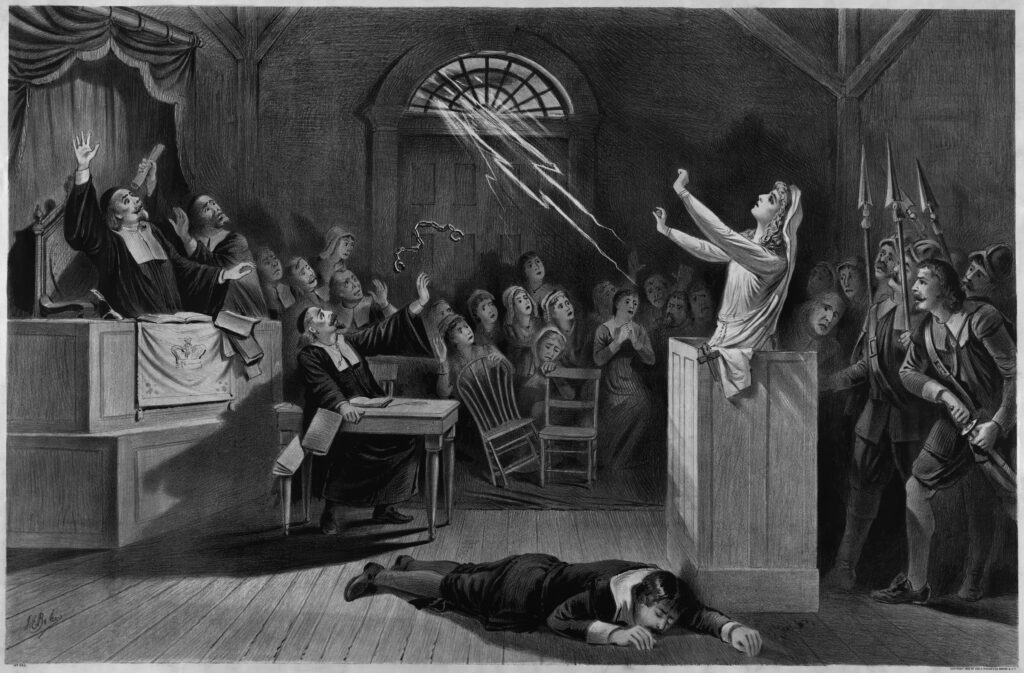
A Town Obsessed With Faith and Sin
Salem was a deeply religious Puritan settlement.
The Puritans believed the Devil was constantly seeking ways to corrupt their souls.
They viewed sickness, bad crops, or sudden deaths as signs of Satan’s work.
In a world where science was barely understood, supernatural explanations ruled.
So, when strange fits and screams began in the village, people did not question medicine — they questioned morality.
The Children Who Started It All
In January 1692, Betty Parris (9) and Abigail Williams (11) — the daughter and niece of Reverend Samuel Parris — began having violent fits.
They screamed, convulsed, and claimed invisible spirits were attacking them.
When questioned by the minister, they accused three women of witchcraft:
- Tituba, an enslaved woman from Barbados
- Sarah Good, a poor beggar
- Sarah Osborne, a sick widow
Their names spread quickly across Salem — and fear followed close behind.
The Confession That Fueled the Fire
During her interrogation, Tituba confessed under pressure.
She claimed the Devil had appeared to her and forced her to serve him.
She described seeing black dogs, red cats, and strange books of names — and said other witches were working in Salem too.
This confession sent shockwaves through the town.
If one witch existed, then maybe dozens more were hiding.
The fear became unstoppable.
The Witch Hunt Begins
By March 1692, dozens of people were arrested.
Accusations came from everywhere — a small quarrel, a failed harvest, a crying baby could be blamed on witchcraft.
People believed that the Devil could appear in “spectral form” — meaning a ghostly image of the accused could harm others even if their body was elsewhere.
So, even dreams and visions were used as evidence in court.
It was a justice system built on fear, not facts.
Neighbors Turn on Neighbors
The Salem Witch Trials destroyed trust in the community.
Anyone could be accused — the old, the poor, the sick, or even respected churchgoers.
Friendships broke.
Families betrayed each other.
Innocent people confessed to crimes they never committed just to save themselves.
One of the most tragic parts was that children were often the main witnesses.
Their imaginations and lies sealed the fates of adults.
The Court of Oyer and Terminer
In May 1692, Governor William Phips created a special court known as the Court of Oyer and Terminer (“to hear and determine”).
Judges like Samuel Sewall, John Hathorne, and William Stoughton led the hearings.
The evidence they used was unthinkable today: dreams, rumors, and emotional fits were considered proof.
Those who denied witchcraft were executed.
Those who confessed were spared but lived in shame.
There was no way to win.
The First Execution: Bridget Bishop
On June 10, 1692, Bridget Bishop became the first person executed for witchcraft in Salem.
She was accused of wearing strange clothes and gossiping too much — behaviors that Puritans saw as sinful.
Her death opened the gates to more executions.
By September, 19 people had been hanged at Gallows Hill, and one man, Giles Corey, was crushed to death with heavy stones for refusing to speak.
His last words became legendary:
“More weight.”
The Victims of Salem
The victims of the Salem Witch Trials came from all walks of life:
- Bridget Bishop – executed June 10, 1692
- Rebecca Nurse – a 71-year-old respected woman, executed July 19
- Sarah Good – executed July 19, known for her final curse: “God will give you blood to drink.”
- Martha Carrier, John Proctor, George Burroughs, and many others followed.
In total, 20 people were executed and 5 others died in jail.
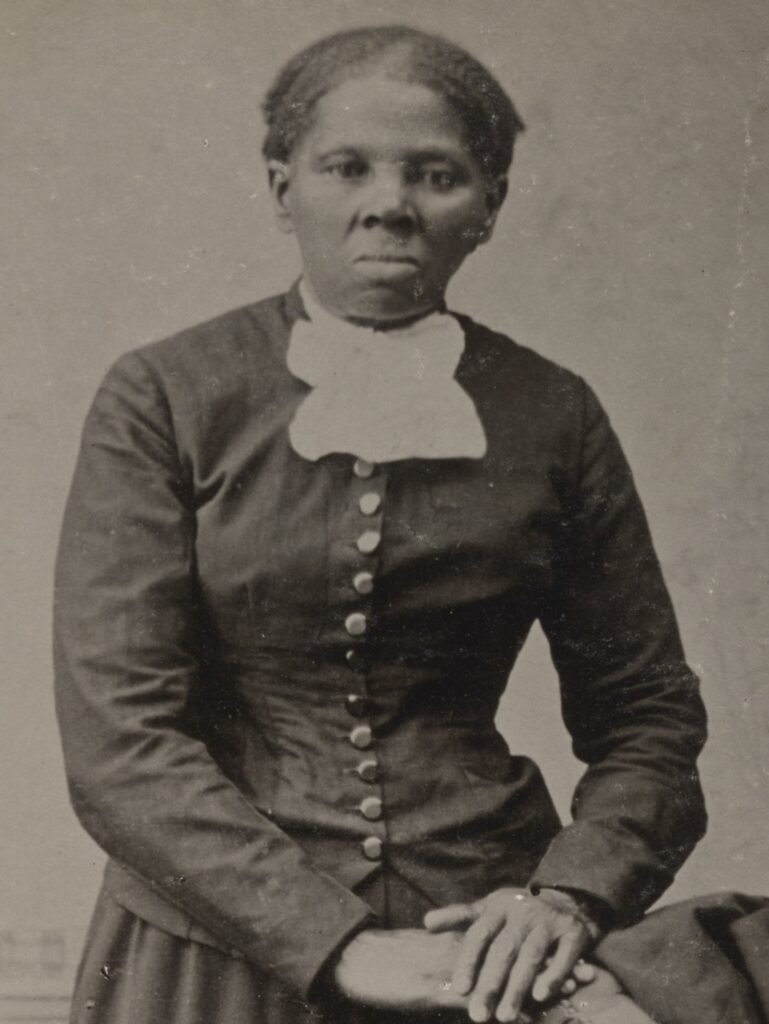
The Turning Point: Regret and Realization
By late 1692, the hysteria began to collapse.
Minister Increase Mather publicly criticized the trials, saying:
“It is better that ten witches escape than that one innocent person be condemned.”
Governor Phips finally listened.
He disbanded the special court in October 1692 and later declared a Day of Repentance.
Families of the victims were given small compensations — but the pain and guilt remained forever.
The Lessons of Salem Witch Trials
The Salem Witch Trials are more than a tragic event — they are a mirror of human fear.
They teach us that when society replaces truth with emotion, even good people can do evil things.
Historians often compare Salem to modern-day “witch hunts” — times when mass panic and misinformation lead to injustice.
The trials remind us to question evidence, seek truth, and protect the innocent, no matter how strong the fear becomes.
Legacy and Modern Reflection
Today, the town of Salem, Massachusetts honors the victims with memorials and museums.
The site where the hangings took place — Gallows Hill — is now a place of remembrance.
Every Halloween, thousands of people visit Salem to explore the myths and the truth behind the witch trials.
But the message remains powerful:
“The real witchcraft was never in spells — it was in fear, ignorance, and blind belief.”
Conclusion: Fear, Lies, and the Death of Reason
The Salem Witch Trials were not just about witches — they were about the human mind under pressure.
When people stopped thinking critically, fear became their truth.
The story of Salem reminds us that the line between good and evil is thin — and once fear enters, reason dies.
Even centuries later, the echoes of Salem whisper the same warning:
“Beware the danger of believing everything you fear.”
Image Credit: CC BY-SA 3.0
Thank you for reading!