For thousands of years, Egypt has been a land of wonders — its golden deserts, magnificent pyramids, and secrets buried deep under the sands. Among all these mysteries, none is more chilling than the story of the cursed mummies.
Legends claim that anyone who dares to disturb the eternal rest of the Pharaohs will meet an untimely and tragic end. But is this just a myth, or is there truth hidden behind the curse?
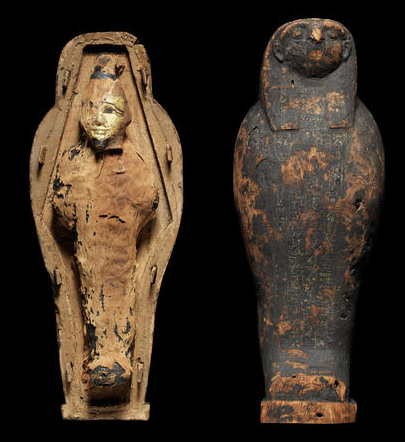
The Birth of the Curse
The belief in the mummy’s curse grew stronger in the early 1900s when archaeologists began opening ancient tombs. Strange accidents, sudden deaths, and mysterious illnesses followed these discoveries.
The story that shocked the entire world came in 1922 — when Howard Carter discovered the tomb of the boy king, Tutankhamun.
On the walls of the tomb was a warning: “Death shall come on swift wings to him who disturbs the king’s rest.”
Soon after, the sponsor of the excavation, Lord Carnarvon, died suddenly under bizarre circumstances. Newspapers quickly declared: The Pharaoh’s Curse is Real.
Stories That Strengthened the Legend
1. The Death of Lord Carnarvon
Carnarvon’s death was mysterious. A mosquito bite turned into a deadly infection, and as he died, Cairo was hit by a sudden blackout. Many believed this was not coincidence but the curse itself.
2. The Fate of the Excavation Team
Over the years, some members of the team suffered strange illnesses and early deaths. The media connected every tragedy to the curse, even though others from the same team lived long lives.
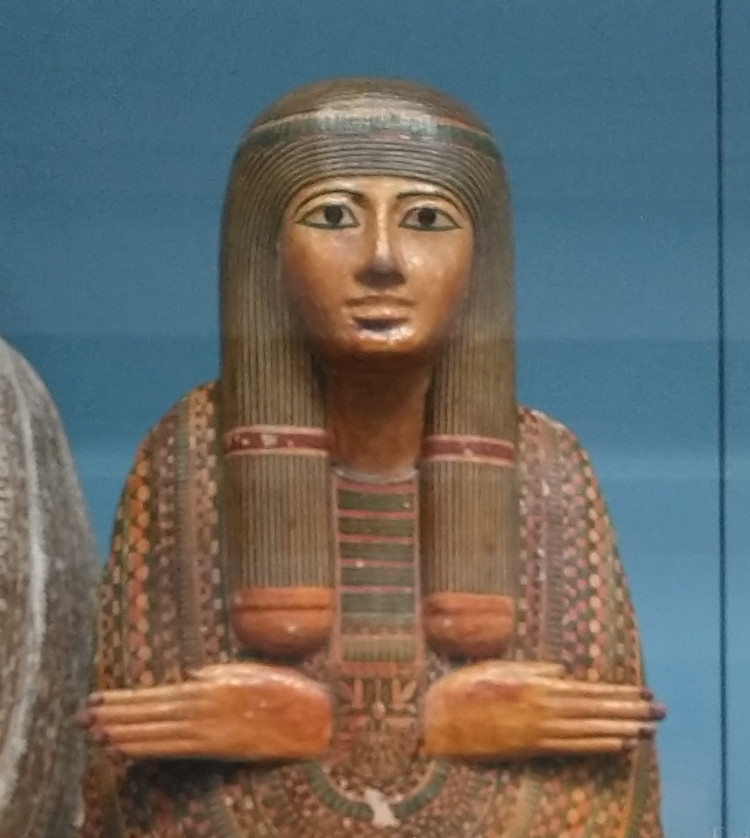
3. The “Unlucky” Mummy
In the British Museum, one particular mummy earned a dark reputation. Staff claimed it brought bad luck, accidents, and even death. Visitors reported feelings of terror while standing near it. Stories grew so strong that people began calling it “The Unlucky Mummy.”
Science or Superstition?
Scientists argue that there was no supernatural curse. Instead, the real danger came from toxic mold, bacteria, and poisonous gases sealed inside tombs for thousands of years.
Opening them without protection exposed explorers to deadly infections.
But even today, many still believe that the Pharaohs had powers strong enough to punish anyone who disturbed their eternal sleep.
Why the Curse Still Captivates Us
- Fear of the Unknown: Human nature is drawn to mystery and danger.
- Pharaohs as Gods: Ancient Egyptians believed their rulers were divine, making it believable that their power continued after death.
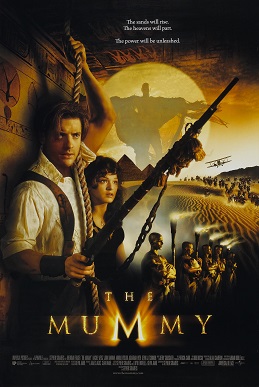
- Hollywood & Pop Culture: Movies and novels turned the curse into a worldwide obsession.
Lessons from the Mummies’ Curse
- Some mysteries should remain undisturbed.
- Ancient civilizations deserve respect.
- History is more than facts — it carries fear, faith, and unanswered questions.
FAQs about the Cursed Mummies
Q1: Is the curse of the mummies real?
Not scientifically. Most deaths can be explained by natural causes, but the timing made them appear supernatural.
Q2: Who was the most famous cursed Pharaoh?
Tutankhamun remains the most famous, as his tomb caused worldwide fear of the curse.
Q3: Did Howard Carter die from the curse?
No. He lived for 17 years after opening Tutankhamun’s tomb, which shows the curse was not universal.
Q4: Why do people still believe in it?
Because mystery sells, and many deaths remain unexplained.
Conclusion
The legend of Egypt’s cursed mummies continues to haunt the imagination of millions. Whether it was science, coincidence, or a force beyond human understanding, one fact is clear: Egypt holds secrets that even time cannot silence.
Image Credit: CC BY-SA 3.0
Thank you for reading!
Wonderful