Introduction – When Humanity Faced Its Darkest Hour
In the summer of 1945, the world witnessed destruction beyond imagination.
The Japanese cities of Hiroshima and Nagasaki were reduced to ashes within seconds. Two atomic bombs — the first and only nuclear weapons ever used in war — ended World War II but began a new chapter in human history: the nuclear age.
The official story often highlights military victory, surrender, and political necessity. But behind the headlines lies the hidden truth — the pain of survivors, the cries of children, and the scars carried by generations.
“The bomb did not just fall on Japan; it fell on humanity itself.”
The Road to the Atomic Bombings
The War Nears Its End
By July 1945, Germany had already surrendered. Japan stood isolated, weakened by years of war, blockades, and bombings. Yet, Japanese leaders refused unconditional surrender.
The United States, seeking to avoid a bloody land invasion, decided to unleash a weapon developed in secret under the Manhattan Project — a weapon so powerful it could level entire cities.
Choosing the Targets
- Hiroshima: A bustling city of 350,000, known for its military headquarters and supply depots.
- Nagasaki: An industrial port, producing ships, weapons, and ammunition.
These cities were not only strategic military points but also ideal sites to demonstrate the destructive force of the atomic bomb.
The Day Hiroshima Fell – August 6, 1945
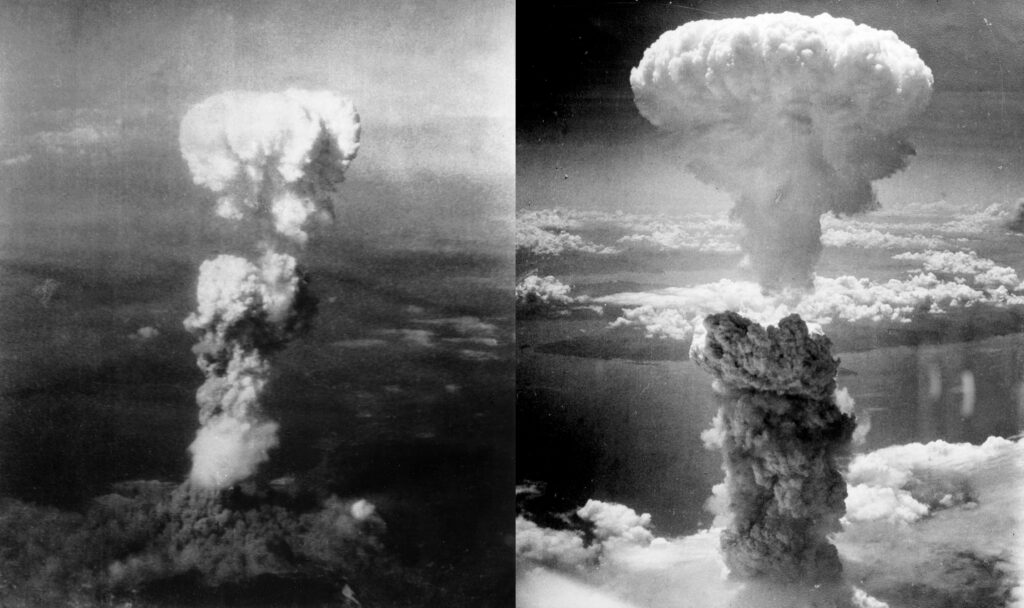
At 8:15 a.m., a B-29 bomber named Enola Gay dropped the uranium-based bomb nicknamed “Little Boy” over Hiroshima.
In an instant:
- The city vanished in a blinding flash.
- 70,000 people died instantly.
- Fires raged, shadows were burned onto walls, and rivers boiled.
- By the end of 1945, 140,000 lives were lost.
Survivors described the city as a living hell: people with skin peeling off, bodies turned to ash, children crying for water.
“In one moment, Hiroshima was a city. In the next, it was a memory.”
Nagasaki – The Second Tragedy – August 9, 1945
Just three days later, the nightmare repeated.
At 11:02 a.m., the plutonium bomb nicknamed “Fat Man” exploded over Nagasaki.
- 40,000 people died instantly.
- By the end of the year, more than 74,000 were gone.
- Valleys and hills trapped the heat, magnifying the devastation.
The survivors of Nagasaki, too, became Hibakusha — walking symbols of human suffering.
Hibakusha – The Survivors Who Carried the Pain
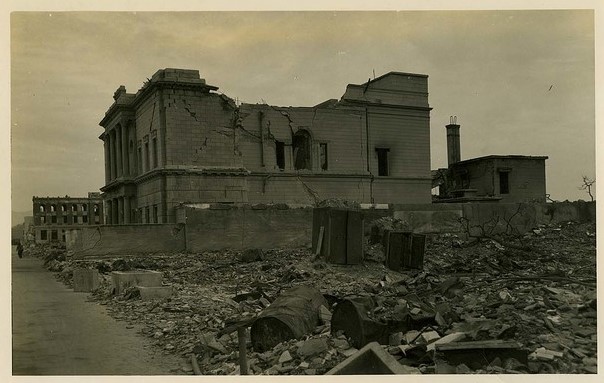
The term Hibakusha means “bomb-affected people.” Their stories reveal the hidden truth behind history’s cold statistics.
- Many suffered from severe burns, blindness, and radiation sickness.
- Families vanished in seconds; entire neighborhoods erased.
- Survivors lived with lifelong trauma, illness, and social discrimination.
One Hibakusha recalled:
“I looked around and saw people with their eyes melted shut. Skin hung from their arms. It was as if we had entered hell itself.”
For decades, these voices were silenced. Today, they remain the living conscience of humanity.
The Lingering Shadow of Radiation
Medical Consequences
Radiation left survivors with long-term illnesses:
- Leukemia, cancer, and immune disorders.
- Genetic mutations feared to pass on to children.
Psychological Scars
Hibakusha lived with survivor’s guilt, asking why they lived while others perished.
Generational Impact
Children of survivors faced stigma, marriage discrimination, and fear of hidden illnesses.
“The blast ended in seconds, but its echo lingers in the blood of generations.”
The Controversy – Was It Necessary?
Historians and leaders remain divided:
- Argument for use: The bombings forced Japan’s surrender and saved millions of potential casualties from a land invasion.
- Argument against: Japan was already close to surrender, and alternatives (like demonstrating the bomb’s power on an uninhabited island) were possible.
Many believe the second bomb, especially, was less about Japan and more about sending a warning to the Soviet Union at the dawn of the Cold War.
The debate continues, but one truth is clear: innocent civilians bore the cost of political decisions.
Hiroshima and Nagasaki Reborn
Despite unimaginable loss, both cities rose again.
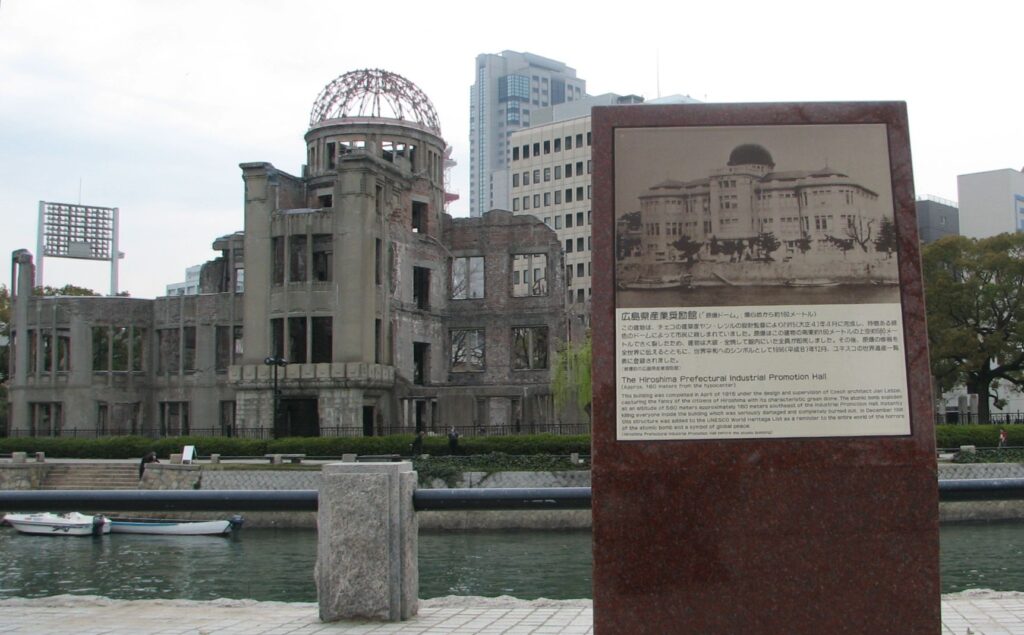
- Hiroshima: Today, it is a vibrant city with the Peace Memorial Park and the iconic Genbaku Dome, left standing as a reminder of the past.
- Nagasaki: Home to memorials, museums, and annual peace ceremonies dedicated to victims.
Every year on August 6 and 9, survivors, leaders, and children gather to light lanterns and pray for peace.
“From ashes, they built not revenge, but resilience.”
Lessons Humanity Must Never Forget
- Science without ethics leads to destruction.
- Peace must be protected at all costs.
- History repeats itself only when forgotten.
The atomic bombings are not just Japan’s tragedy — they are humanity’s warning.
Conclusion – The Voice of the Past, The Duty of the Future
The hidden truth of Hiroshima and Nagasaki is not written in military archives — it lives in the silent cries of mothers, the shadows etched on walls, and the survivors who carry scars even after decades.
The bombs ended a war, but they also began a fear that still haunts the world: the reality that mankind can destroy itself in seconds.
Yet, from that destruction rose an unshakable message: peace is not a dream, it is survival.
Today, as nations still possess thousands of nuclear weapons, the legacy of Hiroshima and Nagasaki warns us every single day. If we forget their pain, we risk repeating it.
“The true victory is not in war, but in ensuring such a war never happens again.”
Hiroshima and Nagasaki are not just history lessons — they are eternal reminders that the future of humanity depends on one choice: destruction or peace.
FAQs
Q1: How many died in Hiroshima and Nagasaki?
Over 214,000 people died by the end of 1945 from both bombings.
Q2: What does Hibakusha mean?
It means “bomb-affected people” — the survivors of Hiroshima and Nagasaki.
Q3: Why were two bombs used instead of one?
Partly to force Japan’s surrender and partly to test different bomb designs.
Q4: What memorials exist today?
Hiroshima’s Peace Memorial Park & Nagasaki Atomic Bomb Museum honor victims and advocate peace.
Image Credit: CC BY-SA 3.0
Thank you for reading!
Sach a horrible history