
Introduction
Deep within the heart of the mountains, there lies a story that has fascinated explorers and treasure hunters for centuries — the legend of The Hidden Cave of Forgotten Treasures.
It’s said to be a place where gold, jewels, and priceless artifacts sleep beneath layers of dust and stone — untouched by human hands for generations.
But behind this legend hides something far greater than wealth — a mystery that questions the thin line between truth and myth, greed and destiny.
The Discovery of the Ancient Map
It all began in the late 1800s, when a young archaeologist named Edward Langford stumbled upon an old leather-bound journal in a small coastal village.
Inside, he found cryptic drawings, ancient symbols, and coordinates that hinted at a cave hidden somewhere in the Karakoram Mountains.
The journal spoke of an expedition led by a forgotten tribe who believed the cave was sacred — a resting place for their gods.
Edward, intrigued by the promise of history and discovery, set out on a dangerous journey that would test his courage and his mind.
The Journey Through the Mountains
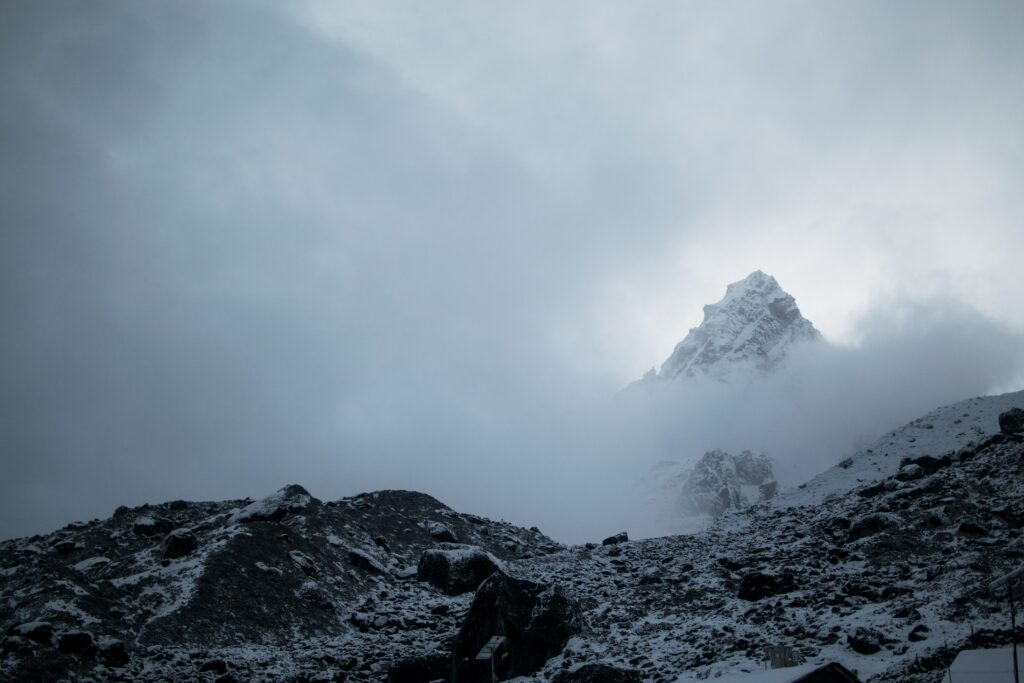
The path to the mountains was long and unforgiving. Edward and his small team of explorers fought through snowstorms, narrow ridges, and the silence of endless ice.
Each night, they camped under the stars, reading the strange symbols from the map — signs that seemed to change with the light of the moon.
After weeks of travel, one of the guides noticed a faint glow in a rock formation near a frozen stream. Upon closer inspection, it revealed a hidden entrance, almost invisible to the eye — covered by vines and layers of stone.
The Entrance to the Cave
When they finally entered the cave, the air felt different — cold yet alive, as though time itself had stopped within its walls.
The flickering light of their torches revealed carvings depicting ancient rituals, battles, and offerings to unknown gods.
As they moved deeper, the walls began to sparkle faintly — at first, they thought it was the reflection of water, but then they realized it was gold — thin sheets of it pressed into the rock, forming hidden patterns.
In the center of the chamber lay a large stone chest, sealed with intricate markings. On it was inscribed:
“Those who open without respect shall lose more than they find.”
The Treasures Within
Edward’s curiosity overpowered his fear. With trembling hands, he and his team broke the seal.
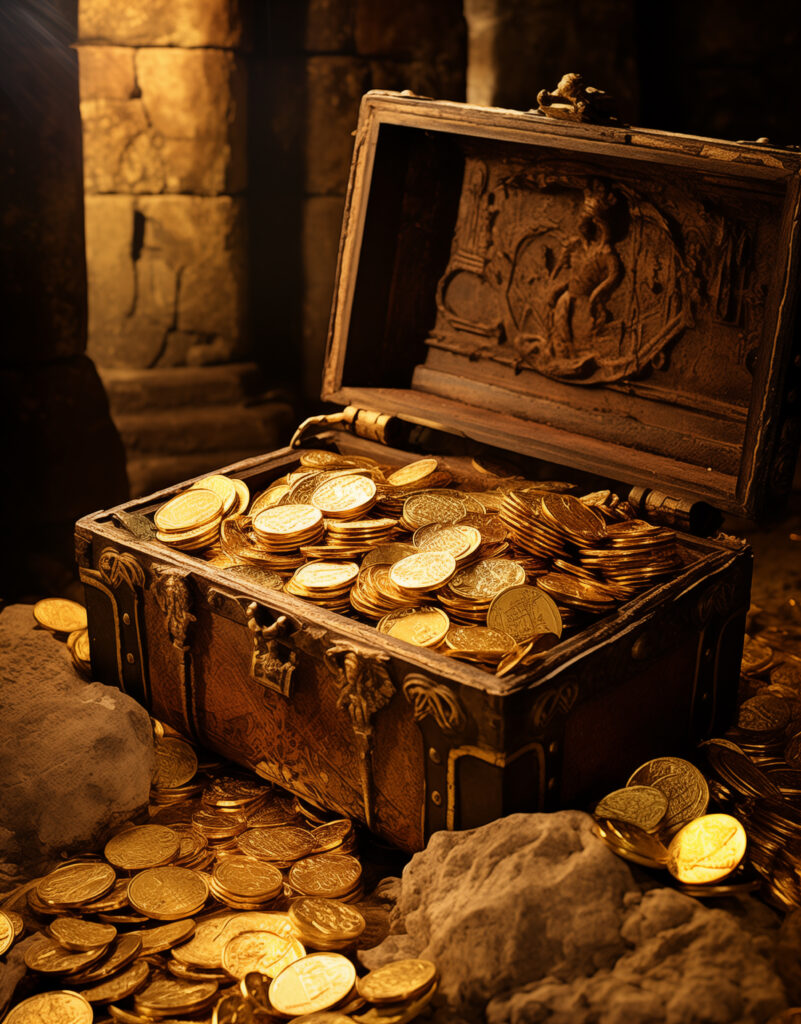
The chest creaked open, revealing piles of ancient coins, jeweled crowns, crystal vases, and scrolls written in a forgotten language.
But the moment the chest opened, a gust of air swept through the cave — extinguishing every torch. The silence that followed was deafening.
Some said they heard whispers in the dark; others swore they saw shadows move.
By morning, two members of the expedition had disappeared — their footprints ending abruptly near the chest.
The Curse of the Hidden Cave
Local villagers believe that the cave was protected by a spirit — a guardian meant to keep human greed away from divine possessions.
According to ancient folklore, the treasures weren’t meant to be found. They were offerings to the gods, left untouched so the land would remain fertile and peaceful.
Edward returned from the mountains alone, his hair turned white within weeks. He never spoke of the cave again. But the journal — and fragments of gold he carried back — confirmed that what he saw was real.
To this day, no one has been able to retrace his steps. The cave remains lost to time — hidden somewhere among the icy ridges, waiting for another soul brave enough (or foolish enough) to find it.
Theories and Modern Searches
In recent years, several explorers and historians have tried to locate the Hidden Cave using satellite imagery, old expedition maps, and local legends.
Some believe it lies beneath a glacier that has since melted, while others think it might have been sealed by an earthquake centuries ago.
A few conspiracy theorists even suggest that the treasures were taken by early European explorers and hidden away by secret societies.
Still, the mystery remains unsolved — and perhaps that’s what makes it timeless.
Lessons Beyond the Gold
The story of the Hidden Cave isn’t just about wealth or discovery — it’s a reflection of human nature.
It shows how curiosity drives us forward, but also how greed can lead to downfall.
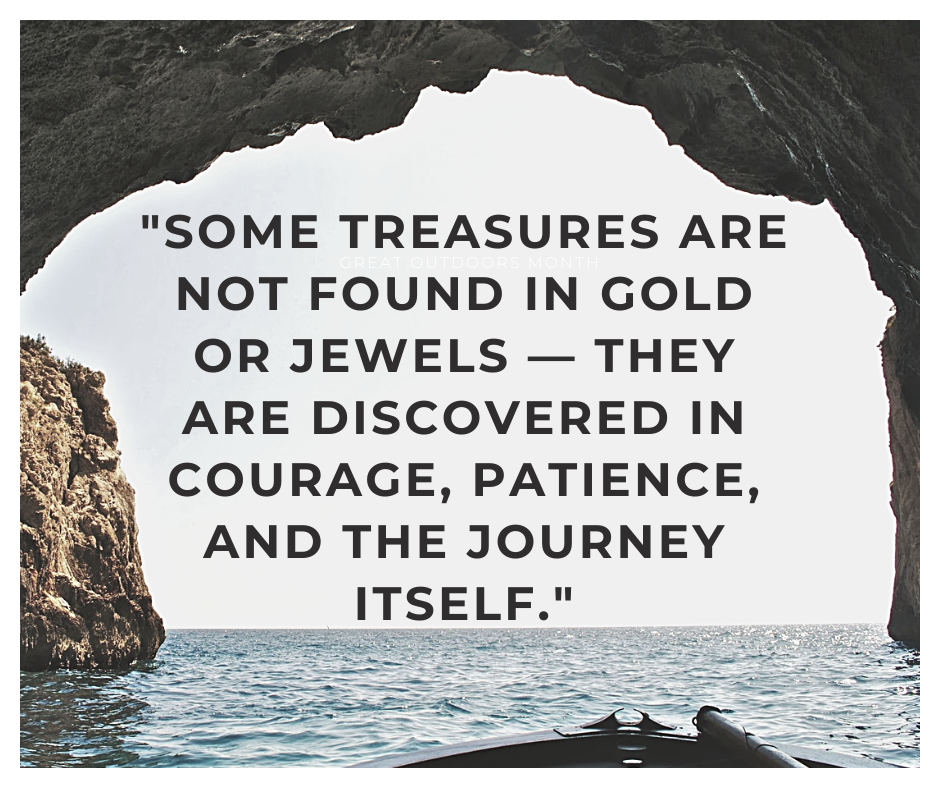
True treasure, as many believe, lies not in what we find, but in what we learn along the way.
Internal Link (Hidden Truths Blog)
Read more mysterious and historical tales like this on our blog:
The Mystery of Egypt’s Cursed Mummies
External Link (Reference)
For historical context on ancient treasure discoveries, explore:
National Geographic – Lost Civilizations and Ancient Caves
Conclusion
The legend of The Hidden Cave of Forgotten Treasures continues to capture imaginations across the world.
Whether a myth or a true story buried in time, it reminds us that every secret has a guardian, and every treasure comes with a price.
Perhaps some mysteries are meant to stay hidden — not to protect the gold, but to protect those who seek it.
Amazing
😯