Introduction
Across the world, history has buried stories too dark for the light.
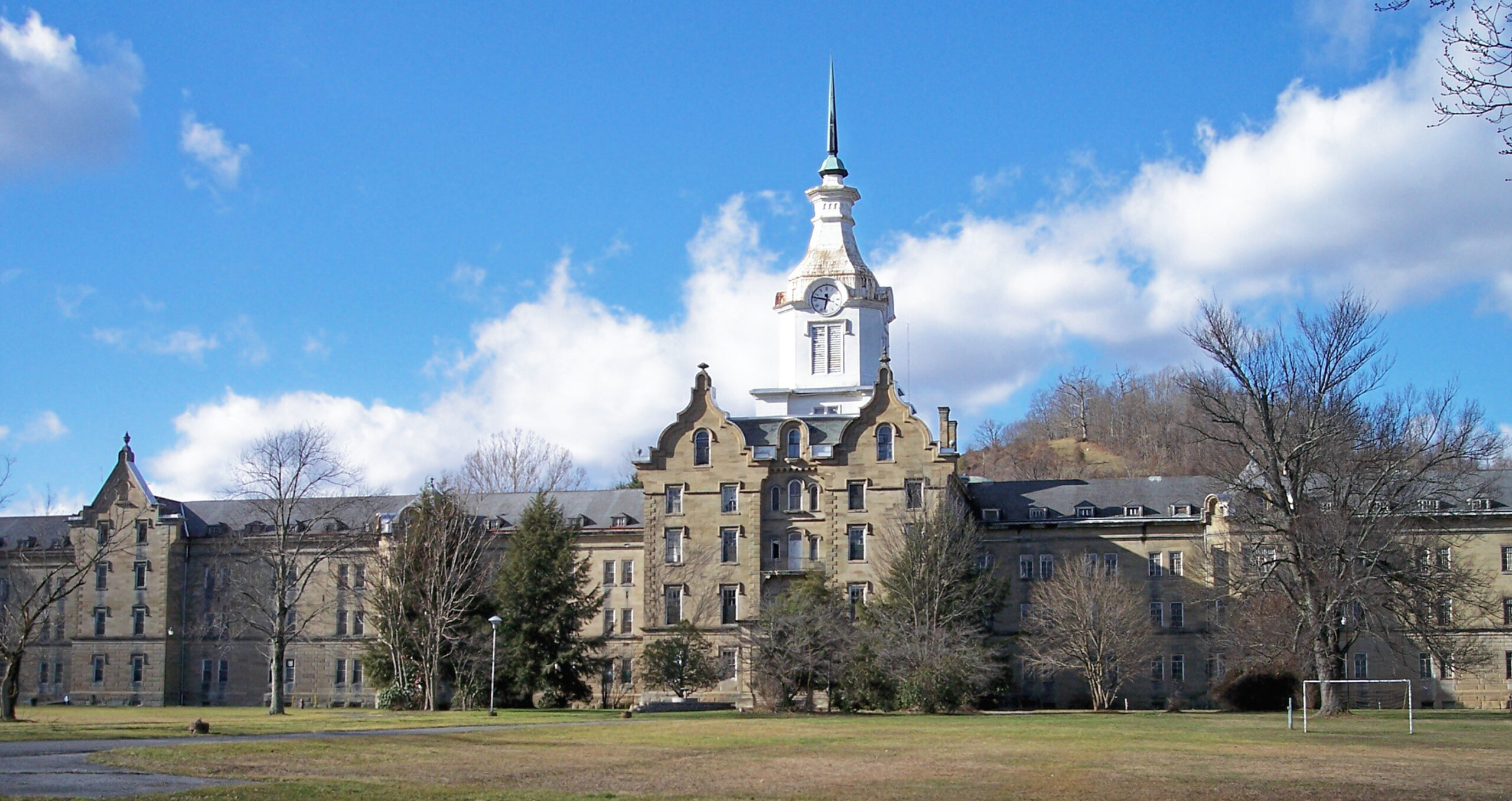
Among them lies one of the most chilling — the forgotten asylum.
Once built with the promise of healing the human mind, it became a place of terror, cruelty, and silence.
Its walls were not made to cure — they were built to hide what humanity wished to forget.
Even today, the ruins stand in eerie silence, whispering the truth of those who never made it out.
The Birth of the Asylum
In the late 19th century, during a time when mental illness was deeply misunderstood, governments began creating “asylums” — institutions meant to treat the mentally ill.
But the reality inside these walls was far from healing.
Doctors experimented on patients without mercy.
Families abandoned loved ones here, sometimes for minor depression or even for disobedience.
Once you entered, you rarely left.
Inside the Walls of Madness
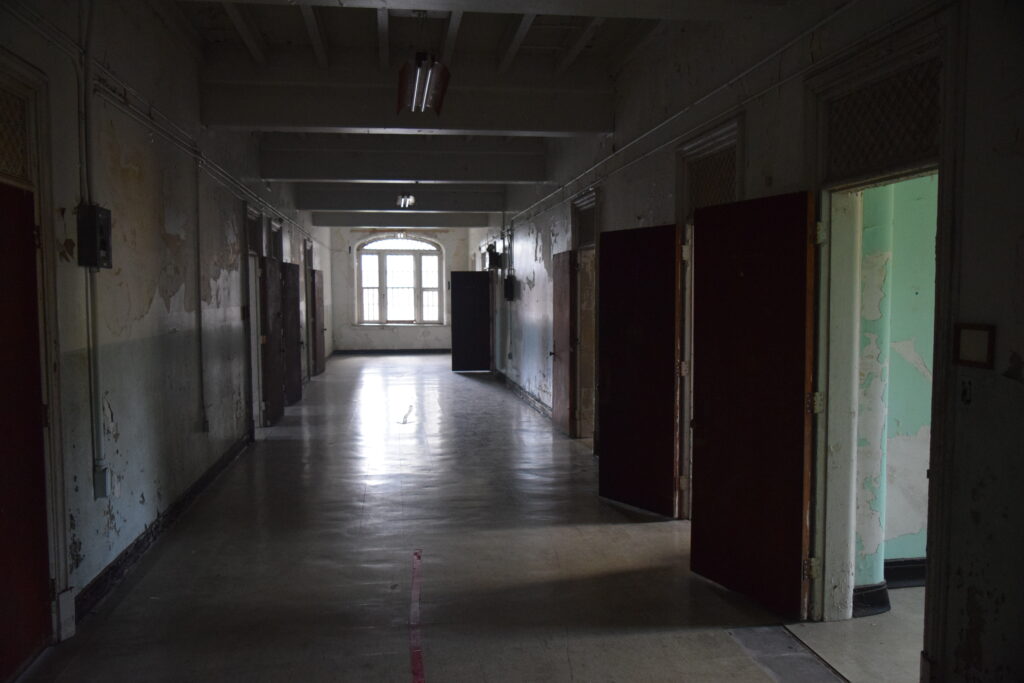
Imagine long, endless corridors echoing with cries.
Rooms without light. Chains on wrists.
People begging to be heard — but the world outside never listened.
Some records describe the asylum as “a house of lost souls.”
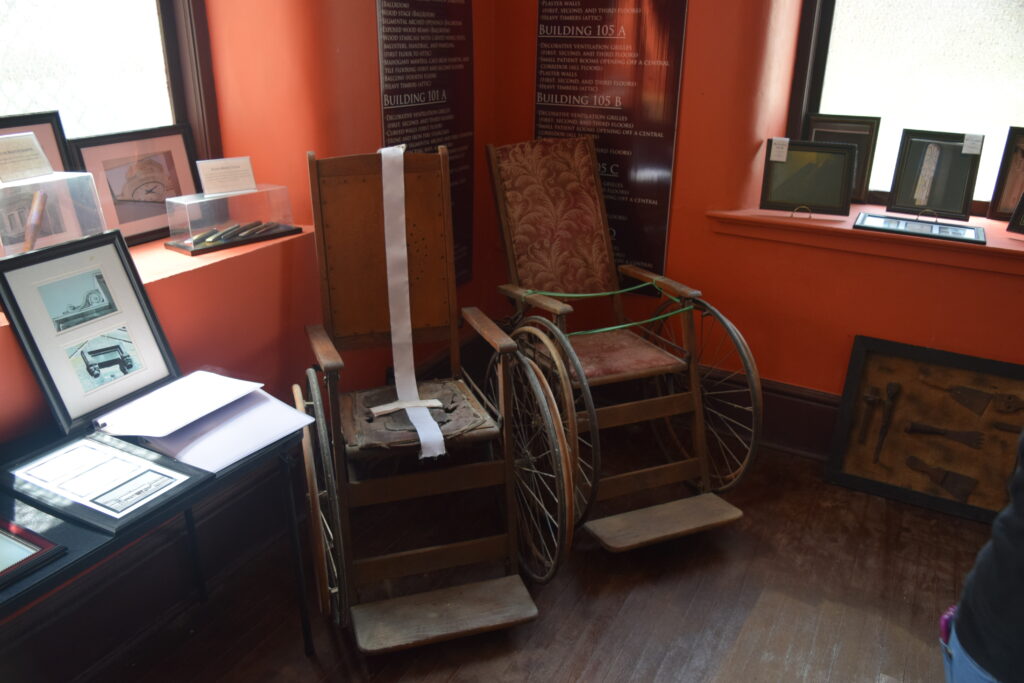
There were no real treatments, only electric shocks, ice baths, and isolation.
Many died nameless, buried in unmarked graves behind the building.
The asylum soon became a shadow of horror — a symbol of what happens when science forgets humanity.
The Disappearance of Records
When the asylum finally closed in the mid-20th century, the government claimed it was for “renovation.”
But the truth was buried deeper.
Files were destroyed, names erased, and the building sealed off.
No one knows exactly how many lives were lost.
Locals say the screams were heard even weeks after the closure.
The Legend That Followed
Years later, explorers who dared to enter the ruins described strange experiences —
Whispers echoing in empty halls, footsteps following them, and shadows moving through broken windows.
Some believed it was haunted.
Others said it was guilt — the souls of those forgotten, still searching for justice.
Historical Evidence & Theories
Archived reports from nearby towns confirm that several asylums across Europe and North America shared similar fates —
abuse, neglect, and mystery.
One asylum in Canada, the Huronia Regional Centre, was exposed for thousands of cases of mistreatment.
Another, the Willowbrook State School in the U.S., revealed horrifying experiments on children.
So, was the forgotten asylum one of them — or something even darker, erased from history entirely?
No one truly knows.
Conclusion
History remembers kings, wars, and revolutions — but it often forgets the cries of the voiceless.
The forgotten asylum is not just a building; it is a symbol of silence, of the people who were never heard.
And maybe, just maybe — that’s why the silence there still screams.
Image Credit: Wikimedia Commons (CC BY-SA 4.0)
I have learned so much from your blog. You are an amazing and great resource.😊
I have learned so much from your blog. You are an amazing and great resource.
Really and you are right.