When we think about the darkest moments in modern history, the Chernobyl disaster stands as one of the most tragic yet eye-opening events. It was not just a nuclear accident—it was also a story of lies, cover-ups, and silence that cost thousands of lives, destroyed a region, and exposed how far authorities were willing to go to hide the truth.
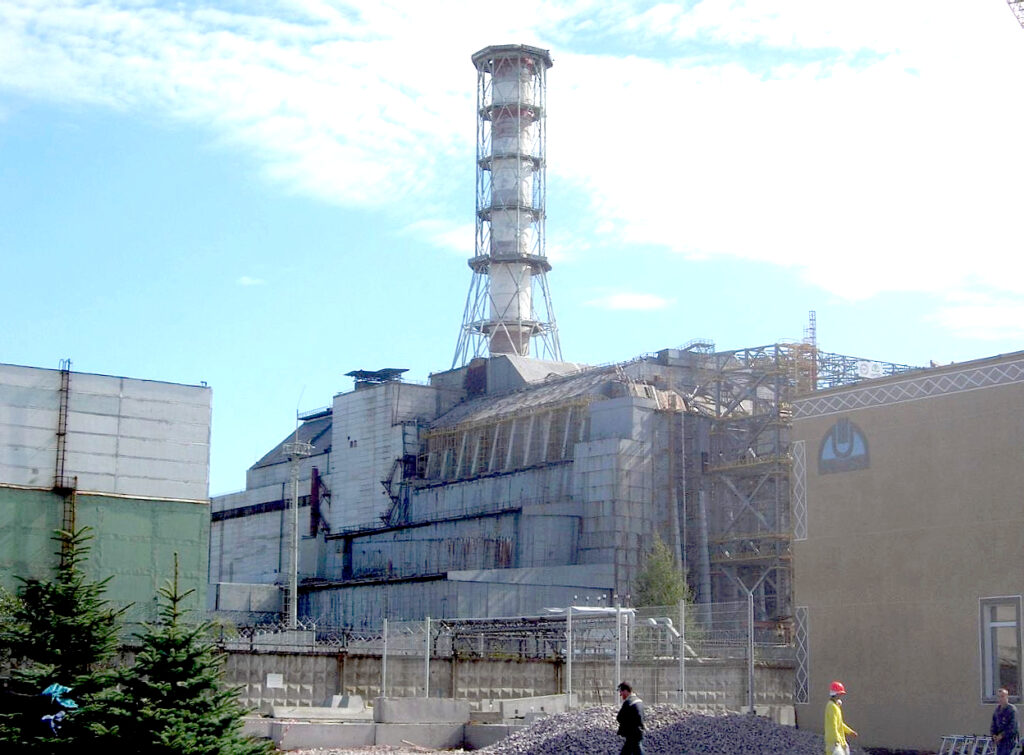
What Really Happened at Chernobyl?
On April 26, 1986, Reactor No. 4 of the Chernobyl Nuclear Power Plant, near Pripyat in Soviet Ukraine, exploded during a late-night safety test. Instead of shutting down safely, the unstable reactor design and human errors triggered a massive steam explosion and fire.
The blast released radioactive particles equivalent to 400 Hiroshima bombs into the atmosphere. These particles spread across Ukraine, Belarus, Russia, and much of Europe, making it one of the worst nuclear disasters in history.
The Immediate Lies
The Soviet authorities immediately denied and downplayed the explosion.
- No public warning was issued to the residents of Pripyat, just 3 km away, for almost 36 hours. Families lived, worked, and children played outdoors while being exposed to deadly radiation.
- The official news claimed it was only a “minor incident,” ignoring the radioactive clouds detected as far as Sweden.
- Workers who fought the fire, known as the “liquidators,” were sent without proper protective equipment. Many of them died painfully within weeks.
Cover-ups by the Soviet Government
The Soviet Union was obsessed with protecting its image as a superpower. Instead of saving lives, the leadership’s priority was to hide the truth.
- Evacuation of Pripyat (population 49,000) only began a day and a half later, when radiation levels were already extremely high.
- Citizens were told they would “return in three days.” In reality, Pripyat became a ghost town forever.
- At the May Day parades in Kiev and Minsk, thousands of people, including children, were forced to attend celebrations under radioactive fallout, simply to avoid spreading panic.
- Even doctors were forbidden to mention radiation poisoning, calling it instead “acute illness.”
The Global Fallout
The disaster could not be hidden completely. Within days, radioactive clouds drifted into Scandinavia and Western Europe, forcing the Soviet Union to finally admit something had gone wrong.
But the full scale of the tragedy remained classified. For years, the USSR insisted that only 31 people died. Independent researchers and later investigations estimated that tens of thousands, possibly hundreds of thousands, suffered deaths and illnesses linked to Chernobyl.
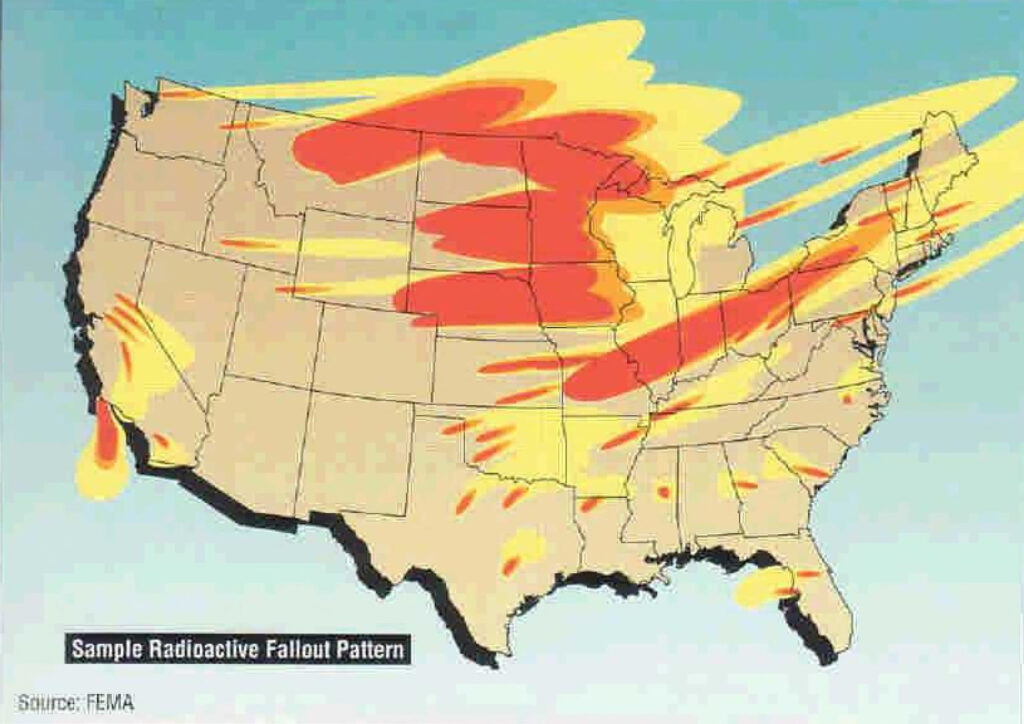
Long-Term Impact
Chernobyl’s cover-ups did not just affect one generation—it continues even today.
- Cancer Rates: Thyroid cancer cases, especially among children in Belarus and Ukraine, skyrocketed in the years after.
- Evacuation Zone: Over 300,000 people were permanently displaced. Entire villages vanished.
- Environmental Damage: The “Red Forest” near the plant remains one of the most radioactive places on Earth.
- Trust Broken: Chernobyl shattered public trust in the Soviet government, contributing to the eventual collapse of the USSR.
Lessons from the Lies
The Chernobyl disaster is not only a warning about nuclear safety—it is also a warning about the dangers of lies, secrecy, and authoritarian control.
- If the truth had been told immediately, thousands of lives could have been saved.
- If protective measures were taken earlier, countless children could have avoided lifelong illnesses.
- If the Soviet leadership valued human lives over reputation, Chernobyl would not be remembered as a symbol of betrayal and silence.
Conclusion
The Chernobyl disaster reminds us that cover-ups can be deadlier than the disaster itself. The explosion may have lasted seconds, but the lies stretched for decades. Even today, the abandoned buildings of Pripyat and the haunting silence of the exclusion zone stand as monuments—not only to nuclear danger but to the cost of hiding the truth.
History teaches us that when governments lie, ordinary people pay the price. Chernobyl’s legacy is not just radioactive—it is a burning lesson that truth, transparency, and accountability are the only ways to prevent another such catastrophe.
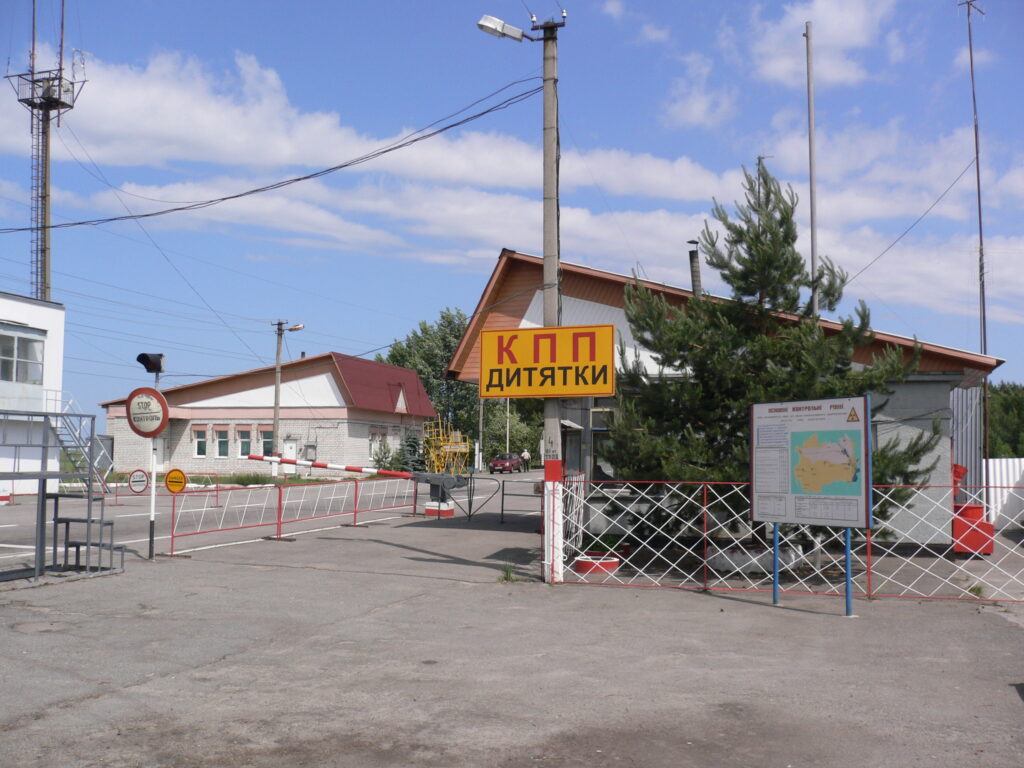
All images used in this article are sourced from Wikimedia Commons / Wikipedia under the Creative Commons CC BY-SA 3.0 License.