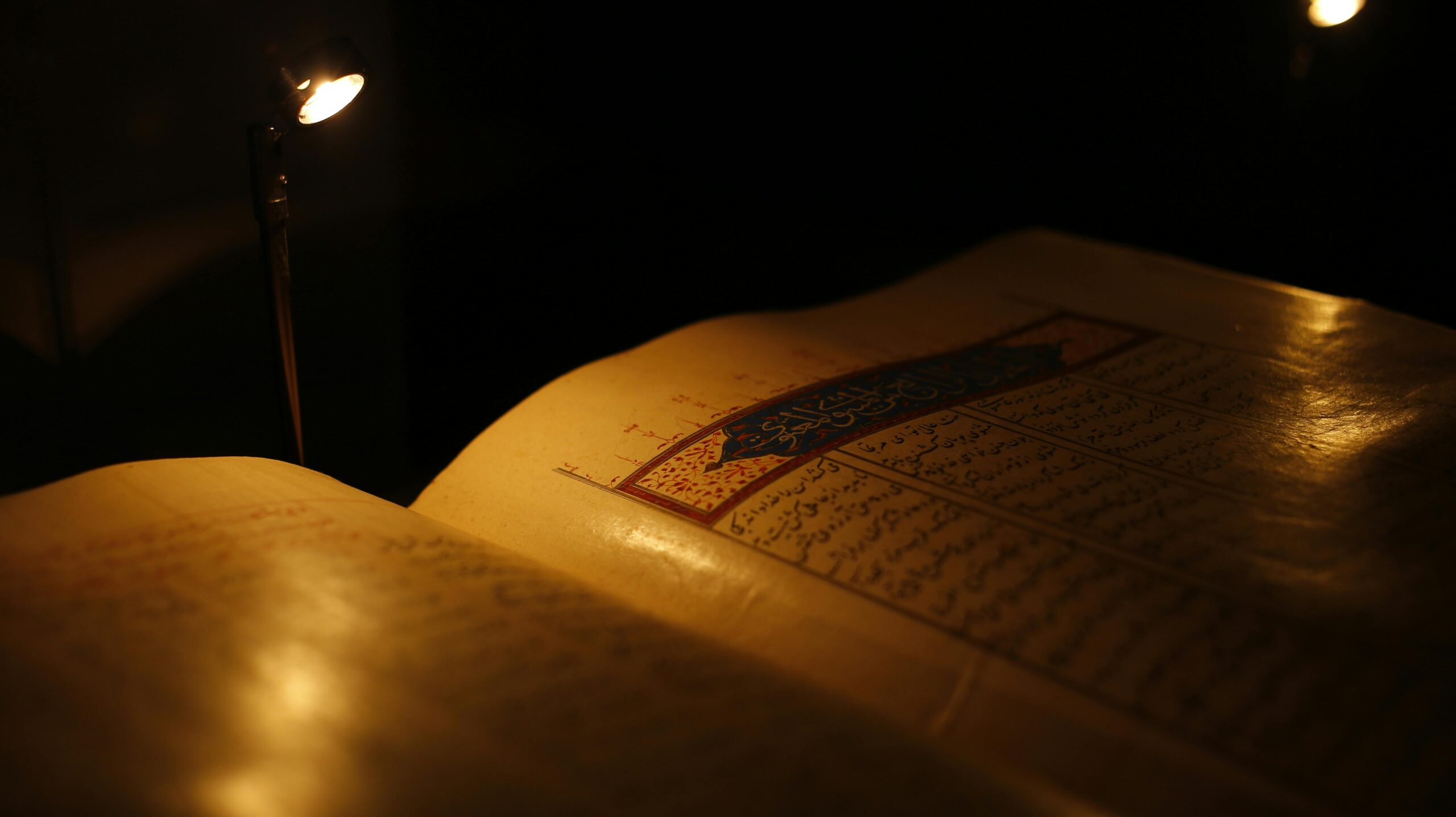
Introduction: Why Paper Matters More Than Kings
Empires rise and fall through power, but civilizations survive through memory.
In Islamic history, memory was preserved not by monuments, but by books — and books depended on paper.
While rulers and battles dominate popular narratives, paper quietly shaped Islamic civilization more than any sword or palace. It transformed Islam from a faith rooted in oral transmission into a global knowledge civilization whose books influenced the world for centuries.
This article explores how paper technology in Islam became the backbone of Muslim intellectual dominance.
1. Knowledge Before Paper: A Civilization Ready to Write
Islamic civilization valued knowledge before paper became common.
From the very beginning:
- The Qur’an emphasized reading, writing, and reflection
- Memorization was combined with documentation
- Accuracy and preservation were religious duties
However, early writing materials were limited:
- Animal parchment was costly
- Papyrus was fragile
- Wooden tablets were impractical
Knowledge existed, but scaling it was impossible.
Islam was intellectually ready — it only lacked the right material technology.
2. The Arrival of Paper: A Turning Point in Muslim History
Paper originated in China, but history changed when it entered the Muslim world in the 8th century.
What made Muslims different was how they responded.
Instead of treating paper as a luxury, Muslims:
- Studied its production
- Improved its quality
- Standardized its use
- Integrated it into education and governance
Paper became a civilizational tool, not a novelty.
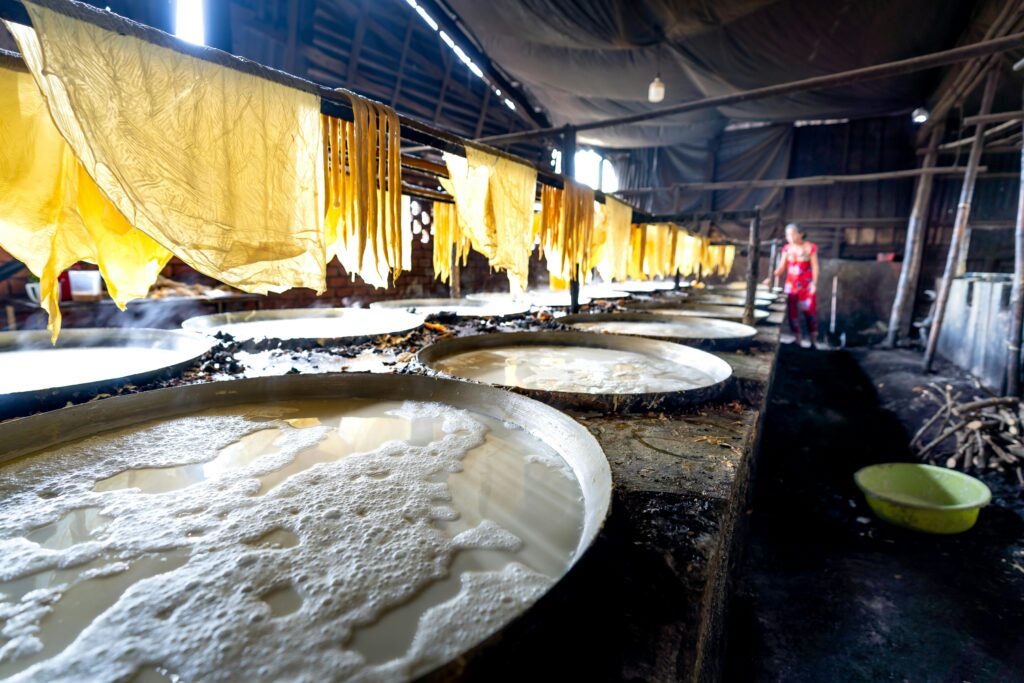
3. Muslim Innovation: From Adoption to Industrialization
The Muslim world did not merely import paper — it industrialized it.
Key Improvements Made by Muslims:
- Stronger, longer-lasting paper
- Large-scale production methods
- Organized paper workshops
- Specialized labor for paper processing
This marked the first true paper industry in world history.
Paper moved from being rare to becoming accessible, and accessibility changed everything.
4. The First Paper Factories in Islamic Civilization
Muslims established the earliest paper factories centuries before Europe.
Major Centers of Production:
- Samarkand – early innovation hub
- Baghdad – mass production for scholars
- Damascus – refined quality paper
- Cairo – distribution across the Islamic world
These factories supplied:
- Libraries
- Schools
- Government offices
- Scholars and students
For the first time, knowledge could multiply faster than memory alone.
5. Paper and the Explosion of Islamic Books
Once paper became affordable, writing exploded.
Muslim scholars no longer wrote short notes — they produced:
- Multi-volume history books
- Encyclopedias
- Commentaries
- Scientific manuals
This is why Islamic civilization left behind hundreds of thousands of manuscripts.
Paper allowed:
- Drafting
- Editing
- Cross-referencing
- Rewriting
Accuracy improved, debates expanded, and intellectual humility became part of scholarship.
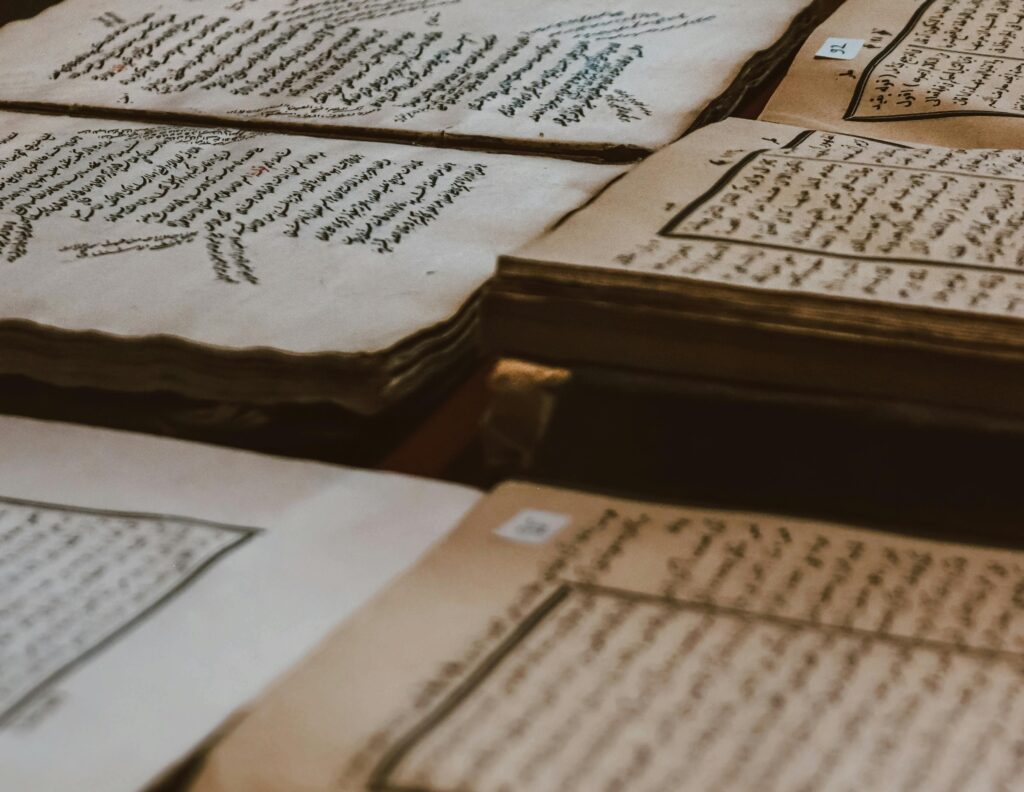
6. Paper and the Birth of Islamic Historiography
Islamic historiography is among the most detailed in human history.
This depth exists because paper enabled historians to:
- Record multiple versions of events
- Preserve chains of narration
- Compare sources critically
- Revise earlier histories
Works such as:
- Tarikh al-Tabari
- Al-Kamil fi al-Tarikh
- Al-Bidaya wa al-Nihaya
were only possible because scholars could write extensively without limitation.
Paper transformed history from storytelling into methodology.
7. The Abbasid Caliphate: Paper as State Infrastructure
Under the Abbasids, paper was not optional — it was state policy.
The government relied on paper for:
- Administration
- Tax records
- Legal documentation
- Educational funding
Knowledge was institutionalized.
Scholars were salaried.
Libraries were protected.
Baghdad became the intellectual capital of the world not by chance, but by system design.
8. Paper and the House of Wisdom
The House of Wisdom in Baghdad was built on paper.
Thousands of texts were:
- Translated from Greek, Persian, and Sanskrit
- Copied and preserved
- Annotated and expanded
Paper allowed scholars to:
- Compare civilizations
- Preserve ancient knowledge
- Build original Islamic sciences
Europe later accessed classical knowledge through Arabic paper manuscripts, not original sources.
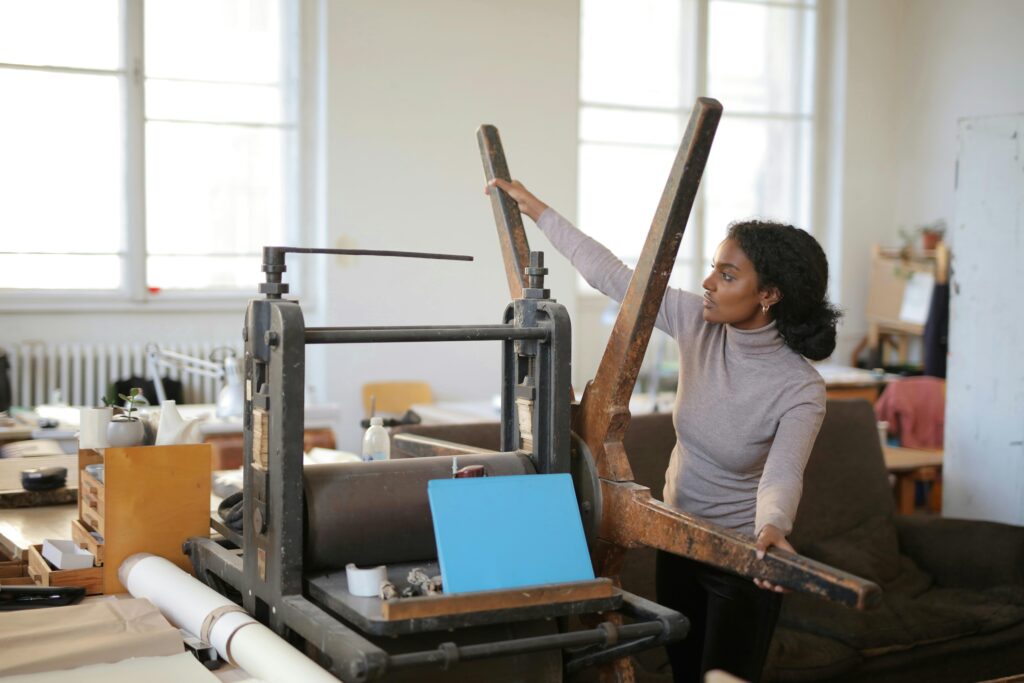
9. Paper vs the Printing Press: Correcting a Common Myth
Modern narratives credit the printing press for knowledge spread.
This ignores a crucial fact:
Printing needed paper to exist first.
Paper created:
- Reading culture
- Writing discipline
- Documentation habits
By the time Europe developed printing, Muslims had already spent centuries refining handwritten scholarship.
Paper prepared civilization; printing only accelerated it.
10. Vulnerability of Paper: Knowledge Can Burn
Paper is powerful — but fragile.
During the Sack of Baghdad in 1258:
- Libraries were destroyed
- Manuscripts burned
- Books thrown into the Tigris River
Centuries of accumulated knowledge vanished.
This event did not just destroy books —
it broke the continuity of Islamic intellectual momentum.
11. Long-Term Impact of Paper Loss
After Baghdad:
- Libraries declined
- Book production slowed
- Knowledge networks collapsed
The Muslim world never fully rebuilt the same paper-based scholarly infrastructure.
This shows a hard truth:
Civilizations fall when their knowledge systems collapse.
Conclusion: Paper Built Islamic Civilization
Paper did not create Islam, but it enabled Islamic knowledge to survive history.
Through paper:
- Knowledge became public
- Scholarship became systematic
- History became preserved
If Muslims wish to revive intellectual leadership, they must remember this lesson:
Civilization begins with tools that serve knowledge.
Paper was one such tool — quiet, powerful, and transformative.

References & Sources
- Al-Tabari, Tarikh al-Rusul wa al-Muluk
- Ibn Kathir, Al-Bidaya wa al-Nihaya
- Ibn Athir, Al-Kamil fi al-Tarikh
- Ibn Khaldun, Muqaddimah
- Jonathan Bloom, Paper Before Print
- George Makdisi, The Rise of Colleges
- Dimitri Gutas, Greek Thought, Arabic Culture
- Marshall Hodgson, The Venture of Islam