
Introduction
Geniuses have fascinated humans for centuries. From Einstein’s relativity to Leonardo da Vinci’s inventions, we often think genius is innate talent, reserved for a select few. But modern research in psychology, neuroscience, and education shows otherwise.
Genius is not purely genetic—it is a combination of mindset, habits, deliberate practice, and curiosity. This comprehensive guide will reveal practical, research-backed methods to cultivate your inner genius, along with real-life examples, exercises, and expert advice.
1. Understanding Genius: Myth vs. Reality
Many believe geniuses are born, not made. While genetics influence potential, studies show that environment, learning strategies, and deliberate effort determine actual performance.
Expert Insights:
- Anders Ericsson, author of The Cambridge Handbook of Expertise and Expert Performance, found that deliberate practice is crucial for high-level achievement.
- Carol Dweck, a psychologist, emphasizes a growth mindset: intelligence can improve through effort, learning, and resilience.
Real-Life Example:
- Albert Einstein reportedly struggled in school but developed extraordinary skills through curiosity-driven self-study.
Key takeaway: Genius is cultivated, not fixed. With the right approach, anyone can enhance cognitive abilities.

2. Curiosity: The Fuel for Genius
Curiosity drives exploration, learning, and innovation. Neuroscience research shows that curiosity activates the brain’s dopamine system, enhancing memory and focus.
How to Cultivate Curiosity:
- Ask constant questions: “Why?”, “How?”, “What if?”
- Explore cross-disciplinary subjects—creativity often arises at intersections.
- Experiment without fear of failure.
Real-Life Example:
- Steve Jobs studied calligraphy, which later influenced the typography of Apple products.
- Leonardo da Vinci’s notebooks show wide-ranging curiosity from anatomy to engineering.
Tip: Keep a notebook of questions and ideas daily. This habit trains your mind to notice patterns and connections.
3. Deliberate Practice: Mastery Through Focus
Deliberate practice is intentional, focused, and reflective, not just repetitive effort.
Steps for Deliberate Practice:
- Identify a specific skill.
- Set measurable goals.
- Seek expert feedback.
- Analyze results and adjust methods.
Research Insight:
- A study in Psychological Science (2014) found that top performers in music, chess, and sports engaged in structured, deliberate practice rather than simply logging hours.
Exercise:
- Pick one skill and practice it daily for 30–60 minutes, noting progress and reflecting on mistakes.
4. Mental Models: Thinking Like a Genius
Geniuses recognize patterns, principles, and systems instead of isolated facts. Using mental models improves problem-solving, creativity, and decision-making.
Essential Mental Models:
- First Principles Thinking: Break complex problems into basic truths (Elon Musk uses this).
- Inversion: Solve problems by asking “What if I do the opposite?”
- Opportunity Cost: Evaluate what you give up to make the best choice.
- Pareto Principle (80/20): Focus on actions that give the most results.
Exercise:
- Apply first principles thinking to a challenge at work or school: break it down to fundamental truths, then rebuild solutions from scratch.
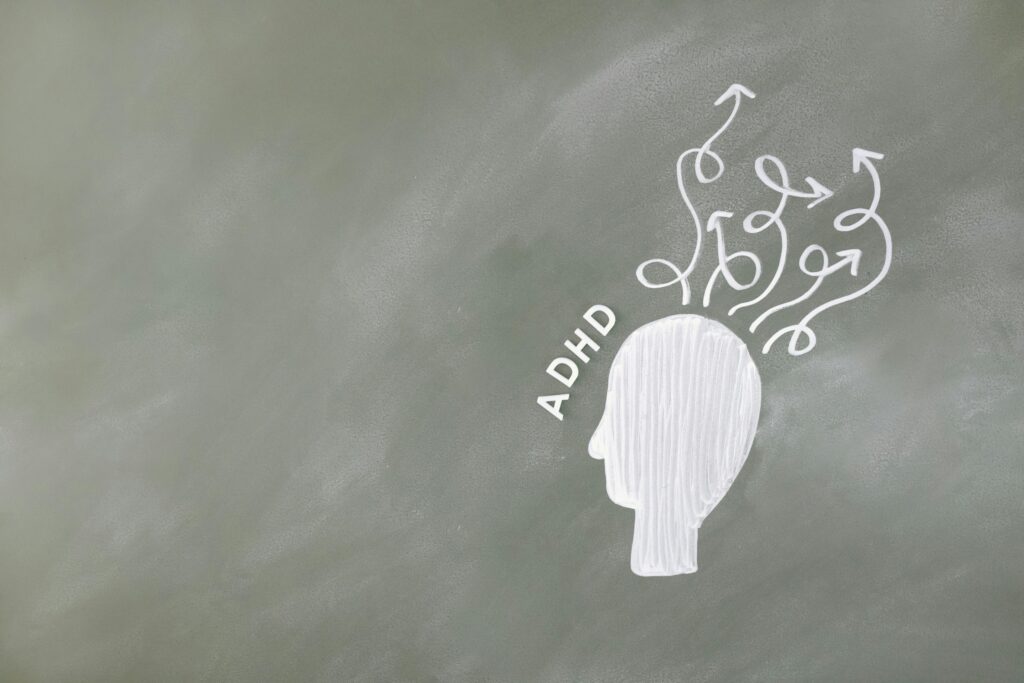
5. Embracing Failure and Building Resilience
Geniuses see failure as feedback, not defeat. Resilience is closely linked to creativity and success.
Strategies to Build Resilience:
- Analyze mistakes objectively.
- Reflect on lessons learned.
- Persist patiently—many breakthroughs take years.
Example:
- Thomas Edison failed over 1,000 times before inventing a practical light bulb. He famously said, “I have not failed. I’ve just found 1,000 ways that won’t work.”
Tip: Maintain a “Failure Journal” to track experiments, mistakes, and lessons.
6. Brain Health: Sleep, Nutrition, and Exercise
A healthy brain underpins cognitive performance. Studies show:
- Sleep (7–9 hours): Consolidates memory and enhances problem-solving.
- Exercise: Boosts neuroplasticity, focus, and creativity.
- Nutrition: Omega-3s, antioxidants, and protein-rich foods improve cognitive function.
Exercise:
- Start your day with 10–20 minutes of aerobic exercise and eat a brain-healthy breakfast like eggs, nuts, or berries.
7. Social Environment and Mentorship
Even geniuses thrive with support. Mentorship and stimulating peers accelerate learning and idea generation.
Examples:
- Benjamin Franklin developed intellectually through discussion groups.
- Modern entrepreneurs often credit mentors for guidance and rapid learning.
Tip: Join forums, mastermind groups, or online learning communities in your field.
8. Daily Habits of Geniuses
Research shows consistent habits among highly intelligent individuals:
- Continuous Learning: Read widely every day.
- Reflective Thinking: Journal, meditate, or review experiences.
- Deep Work: Focus without distractions.
- Creative Exercises: Mind mapping, brainstorming, puzzles.
- Physical Wellness: Maintain exercise and sleep schedules.
Exercise:
- Spend 30 minutes daily journaling questions and ideas. Over time, this creates a personal database of insights.
9. Real-Life Case Studies of Genius
- Albert Einstein: Struggled academically early, but persistent curiosity and independent learning led to groundbreaking theories.
- Leonardo da Vinci: Merged art, science, and engineering through cross-disciplinary exploration.
- Marie Curie: Focused deliberate practice in chemistry and physics, despite social barriers, led to Nobel-winning discoveries.
- Elon Musk: Uses first principles thinking to solve modern technological challenges.
Lesson: Genius is often a product of curiosity, persistence, and innovative thinking, not just innate talent.
10. Step-by-Step Plan to Cultivate Genius
Daily Routine Example:
- Morning: 20 minutes of exercise, 30 minutes of reading.
- Midday: Deep work session on a skill or project.
- Evening: Reflection journaling, problem-solving, and creative exercises.
Weekly Focus:
- Learn one new skill deeply.
- Explore one unrelated topic.
- Seek feedback from mentors or peers.
Monthly Reflection:
- Review progress, analyze failures, and plan improvements.

11. FAQ: Becoming a Genius
Q1: Can anyone become a genius?
A: Yes! Research shows that with curiosity, deliberate practice, and resilience, cognitive abilities can improve significantly.
Q2: How long does it take?
A: Improvement depends on effort, consistency, and focus. Experts often cite 5–10 years of deliberate practice to reach mastery in a field.
Q3: Do I need high IQ?
A: No. Genius is more about learning strategies, creativity, and habits than raw IQ.
Q4: How do I maintain motivation?
A: Use curiosity-driven learning, set small measurable goals, and track progress consistently.
12. Social Media Snippets
- “Curiosity + Practice + Resilience = Genius. Start today!”
- “Even Edison failed 1,000 times. Genius is about persistence, not luck.”
- “Learn deeply, explore widely, and think differently—unlock your genius mind.”
13. References
- Ericsson, K.A., Charness, N., Hoffman, R.R., & Feltovich, P.J. (2006). The Cambridge Handbook of Expertise and Expert Performance. Cambridge University Press.
- Dweck, C. (2006). Mindset: The New Psychology of Success. Random House.
- Gruber, M.J., Gelman, B.D., & Ranganath, C. (2014). States of Curiosity Modulate Hippocampus-Dependent Learning via the Dopaminergic Circuit. Neuron, 84(2), 486–496.
- Simonton, D.K. (2000). Creativity: Cognitive, Personal, Developmental, and Social Aspects. American Psychologist, 55(1), 151–158.
Conclusion
Genius is not reserved for the lucky few. Through curiosity, deliberate practice, mental models, resilience, and brain optimization, anyone can unlock extraordinary cognitive potential. Start small, stay consistent, and cultivate habits that sharpen your mind every day.
By applying these science-backed strategies, you can think like a genius, solve problems creatively, and achieve exceptional results in any field.