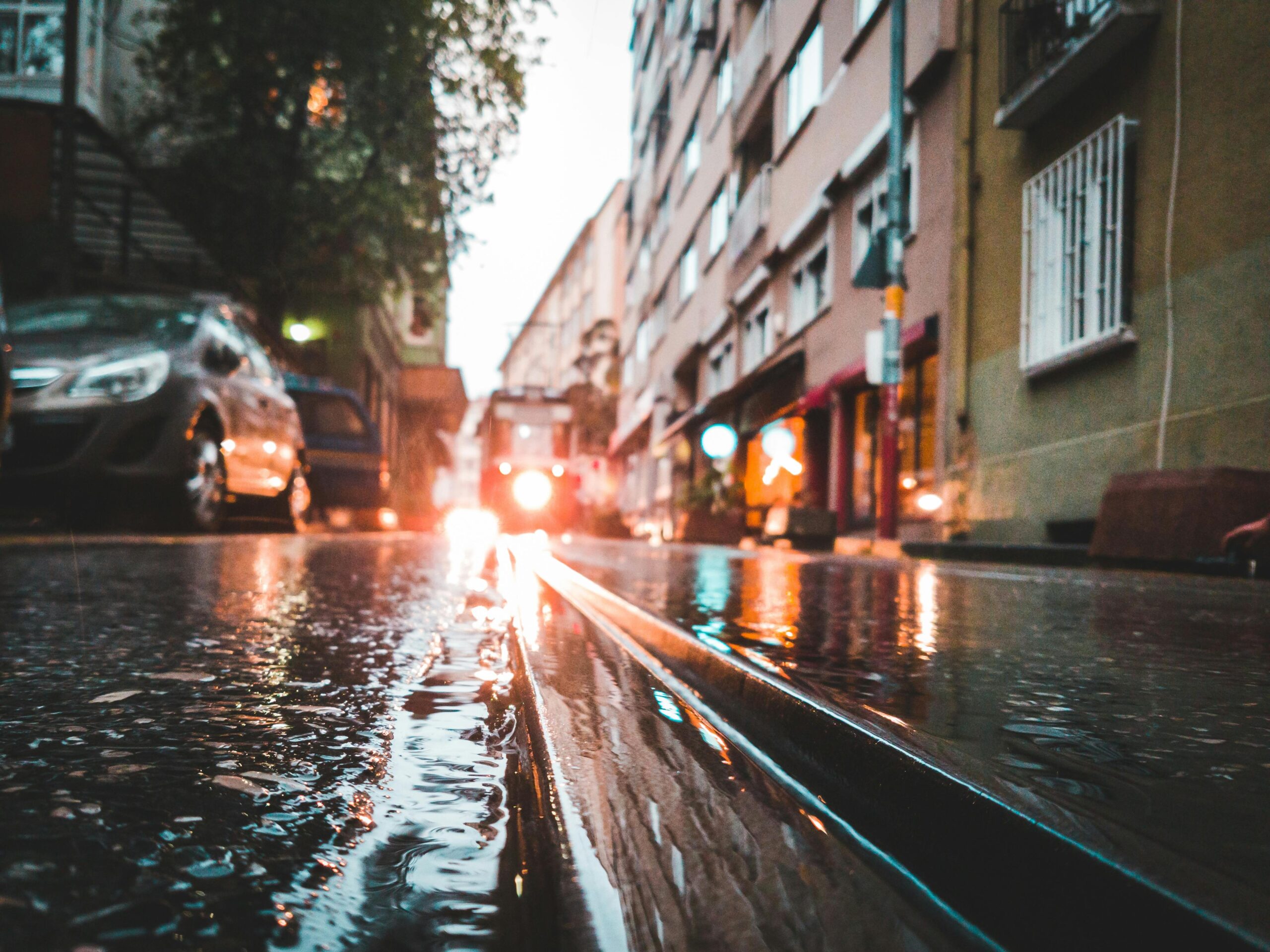
Climate change isn’t a distant threat — for many U.S. coastal cities, it’s already reshaping daily life, as rising seas, flooding, and extreme storms begin to redefine what “living by the coast” means.
Table of Contents
- Introduction: A Changing Coastline
- Why U.S. Coastal Cities Are Especially Vulnerable
- Sea Level Rise: The Foundation of the Problem
- More Frequent “Sunny Day” Floods
- Storm Surge, Hurricanes, and Extreme Weather
- Coastal Erosion and Landscape Loss
- Land Subsidence: When the Ground Sinks Too
- Infrastructure Under Threat: Roads, Ports, and Homes
- Environmental and Health Impacts
- Social & Economic Inequities: Who Suffers Most
- How Coastal Cities Are Responding
- Nature-Based Solutions & Adaptation Strategies
- The Big Picture: What’s at Stake by 2050 and Beyond
- Conclusion: Urgency, Action, and Hope
- References & Further Reading
1. Introduction: A Changing Coastline
For decades, experts warned about rising sea levels, stronger storms, and the long-term impacts of global warming. But now, in many U.S. coastal cities, those warnings are becoming reality. What used to be “maybe by 2100” is turning into “right now.” From Florida to Norfolk, Baltimore to New York City, communities are grappling with climate change in very real, very immediate ways.
2. Why U.S. Coastal Cities Are Especially Vulnerable
- Nearly 40% of Americans live in coastal counties, making these regions densely populated and economically significant.
- Coastal counties hold a staggering value in property and infrastructure. The U.S. EPA estimates that more than $1 trillion worth of property is at risk due to sea-level rise and flooding.
- Many coastal cities were built at low elevation and were not designed to handle frequent high-tide flooding or stronger storms, making them particularly exposed.
3. Sea Level Rise: The Foundation of the Problem
- Climate change drives sea level rise through melting glaciers and thermal expansion (when warm water expands).
- According to Earth.gov, even small increases in sea level can significantly increase flooding risk.
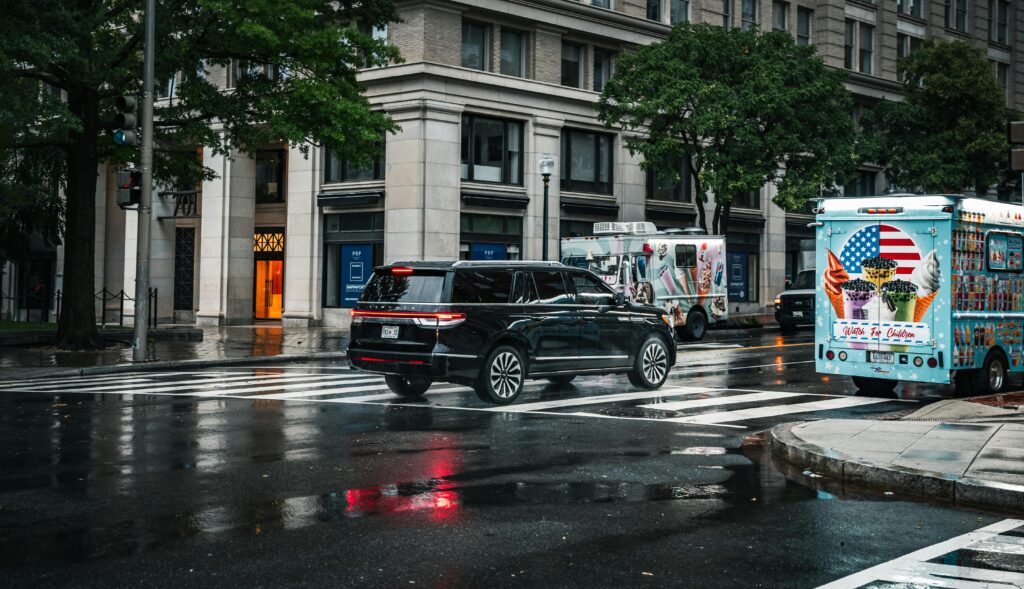
- As sea levels rise, more frequent and severe flooding can occur during high tides, storms, and even on “normal” days when tidal thresholds are crossed.
4. More Frequent “Sunny Day” Floods
- Also known as nuisance floods or high-tide flooding, these happen even without a storm when tides are unusually high.
- According to EPA coastal indicators, flooding frequency has increased since the 1950s.
- The U.S. Climate Resilience Toolkit projects that in parts of the Southeast, by 2050, many coastal cities could see more than 30 high-tide flood days each year.
5. Storm Surge, Hurricanes, and Extreme Weather
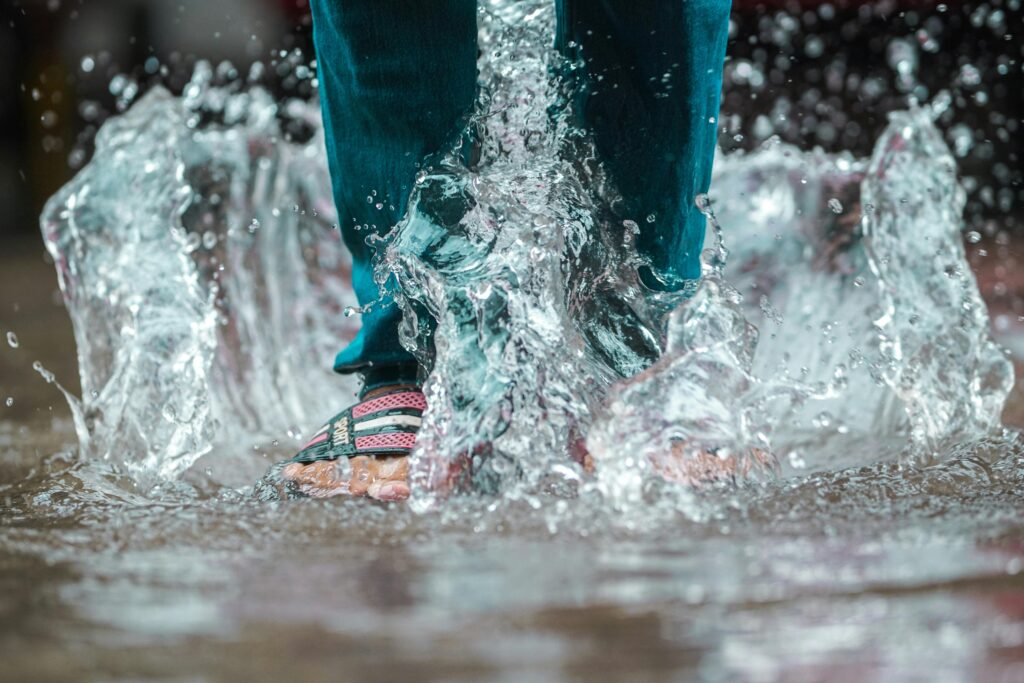
- Warmer oceans fuel stronger storms. When hurricanes or nor’easters hit, storm surge pushes ocean water far inland, often much higher than normal tide levels.
- High sea levels make these surges even more dangerous: what once was a manageable flood can become a catastrophic inundation.
- Many older drainage systems in coastal cities were built assuming lower sea levels; now they fail when tidewater backs up into stormwater infrastructure.
6. Coastal Erosion and Landscape Loss
- Rising sea levels and increased wave action lead to shoreline erosion. According to the USGS, beaches and barrier islands are being worn away as weather patterns intensify.
- This erosion threatens valuable coastal habitats (such as wetlands) and can undermine infrastructure like roads, homes, and public utilities.
- Over time, this means land loss — entire parcels of land may be permanently lost to the sea, or require very expensive protective measures.
7. Land Subsidence: When the Ground Sinks Too
- It’s not just the sea rising — in many cities, the land itself is sinking, a process called subsidence.
- In some U.S. cities (especially along the Gulf Coast), this subsidence is driven by groundwater extraction, building weight, and natural geological shifts.
- The combination of rising sea level + sinking land dramatically amplifies flood risk in those regions.
8. Infrastructure Under Threat: Roads, Ports, and Homes
- Roads, drain systems, bridges, and rail are frequently disrupted because of recurrent flooding and storm surge.
- Ports — key to U.S. trade — are vulnerable: coastal flooding and high seas can disrupt shipping, damage port facilities, and slow down supply chains.
- Buildings and homes, especially in low-lying neighborhoods, face chronic water damage and worsening saltwater intrusion that can corrode foundations.
9. Environmental and Health Impacts
- As flooding increases, saltwater intrudes into groundwater and freshwater systems, threatening drinking water and contaminating aquifers.
- Flooding can also overwhelm wastewater systems, increasing the risk of exposure to pathogens and chemical pollutants.
- Ecosystems like marshes, mangroves, and wetlands are under stress. These environments buffer storm surge, so their loss makes future storms more dangerous.
10. Social & Economic Inequities: Who Suffers Most
- Not all communities are equally equipped to adapt. Low-income, marginalized, or minority communities often face greater risk because they lack resources for protective measures. arXiv
- Infrastructure failures (roads, water, sanitation) hit vulnerable populations harder, disrupting everyday life and increasing costs.
- Economic loss is massive: property devaluation, insurance hikes, and potential displacement threaten the livelihoods of many coastal residents.
11. How Coastal Cities Are Responding
- Many cities are building sea walls, levees, and barriers to protect key areas. Environmental Protection Agency
- Some are elevating buildings or changing zoning laws to discourage development in high-risk zones. Environmental Protection Agency
- Others are using nature-based solutions: restoring wetlands, creating living shorelines, and expanding green infrastructure to absorb floodwaters. Environmental Protection Agency+1
- In a few places, relocation is being considered for the most vulnerable communities. Environmental Protection Agency
12. Nature-Based Solutions & Adaptation Strategies
- Living Shorelines: Instead of concrete seawalls, some cities use plants, reefs, and natural materials to absorb wave energy.
- Wetland Restoration: Healthy wetlands act like sponges, soaking up floodwaters and reducing storm surge.
- Urban Green Infrastructure: Rain gardens, permeable pavements, and bioswales help manage stormwater and reduce flooding.
- Flood-Resilient Building Design: Elevating houses, using flood-resistant materials, and designing buildings to withstand periodic inundation.
13. The Big Picture: What’s at Stake by 2050 and Beyond
- According to projections, many U.S. coastal cities will face dramatic increases in flood risk in the next few decades. toolkit.climate.gov
- Critical infrastructure (hospitals, schools, power plants) could be inundated more frequently, threatening daily life and public safety. The Guardian
- If action is not taken, property loss, displacement, and large-scale investment in adaptation will be unavoidable.
- On the flip side, proactive adaptation could save communities, preserve economies, and create more resilient coasts.
14. Conclusion: Urgency, Action, and Hope
There’s no question: climate change is not a future threat for U.S. coastal cities — it’s a present reality. The combination of sea-level rise, subsidence, stronger storms, and frequent flooding is already reshaping coastlines, infrastructure, and communities. But there’s hope. With smart planning, nature-based solutions, investments in infrastructure, and community resilience, many coastal cities can adapt and thrive. The clock is ticking, but action now could make the difference between retreat and resilience.
15. References & Further Reading
- U.S. EPA — Coastal Flooding as a Climate Indicator Environmental Protection Agency
- NASA / U.S. Climate Resilience Toolkit — Projected Surge in High-Tide Flooding NASA Science
- U.S. EPA — Climate Change Impacts on Coasts Environmental Protection Agency
- U.S. Geological Survey — Coasts, Storms, and Sea Level Rise USGS
- U.S. Climate Resilience Toolkit — Coastal Impacts (Transportation, Saltwater Intrusion, Flooding) toolkit.climate.gov
- U.S. Climate Resilience Toolkit — Storm Surge Vulnerability toolkit.climate.gov
- New York City Mayor’s Office — Coastal Surge Flooding Risks in NYC climate.cityofnewyork.us
- Institute for Environmental Research & Education — Effects of Rising Sea Levels Environmental Research Institute
- Academic Study — Recurrent Flooding & Transportation Impacts in Hampton Roads arXiv
- Academic Study — Environmental Injustice & Flood-Induced Pollutants in Texas arXiv