
A powerful honesty lesson about truthfulness, moral values, and how honesty protects character and peace of mind
Every child makes mistakes.
But not every child learns the life-changing lesson hidden inside those mistakes.
This is the story of Arav, a young boy who learns—through fear, guilt, and courage—that honesty saves you from trouble, while lies quietly create bigger problems.
His journey teaches why honesty is not weakness, why truthfulness builds character, and why the power of honesty shapes a strong, fearless life.
A Small Mistake That Created a Big Fear
One quiet afternoon, Arav was playing cricket inside the house.
The ball slipped from his hands and—crack—the window shattered.
His heart stopped.
Fear rushed in faster than logic.
He remembered the rules.
He remembered the warnings.
He imagined punishment.
So when his parents asked what happened, Arav chose fear over truth.
He lied.
This moment reflects a key psychology fact:
Children often lie not because they are dishonest, but because they fear consequences.
At this stage, Arav did not yet understand the most important honesty lesson of life:
Honesty saves you—even when it feels risky.
The Psychological Burden of Lying
That night, Arav couldn’t sleep.
Although no one scolded him, his mind felt heavy.
He experienced:
- guilt
- anxiety
- fear
- restlessness
- emotional pressure
Psychologists call this cognitive dissonance—mental stress caused by acting against one’s values.
His lie protected him from punishment,
but it punished him emotionally.
This is where honesty vs lying becomes clear:
- Lies create fear
- Honesty creates peace
Arav was learning this lesson the hard way.
When a Lie Hurts Someone Else
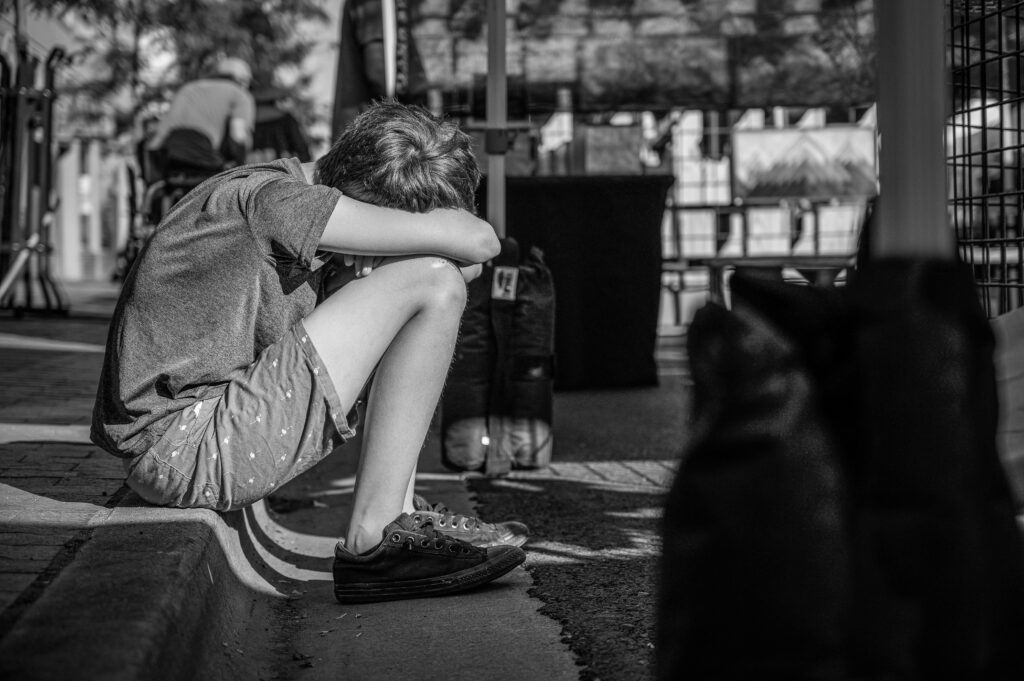
The next day, the house helper was blamed for the broken window.
Arav froze.
His small lie had grown into a bigger injustice.
The fear became unbearable.
His chest felt tight.
His eyes filled with tears.
In that moment, he realized something powerful:
A lie never stays small.
It always spreads trouble.
This realization pushed him toward courage.
The Moment of Truth — When Honesty Saves Him
With shaking hands and a trembling voice, Arav confessed:
“I broke the window.
I lied because I was scared.
I’m sorry.”
Silence filled the room.
Then something unexpected happened.
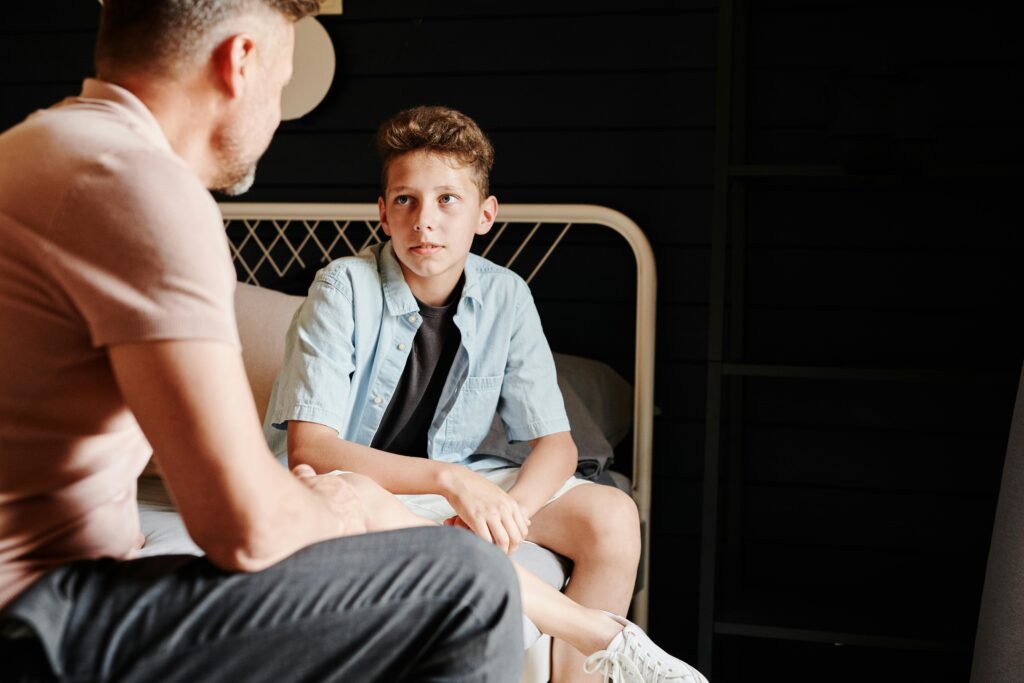
Instead of anger, his parents showed calm.
Instead of punishment, they showed understanding.
His mother said:
“Mistakes are normal, Arav.
But honesty saves you from bigger trouble.
Truth protects your heart.”
That moment changed Arav forever.
How Honesty Protected Him Instead of Punishing Him
After telling the truth, Arav felt:
- relief
- peace
- emotional freedom
- self-respect
- trust from parents
- inner strength
He learned that honesty does not remove consequences,
but it removes fear, guilt, and long-term damage.
This honesty lesson became a foundation for his character.
Why Honesty Saves You — The Psychology Explained
According to child psychology and moral development studies:
Honesty reduces mental stress
The brain relaxes when it doesn’t hide lies.
Truthfulness builds trust
Honest children earn respect from adults and peers.
Honesty strengthens character
It teaches responsibility and courage.
Lies demand more lies
Dishonesty traps the mind in fear.
Honesty builds self-confidence
Admitting mistakes builds inner power.
Arav understood that honesty was not just a rule—
it was protection.
Growing Up With Honesty as a Strength
As Arav grew older, honesty became his identity.
He became:
- a trusted student
- a reliable friend
- a responsible child
- a confident speaker
- a boy known for truthfulness
Honesty saved him many times—from misunderstandings, fear, and unnecessary trouble.
His honesty lesson turned into a lifelong habit.
The Moral Values Hidden in This Story
This honesty story teaches us:
- Honesty saves you from long-term trouble
- Truth builds stronger relationships
- Fear causes lies, but courage brings honesty
- Character matters more than punishment
- Peace comes from truth, not hiding
Arav didn’t become perfect.
He became brave.

Q&A — Understanding Honesty and Truthfulness
Q: Why is honesty important for children?
Honesty builds character, trust, and emotional stability.
Q: How does honesty save you from trouble?
It prevents guilt, misunderstandings, and growing problems.
Q: Why do children lie?
Mostly out of fear, not bad intentions.
Q: How can parents encourage honesty?
By responding calmly and teaching that truth is safe.
Q: What is the core honesty lesson here?
Honesty protects your peace—even when mistakes happen.
Conclusion
Arav’s journey teaches a timeless truth:
Honesty doesn’t make life harder—
it makes life lighter.
Mistakes are part of growing up.
Lies create fear.
But honesty builds courage, trust, and peace.
In choosing truth, Arav didn’t avoid consequences—
he avoided losing himself.
References
- Piaget, J. (1952). The Moral Judgment of the Child. Routledge & Kegan Paul.
– Explains how children develop honesty, morality, and truthfulness. - Kohlberg, L. (1981). The Philosophy of Moral Development. Harper & Row.
– Research on moral values, honesty, and ethical decision-making in children. - Bandura, A. (1977). Social Learning Theory. Prentice Hall.
– Shows how children learn honesty and behavior through observation and consequences. - APA (American Psychological Association).
Why Children Lie and How Honesty Develops
– Psychological explanation of fear-based lying and truth development.

“The day he chose honesty, trouble lost its power over him.”