Introduction
By 2030, the United States could be at a transformative crossroads. Technological innovation, shifting global dynamics, demographic change, and climate challenges are poised to reshape the nation’s economy, society, and global influence. This essay explores what America might look like in 2030, drawing from research, expert reports, and policy projections.
I. Economic and Workforce Transformation
1. Inclusive Growth and Prosperity
The Center for American Progress envisions a U.S. where prosperity is more widely shared, with strong growth in real incomes across social classes. Jobs in clean energy, technology, and advanced manufacturing are projected to expand, while universal pre-K and lifelong learning initiatives ensure more equitable access to skills. (americanprogress.org)
2. Infrastructure and Fiscal Health
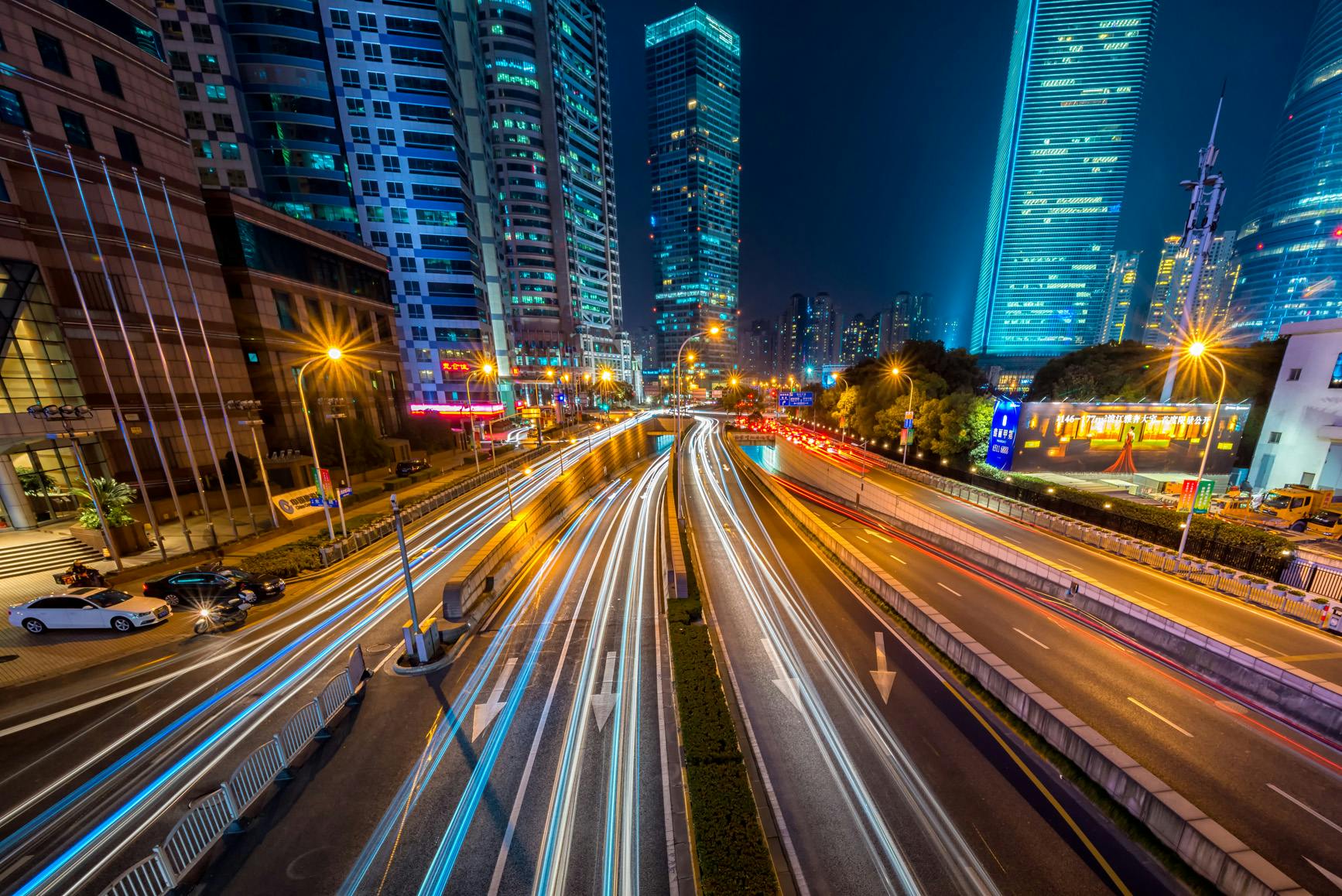
Investments in modern infrastructure—roads, bridges, digital networks, and energy systems—could strengthen economic stability. Smart urban planning and upgraded energy grids help meet growing demand, while an efficient tax system supports these investments without excessive public debt. (americanprogress.org)
II. Global Power and Geopolitics
1. A Multipolar World
By 2030, global power is likely to be more distributed. The U.S. remains influential but shares its leadership with other major economies, particularly in Asia. Economic competitiveness depends increasingly on innovation, coalition-building, and strategic alliances. (dni.gov)
2. Security Challenges
Emerging technologies, including cyber capabilities and AI, could create new risks. Migration pressures, resource scarcity, and climate-related challenges may also affect national and international security. Effective governance and global collaboration will be essential to mitigate these risks. (cfr.org)

III. Energy, Environment, and Climate
1. Clean Energy Revolution
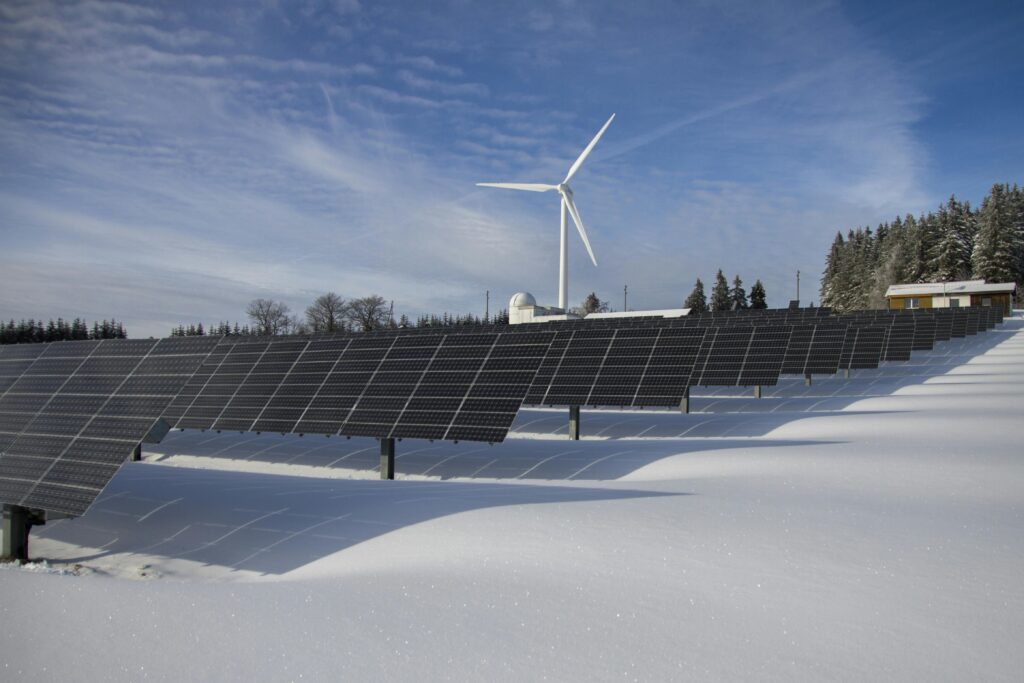
The U.S. has the potential to achieve 80% clean electricity by 2030. Investments in renewable energy, energy storage, and smart grids could reduce emissions and health risks while creating millions of jobs. (energyinnovation.org)
2. Equity and Environmental Justice
Clean energy policies may prioritize communities historically affected by pollution. By integrating social equity into climate strategies, America could build a sustainable and just energy transition. (americanprogress.org)
3. Transportation Transformation
Transitioning to zero-emission vehicles, expanding EV infrastructure, and promoting efficient public transit could dramatically cut transportation emissions. (nrdc.org)
IV. Demographics and Social Change
1. A Diverse and Growing Population
By 2030, the U.S. population is projected to reach around 360 million, with increasing racial and cultural diversity. Immigration continues to play a key role in population growth, innovation, and the labor force. (americanprogress.org)
2. Education and Social Mobility
Universal pre-K, improved school systems, and access to continuous training could increase social mobility, reduce inequality, and prepare the workforce for future jobs. (americanprogress.org)
V. Risks and Challenges
- Economic Inequality: Without targeted policies, gains from technological and economic growth could be unevenly distributed.
- Rapid Technological Change: AI, biotech, and automation may outpace regulation, creating potential ethical, social, and security challenges.
- Infrastructure Stress: Energy demand, climate risks, and urban growth could strain existing systems if investment is insufficient. (reuters.com)
- Geopolitical Competition: A multipolar world increases complexity in foreign policy and international collaboration.
VI. A Possible Scenario: Resilient and Innovative America
By 2030, a plausible vision of America includes:
- Economic Resilience: Growth driven by green industries, technology, and human capital.
- Global Leadership: Strong influence through alliances, innovation, and soft power.
- Environmental Sustainability: Significant clean energy adoption and climate-conscious urban planning.
- Social Cohesion: Diverse, educated, and adaptable population benefiting from equitable policies.
Challenges remain, but with strategic investment, policy foresight, and innovation, America could thrive in an increasingly complex world.
References
- Center for American Progress. The American Economy as It Could Be in 2030. Link
- National Intelligence Council. Global Trends 2030. Link
- Energy Innovation / UC Berkeley. 2030 Report: Powering America’s Clean Economy. Link
- Center for American Progress. A 100 Percent Clean Future. Link
- NRDC. 2030 U.S. NDC: Policy Progress in all Corners of the Economy. Link
- Council on Foreign Relations. Through the Glass Darkly: What U.S. Intelligence Predicts for 2030. Link
- Reuters. Lack of New U.S. Power Capacity Could Double Blackouts by 2030. Link