In the darkest years of World War I, when hatred divided nations and mercy seemed forgotten, one woman chose compassion over conflict.
Her name was Edith Cavell — a British nurse who believed that saving lives mattered more than choosing sides.
Her courage transformed her into a timeless symbol of humanity and moral strength.
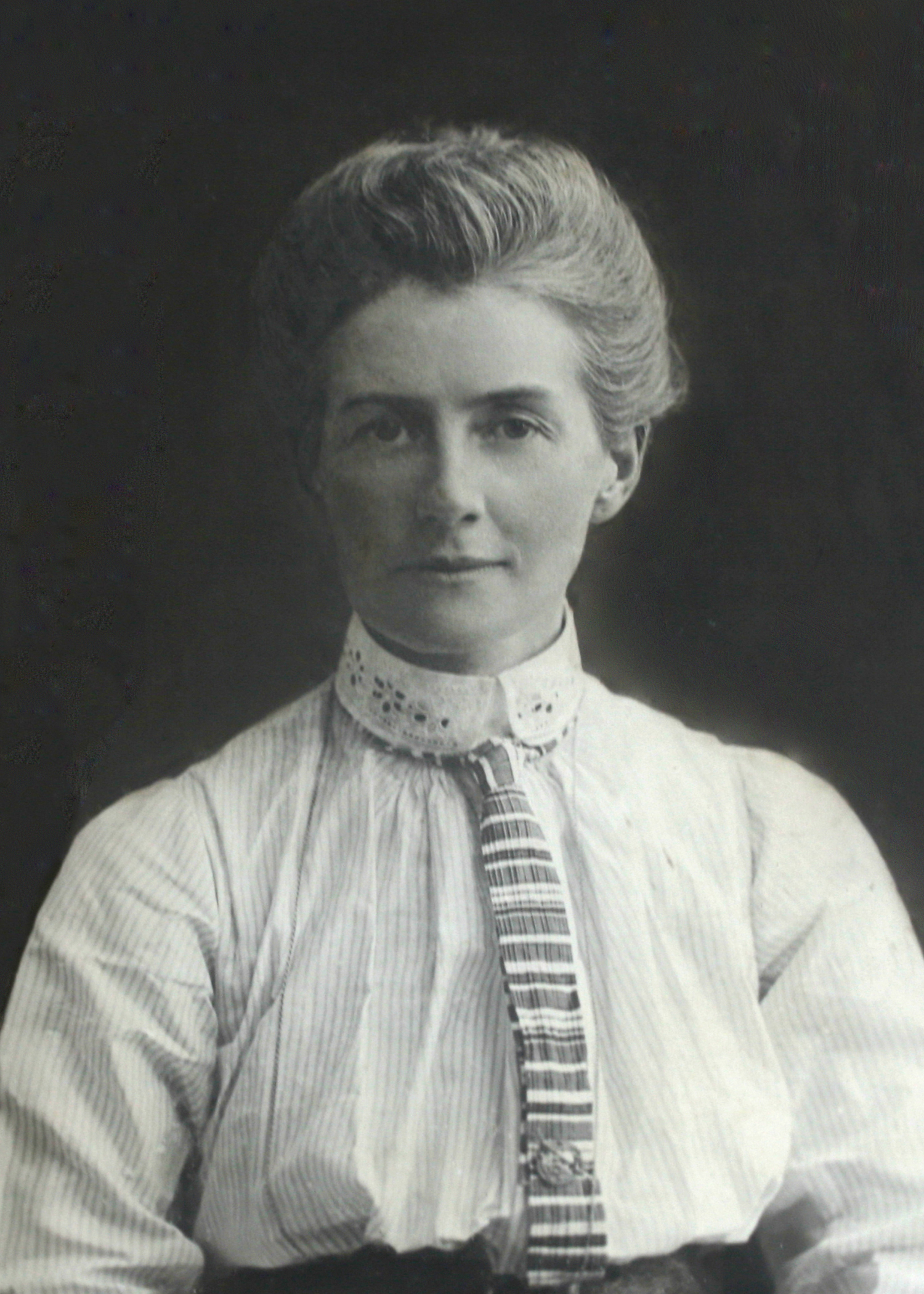
The Early Years — A Calling Beyond Borders
Born in Norfolk, England, in 1865, Edith Cavell grew up in a modest but deeply moral home. Her father, a village priest, taught her empathy and duty to others.
According to the Imperial War Museum Archives, Edith showed early signs of leadership and service. After training as a nurse in London, she earned respect for her discipline, compassion, and commitment to patient care.
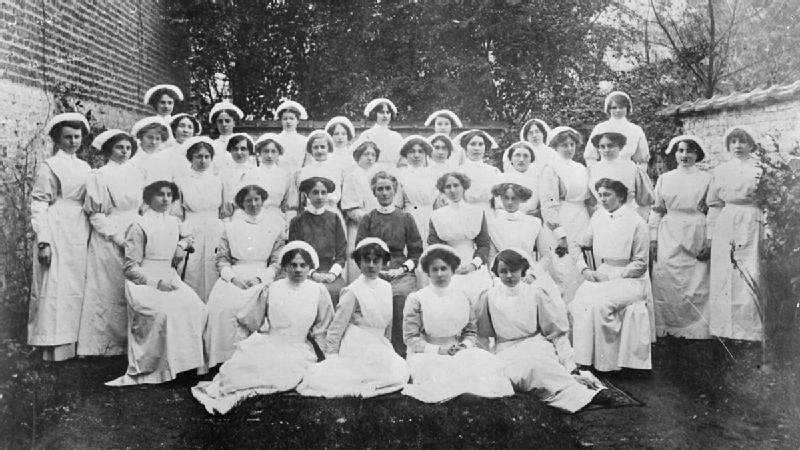
By 1907, she was invited to Brussels, Belgium, to establish a modern nursing school. When the Great War erupted in 1914, she refused to flee.
Instead, she turned her school into a hospital that treated soldiers from both sides — British, French, and even German.
“I can’t stop while there are lives to be saved,” she said, as quoted in BBC History: The Life and Death of Edith Cavell.
The Secret Network — A Nurse Becomes a Savior
As the war intensified, German forces occupied Brussels, and wounded Allied soldiers found themselves trapped behind enemy lines.
Edith saw their suffering daily and knew neutrality wasn’t enough.
Working with local patriots, she built an underground network to guide these men to safety through the Netherlands, a neutral country.
Historians estimate she helped more than 200 soldiers escape, a number confirmed by The National Archives (UK) in declassified wartime documents.
Her hospital became a haven, her nurses became messengers, and her compassion became her weapon.
In her own words, recorded before her arrest:
“Patriotism is not enough. I must have no hatred or bitterness toward anyone.”
Betrayal and Arrest — The Weight of Truth
In August 1915, a local informer revealed her operation to German authorities.
Edith was arrested and placed in St. Gilles Prison in Brussels.
During interrogation, she refused to lie.
She calmly confessed that she had aided Allied soldiers, fully aware that the punishment was death.
Records from the Royal College of Nursing Historical Archive show that she spent her final days comforting fellow prisoners rather than pleading for herself.
Even neutral nations like Spain and the United States appealed to save her life, but the German military command refused mercy.
The Final Morning — Courage in Silence
On October 12, 1915, before dawn, Edith Cavell was led to Tir National, a firing range outside Brussels.
A British chaplain, Reverend Stirling Gahan, later described her as calm, composed, and unafraid.
Her final words were immortalized by The Times (1915):
“Standing as I do in view of God and eternity, I realize that patriotism is not enough. I must have no hatred or bitterness toward anyone.”
Moments later, she was executed.
But instead of silencing her, the world began to hear her voice louder than ever before.
The Aftermath — The World Honors a Hero
When news of her execution reached Britain, it caused international outrage.
Even Germany faced criticism for killing a nurse whose only “crime” was compassion.
According to Diana Souhami’s book Edith Cavell: Nurse, Martyr, Heroine (Faber & Faber, 2010), her death inspired waves of volunteers to join the nursing corps, and she became a moral symbol of wartime humanity.
In 1919, her remains were returned to England.
Thousands lined the streets of London during her funeral procession before she was laid to rest near Norwich Cathedral.
Her grave, still visited today, bears the simple inscription: “For King and Country.”
But her true legacy lives in something larger than nationalism — the universal duty to care.
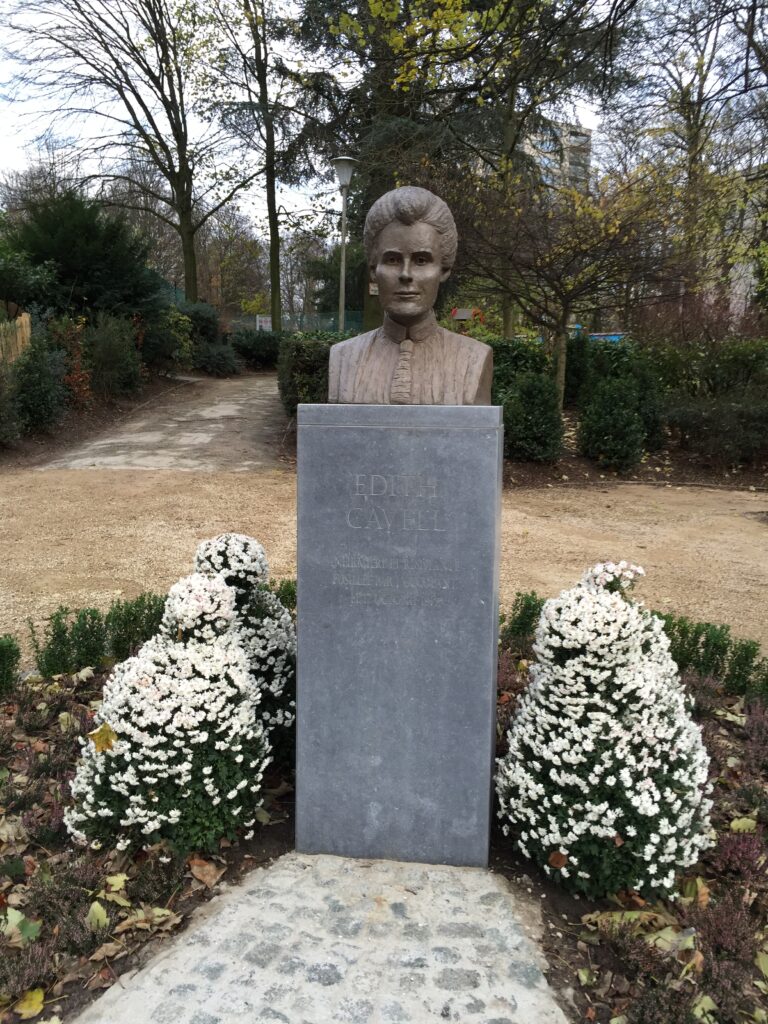
The Legacy Lives On — Humanity Before Conflict
Edith Cavell’s work reshaped modern nursing.
Hospitals and memorials worldwide continue to carry her name — including Mount Edith Cavell in Canada and the Cavell Nurses’ Trust in the UK.
Her example inspired generations of nurses who chose healing over hatred.
The Imperial War Museum describes her as “a pioneer of ethical courage” — someone who showed that even in war, moral choices define humanity.
Lessons from Edith Cavell
Today, her story feels more relevant than ever.
When the world divides itself again through war, politics, and fear, her life teaches us that compassion must always come first.
She didn’t just save soldiers — she saved the idea of humanity itself.
In the darkest years of World War I, when hatred divided nations and mercy seemed forgotten, one woman chose compassion over conflict.
Her name was Edith Cavell — a British nurse who believed that saving lives mattered more than choosing sides.
Her courage transformed her into a timeless symbol of humanity and moral strength.

Image Credit: Wikimedia Commons (CC BY-SA 4.0)