Introduction
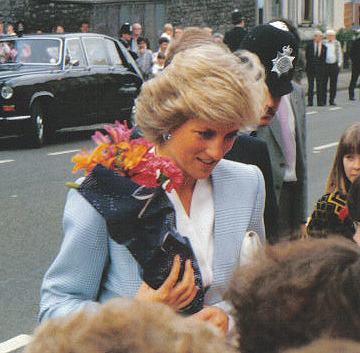
Princess Diana, known worldwide as “The People’s Princess,” was more than a royal figure — she was a global symbol of compassion, courage, and humanity. Her story, filled with love, loss, and resilience, continues to touch millions even decades after her death.
Behind the glamorous royal image was a woman who felt deeply, loved sincerely, and used her voice to help those the world ignored. This is the untold story of Princess Diana, the Queen of Hearts who changed how the world saw royalty.
Early Life and Family Background
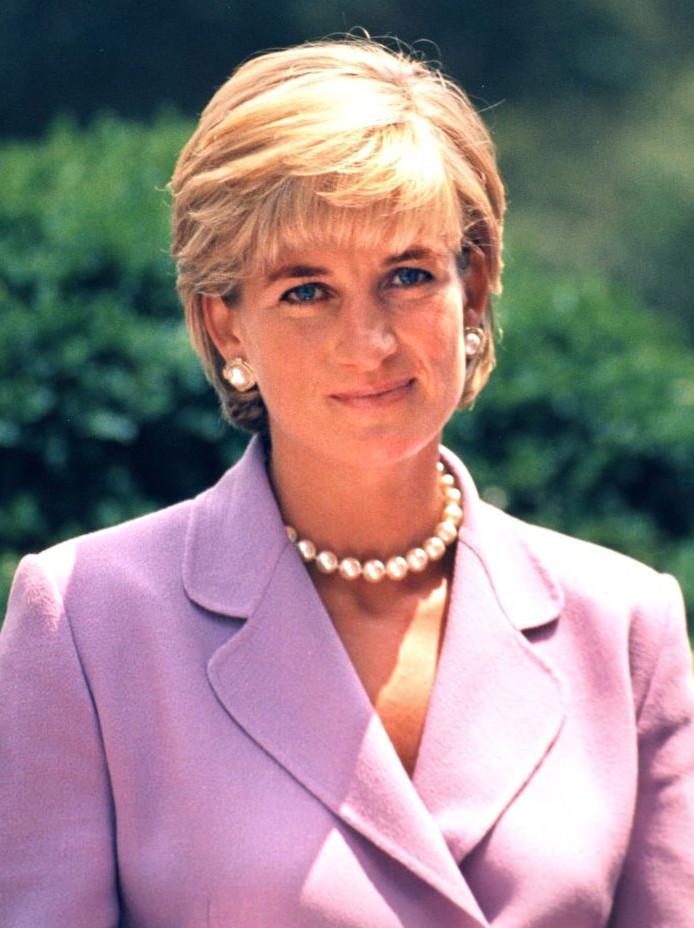
Diana Frances Spencer was born on 1 July 1961 in Norfolk, England, at Park House on the Sandringham Estate. She was the third daughter of Edward John Spencer (later the 8th Earl Spencer) and Frances Ruth Burke Roche.
Her childhood was privileged but painful. When Diana was just eight years old, her parents divorced — a trauma that shaped her empathy for others in emotional pain.
She was educated at Riddlesworth Hall School and later at West Heath School, where teachers described her as “quiet, caring, and shy.” After finishing school in Switzerland, she returned to London and worked as a nanny and kindergarten teacher — a humble start for a future princess.
(Reference: Encyclopedia Britannica)
The Royal Love Story That Captivated the World
In February 1981, Diana’s engagement to Prince Charles, heir to the British throne, was announced. The world instantly fell in love with her gentle demeanor and charm.
Their wedding, held on 29 July 1981 at St. Paul’s Cathedral, was watched by an estimated 750 million people worldwide. It was called “a fairy tale come true.”
Diana became the Princess of Wales, and soon gave birth to Prince William (1982) and Prince Harry (1984) — the two boys who would become her greatest joy and source of pride.
(Reference: Biography.com – Princess Diana)
The Struggles Behind the Smile
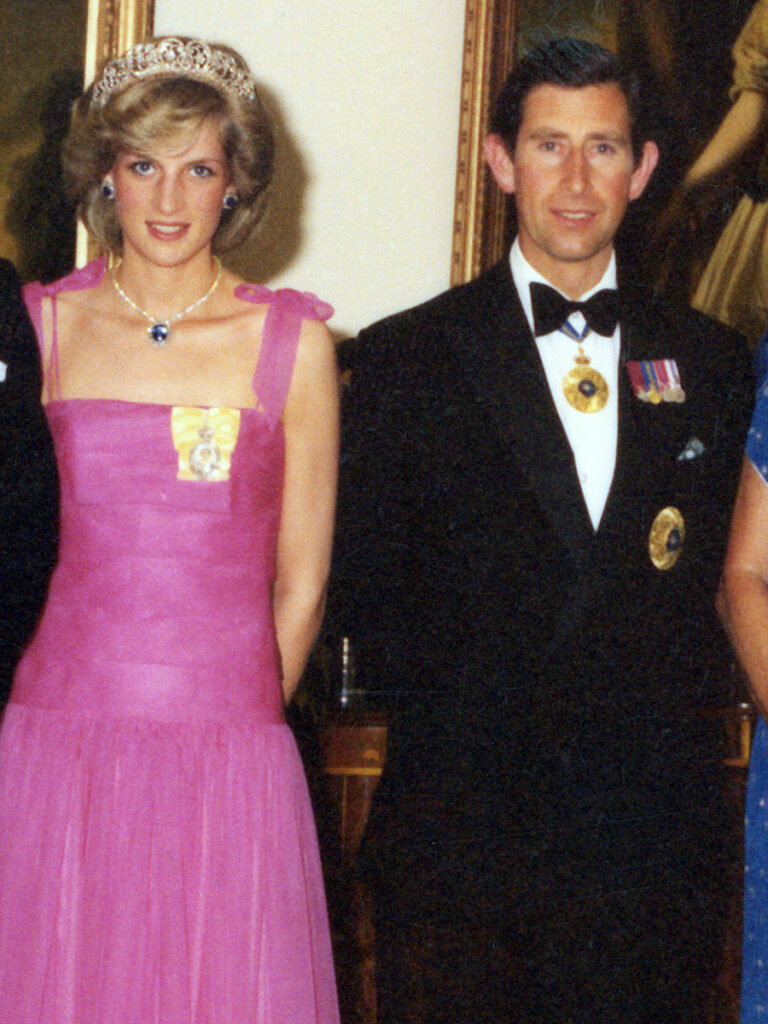
Though Diana’s public life sparkled with fame, her private life was filled with struggle. The marriage soon grew strained, largely due to Prince Charles’ relationship with Camilla Parker Bowles.
In later interviews, Diana revealed how painful this betrayal was, saying:
“There were three of us in this marriage, so it was a bit crowded.”
She also suffered from post-natal depression and bulimia, both worsened by relentless media intrusion. Yet she continued to fulfill her royal duties with grace, compassion, and authenticity.
(Reference: Royal.uk – Diana, Princess of Wales)
The People’s Princess: Her Humanitarian Mission
Even amid personal turmoil, Diana’s heart was always open to others. She became a global humanitarian icon, dedicating her life to causes often ignored by the powerful.
Her work included:
- Visiting AIDS patients without gloves, breaking stigma worldwide.
- Campaigning against landmines in war-torn nations.
- Supporting homeless shelters, hospitals, and children’s charities.
She once said:
“I don’t go by the rule book. I lead from the heart, not the head.”
Her compassion reshaped how the world viewed royalty — not as distant monarchs, but as empathetic human beings.

The Final Years: Freedom and Tragedy
After her divorce from Prince Charles in 1996, Diana began a new chapter — free from royal duty, but not from media scrutiny.
In her last year, she dedicated herself to global humanitarian work, including her historic walk through an Angolan landmine field in 1997 — a moment that changed public policy worldwide.
Tragically, on 31 August 1997, Diana died in a car crash in Paris alongside Dodi Al-Fayed. The world plunged into grief. Millions gathered at Kensington Palace to lay flowers, and even the Queen was moved to honor her memory publicly.
Her funeral, watched by over 2 billion people, remains one of the most emotional moments in modern history.
(Reference: Encyclopedia Britannica – Princess Diana)
Her Legacy Lives On
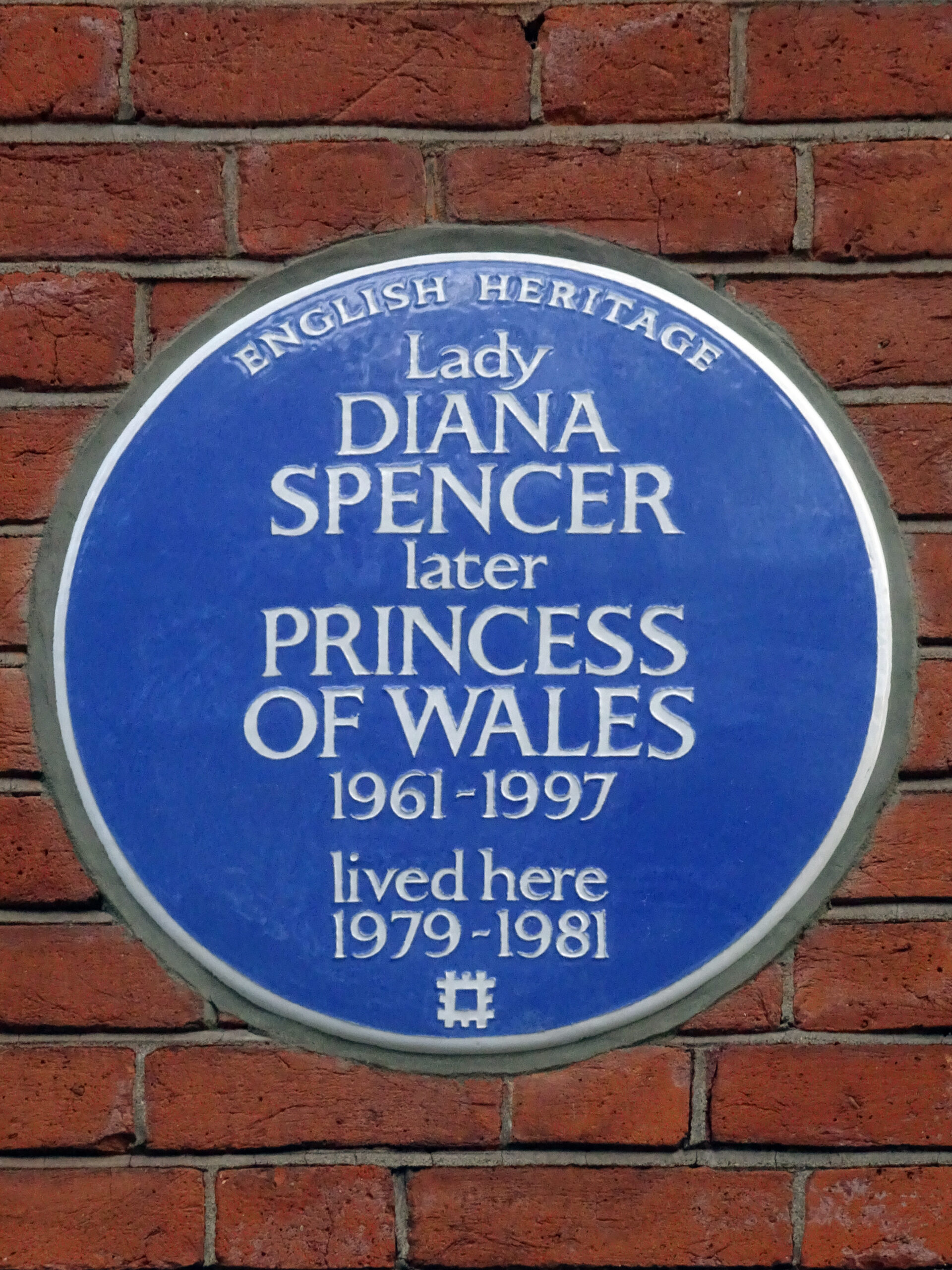
Princess Diana’s legacy is not limited to history books — it lives in every act of kindness her story inspires.
Her sons, Prince William and Prince Harry, continue her humanitarian mission through their own charities and mental health campaigns. A statue honoring her was unveiled in Kensington Palace Gardens in 2021, symbolizing the eternal impact she left behind.
As former British Prime Minister Tony Blair said in 1997:
“She was the People’s Princess, and that’s how she will remain — in our hearts and our history.”
Lessons from Diana’s Life
- True royalty is shown through kindness, not crowns.
- Vulnerability is not weakness; it is the root of empathy.
- Even when the world watches, staying true to yourself is the greatest power.
Her life teaches that love and humanity can outshine power and privilege — a message that continues to inspire generations.
Conclusion
Princess Diana’s life was filled with contrasts — royalty and pain, glamour and loneliness, fame and sacrifice. Yet, her story remains one of hope, courage, and compassion.
She redefined what it meant to be royal — by being real. Her heart connected with millions because it understood pain, and her compassion healed those the world forgot.
Though her life was cut short, her spirit continues to whisper across generations:
“Carry love wherever you go. It is the greatest gift of all.”
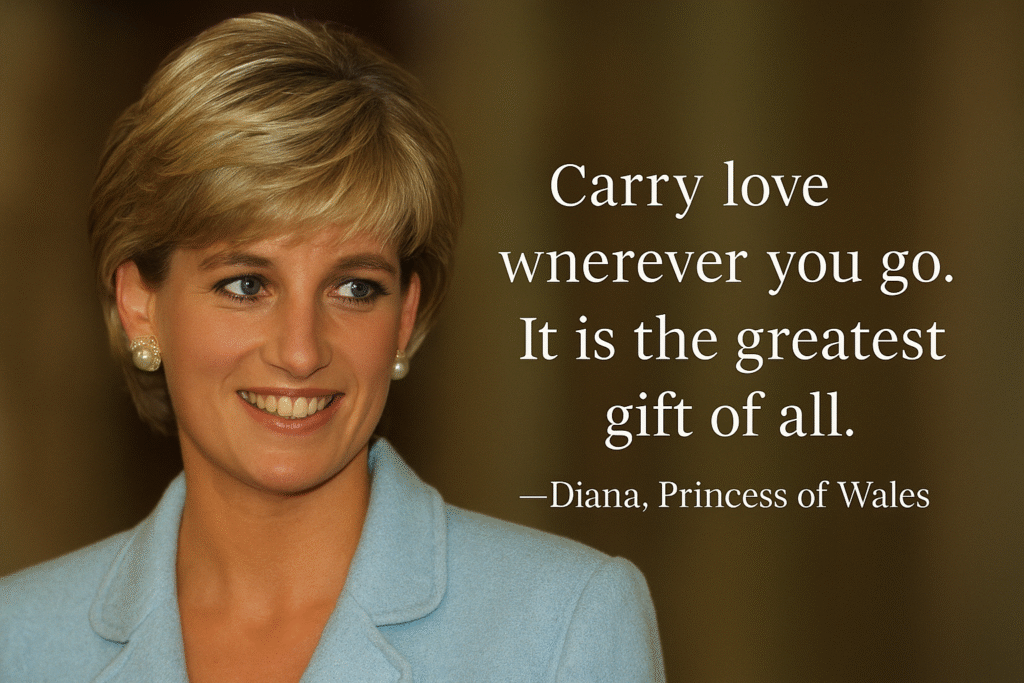
Image Credit: Wikimedia Commons (CC BY-SA 4.0)
Sach a beautiful princess 👸.