Introduction: The House That Refused to Die
There are houses that stand silent, forgotten by time — and then there are houses that refuse to sleep.
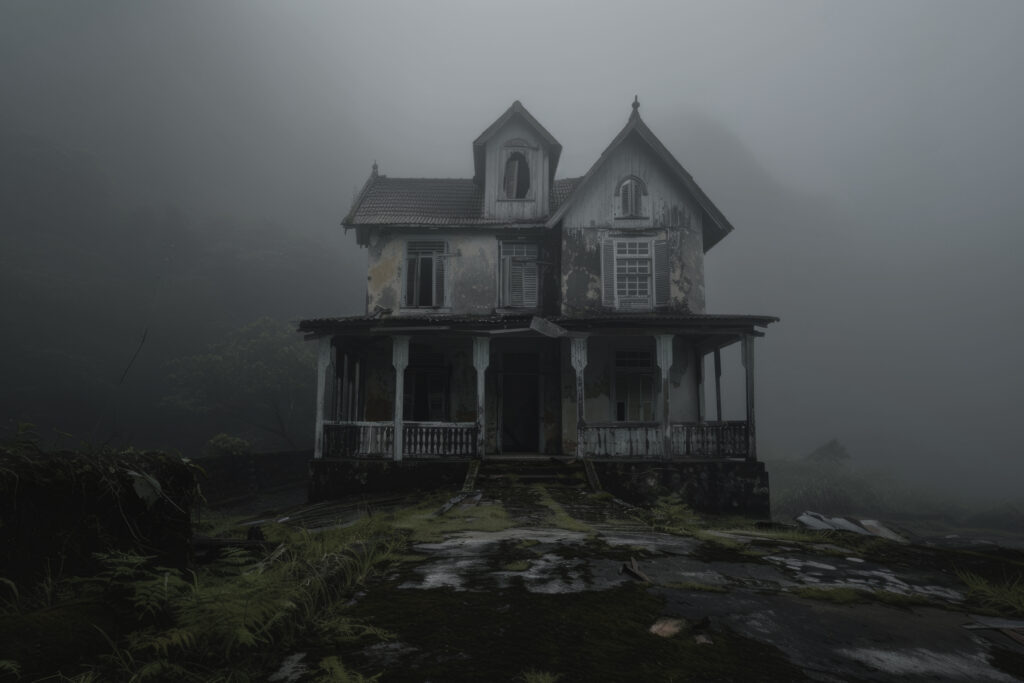
In a quiet village on the outskirts of Yorkshire, England, there stands an old mansion the locals call The House That Never Slept.
They say its walls whisper at night. They say its windows never close. But behind these stories lies something much deeper — a truth about fear, loss, and the strange ways the human soul tries to hold on.
A History Written in Shadows
Built in 1892, the house once belonged to Sir William Crayford, a retired judge known for his wealth and severe sense of justice.
He lived there with his wife, Eleanor, who was said to be gentle and kind — until she disappeared without a trace in the winter of 1901.
Her body was never found. No farewell letter. No clue. Just a half-burned candle and a single shoe left near the staircase.
Rumors grew. Some said she ran away; others whispered that she still walked the corridors, searching for something she never found in life.
The Return of the Soundless Footsteps
After Sir William’s death, the house was locked and abandoned. For nearly fifty years, no one dared to enter.
But in 1950, a family from Manchester bought the property — the Thompsons, a couple with three children looking for peace and countryside air.
On their first night, the youngest child woke up screaming.
He told his mother he had seen “a woman in white” standing near his bed, holding a candle and crying silently.
At first, they thought it was a dream.
Until the same thing happened again.
And again.
And the mother began to hear footsteps pacing the hallway every night at 2:15 a.m. — the exact time Eleanor Crayford had disappeared fifty years earlier.
The Unseen Room
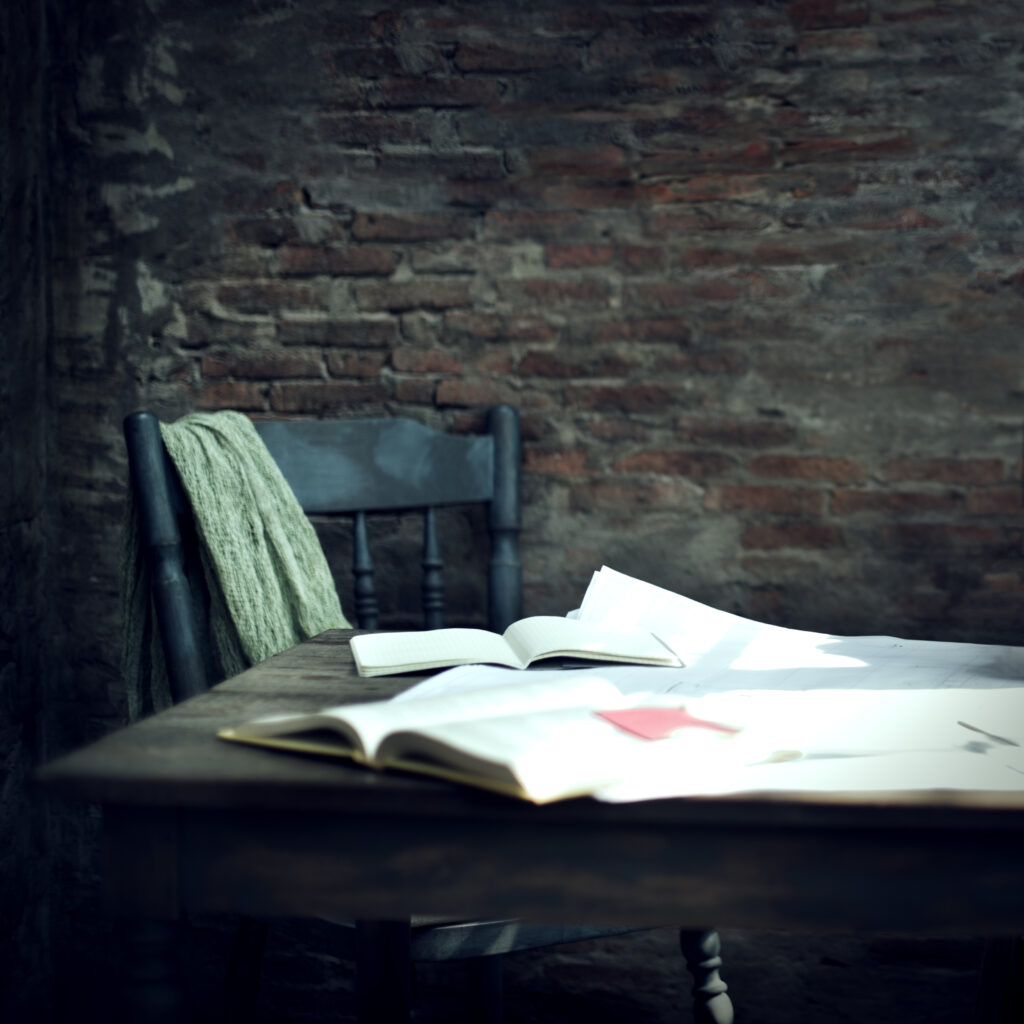
When workers came to repair the roof, they discovered a hidden room behind the library wall — sealed with brick and plaster.
Inside lay old furniture, a broken mirror, and a diary covered in dust. The diary belonged to Eleanor Crayford.
In her final entry, she wrote:
“I hear him calling me again, even in the walls. This house knows too much. If I disappear, remember — I never wanted to leave.”
Experts later found strange traces of lime and bone dust within the walls, though no official report ever confirmed it.
The Scientists Who Tried to Explain It
In 1973, a group of paranormal researchers from Oxford University visited the site.
Their recordings captured low-frequency vibrations — often linked to infrasound, the kind of sound that causes fear and panic in humans.
But one of the researchers wrote privately in his notes:
“The house feels aware. It reacts when spoken to.
Whether ghost or memory, it listens.”
When the research team tried to spend the night, one member — a skeptic named Dr. Howard — fled at dawn, refusing to speak of what he saw.
He later resigned from the university.
The Meaning Beneath the Mystery
Over the years, many stories about the house became legends — doors that opened by themselves, whispers that said names no one knew, and portraits that seemed to watch you move.
But beyond the supernatural, this story reveals something deeply human:
We all build walls — to hide pain, to bury guilt, to keep our secrets safe.
Yet sometimes, what we bury doesn’t stay buried.
The “haunted walls” are not always physical. Sometimes, they are inside us — memories that refuse to rest.
A House That Teaches Us to Listen
Today, the house still stands, quiet and weathered by time.
Tourists visit, thrill-seekers knock on its doors, and locals still warn, “Don’t stay after midnight.”
But maybe, the real message of The House That Never Slept isn’t about ghosts at all.
It’s about learning to face what scares us — not to destroy the darkness, but to understand it.
Because sometimes, the bravest thing we can do is open the door we’ve been most afraid to touch.
Conclusion
Every brick of that old house tells a story — of love, of loss, and of the refusal to be forgotten.
Maybe it’s not haunted by the dead, but by the truth we all try to hide.
And perhaps, that’s the real haunting — the echo of what we never had the courage to say.
🧟♀️ ! I really afraid 😱. Keep up the good work and amazing