Introduction
There are people who live ordinary lives, and then there are those who rise above fear, pain, and struggle to inspire the entire world.
Malala Yousafzai is one such name — a symbol of courage, hope, and determination. Born in Pakistan’s Swat Valley, she stood against the darkness of oppression when girls were being denied their right to education. Even a bullet could not silence her voice. Today, Malala stands as a global icon for peace, education, and equality.
“One child, one teacher, one book, and one pen can change the world.” – Malala Yousafzai
Early Life and Childhood in Swat Valley
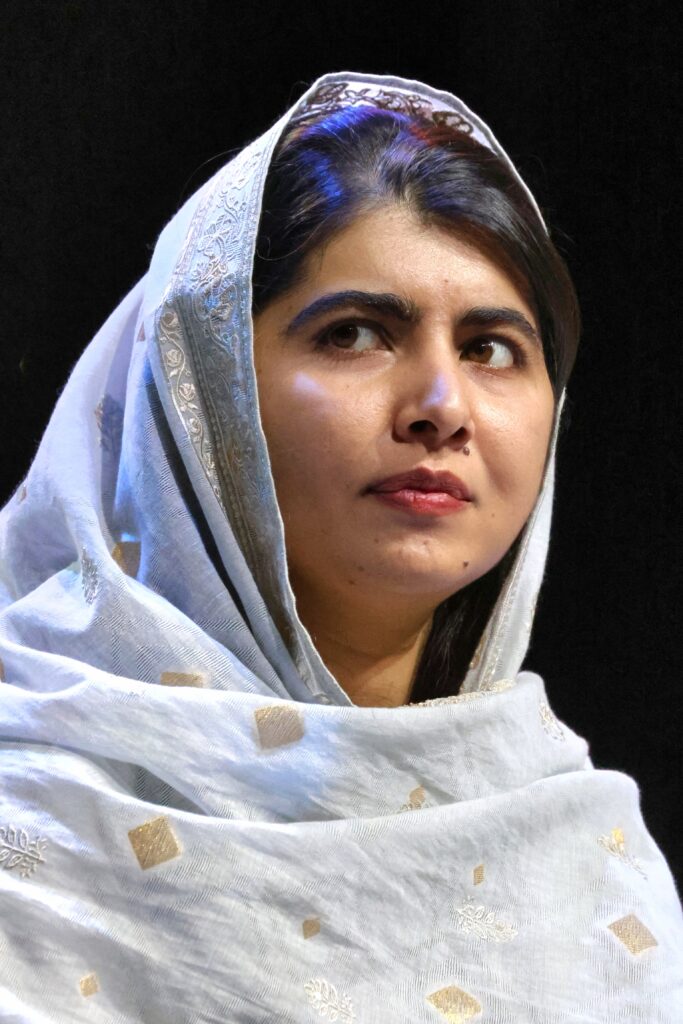
Malala Yousafzai was born on July 12, 1997, in Mingora, Swat Valley, Pakistan.
Her father, Ziauddin Yousafzai, was an educator, poet, and activist who believed in equal rights for girls. Her mother, Toor Pekai Yousafzai, was a loving homemaker who deeply supported her daughter’s dreams.
From a very young age, Malala was different. While other children were shy, she would stand tall and speak boldly, inspired by her father’s passion for education and social justice.
Her father ran a school, and Malala loved learning. She dreamed of becoming a doctor, but soon, her destiny led her to a much larger role.
“I told myself, Malala, you must stand up for what you believe. Even if you are alone.”
The Rise of Darkness – Taliban in Swat
In the late 2000s, the Taliban gained control of Swat Valley. They destroyed schools, banned girls from attending classes, and spread fear across the valley. For young girls like Malala, books became symbols of rebellion.
Malala, just a schoolgirl, was not afraid. She started speaking in public gatherings, writing about the struggle of girls in Swat, and highlighting the injustice of denying education to half of society.
At just 11 years old, she began blogging for the BBC Urdu Service under the pseudonym Gul Makai. Her diary revealed the harsh truth of life under Taliban rule: bombings, fear, closed schools, and the silent suffering of children.
This was the beginning of her journey as a voice of courage.
The Attack That Shocked the World
On October 9, 2012, while returning home from school, Malala’s bus was stopped by Taliban gunmen. They shot her in the head — an attempt to silence her forever.
The world was horrified. Newspapers across the globe carried her story. Prayers poured in from millions. Doctors in Pakistan, then in the UK, worked tirelessly to save her life.
But fate had chosen Malala for a greater mission. Against all odds, she survived.
“They thought the bullet would silence me, but they failed. Out of that silence came thousands of voices.”
Survival and Global Recognition
After her recovery, Malala moved to the UK for treatment. But instead of hiding, she came back stronger than ever.
She continued her fight for education, speaking at the United Nations on her 16th birthday. That speech became historic:
“Let us pick up our books and our pens, they are the most powerful weapons.”
Her courage transformed her into a global leader for children’s rights.
Malala Fund – A Mission Beyond Borders
Malala co-founded the Malala Fund, a non-profit organization that works to ensure girls around the world receive 12 years of free, safe, quality education.
From Africa to Asia, from refugee camps to rural villages, her foundation supports education programs that give girls a chance to dream.
This was not just about Malala anymore — it was about millions of young girls who deserved a future.
The Nobel Peace Prize
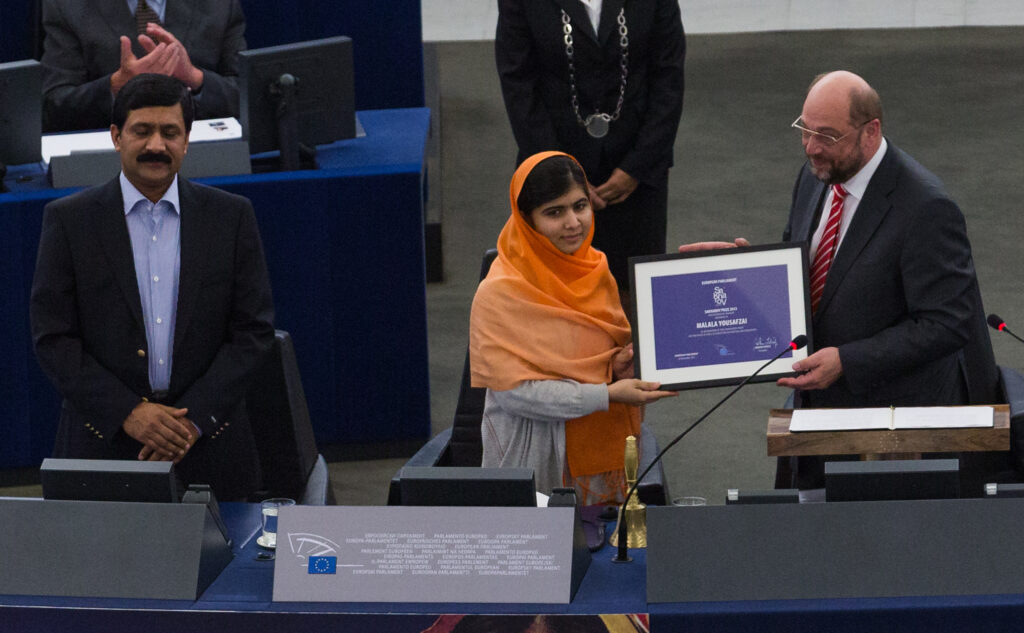
In 2014, at the age of 17, Malala became the youngest-ever Nobel Peace Prize winner. She shared the award with Kailash Satyarthi, an Indian child rights activist.
This moment was not just a personal victory — it was a victory for every girl denied education, every child silenced by fear, and every young voice longing for freedom.
Education, Equality, and Activism
Malala has since become a global ambassador for education and women’s rights.
She studied at the University of Oxford, proving that her own education journey remained just as important as her activism.
Her book, “I Am Malala”, became an international bestseller, inspiring millions worldwide.
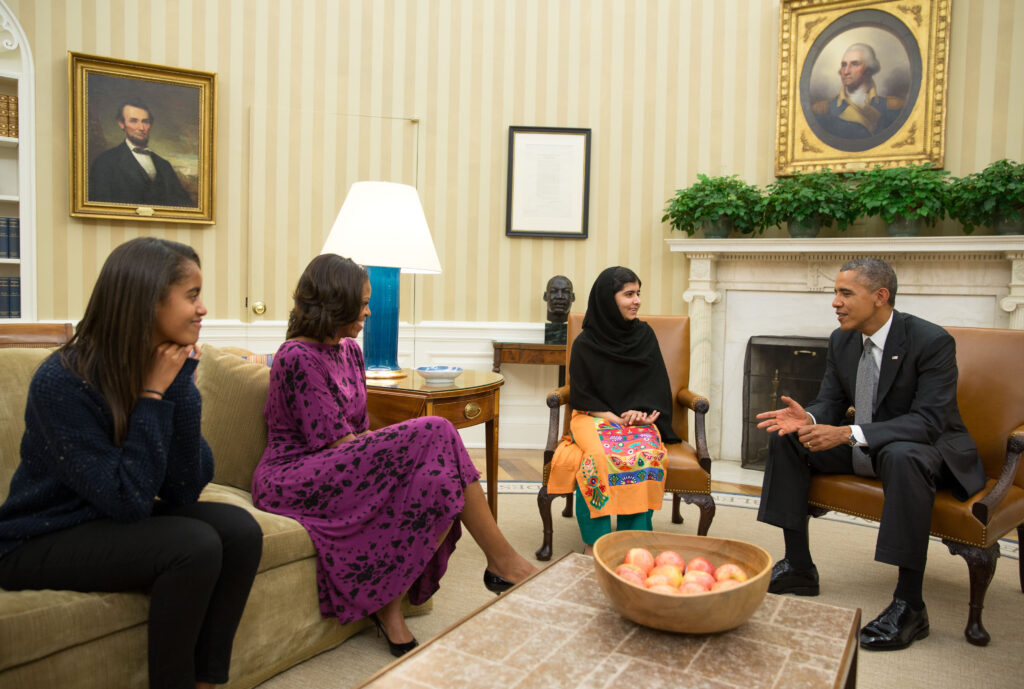
From addressing the United Nations to meeting world leaders, Malala continues to spread one message: education is the key to peace.
Personal Life and Values
Despite her fame, Malala remains humble and grounded. She often speaks about her love for her family, her Pakistani culture, and her dream of returning home to Swat one day.
In 2021, Malala married Asser Malik, a cricket official. Even in her personal life, she believes in equality, mutual respect, and shared dreams.
Malala’s Legacy – A Voice That Will Never Die
Malala is more than just a survivor. She is a symbol of hope for millions. Her story tells the world that:
- Courage can defeat fear.
- A single voice can spark a global movement.
- Education is not a privilege — it is a right.
Her journey continues, and her voice remains louder than ever.
“When the whole world is silent, even one voice becomes powerful.” – Malala Yousafzai
FAQs About Malala Yousafzai
Q1: Who are Malala’s parents?
Her father is Ziauddin Yousafzai, an educator and activist, and her mother is Toor Pekai Yousafzai.
Q2: When was Malala born?
She was born on July 12, 1997, in Mingora, Swat Valley, Pakistan.
Q3: Why did Malala win the Nobel Peace Prize?
She was awarded for her struggle against the suppression of children and young people and for the right of all children to education.
Q4: What is the Malala Fund?
It is a non-profit organization founded by Malala that works to ensure girls everywhere can access education.
Q5: What book did Malala write?
Her memoir “I Am Malala” details her journey and activism.
Conclusion
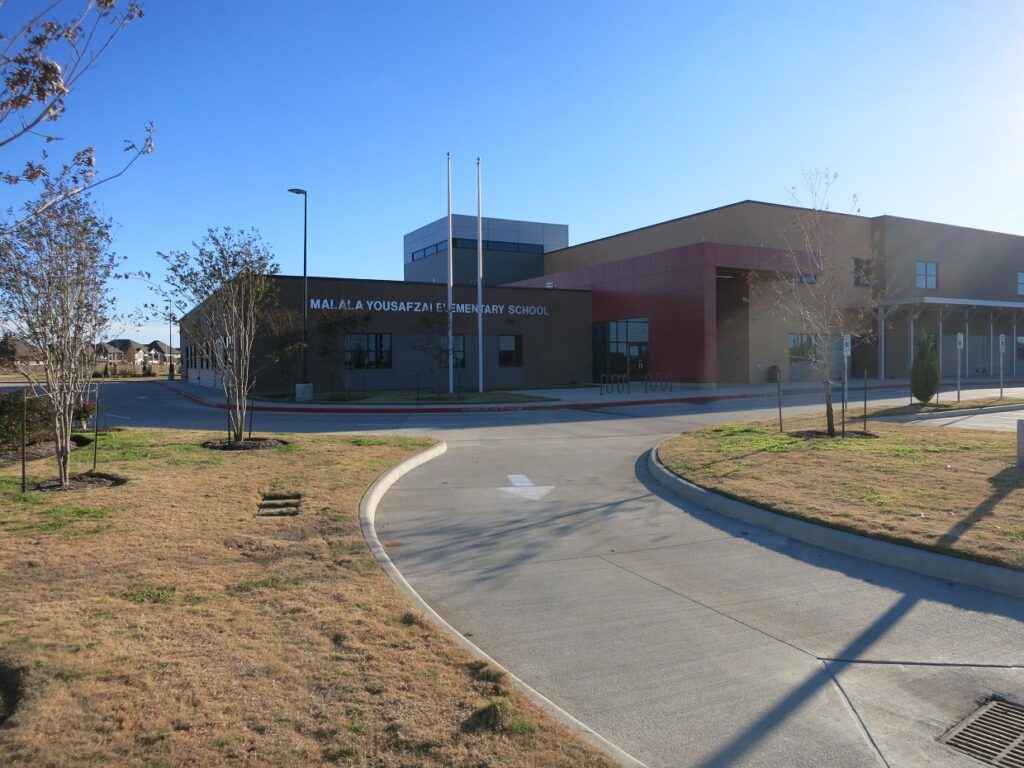
Malala Yousafzai’s life is a reminder that true heroes are not born in comfort — they rise from adversity. She stood tall when fear was everywhere, she raised her voice when silence was easier, and she gave hope when the world needed it most.
Her fight for education is not just her personal mission — it is the battle of every girl denied her rights, every child kept away from school, and every young dream waiting to be unlocked.
Today, Malala is not only Pakistan’s daughter but also the world’s daughter of hope. Her courage has carved her name into history, and her voice will continue to echo across generations.
The bullet that was meant to silence her gave birth to a voice that will never die.