Introduction: Scholars as the Memory of Civilization
Civilizations do not collapse the moment armies lose battles; they collapse when their memory fades. In Islamic civilization, that memory was protected by scholars. Muslim historians were not merely writers of past events; they were guardians of truth, observers of society, and critics of power. They understood that history, if distorted, becomes a tool of oppression, but if preserved honestly, it becomes a source of wisdom.
Unlike many pre-modern societies where history served rulers, Islamic history was largely written by independent scholars whose authority came from knowledge, not from political power. This independence gave Islamic historiography its remarkable depth, transparency, and credibility.
1. The Role of Scholars in Islamic Society
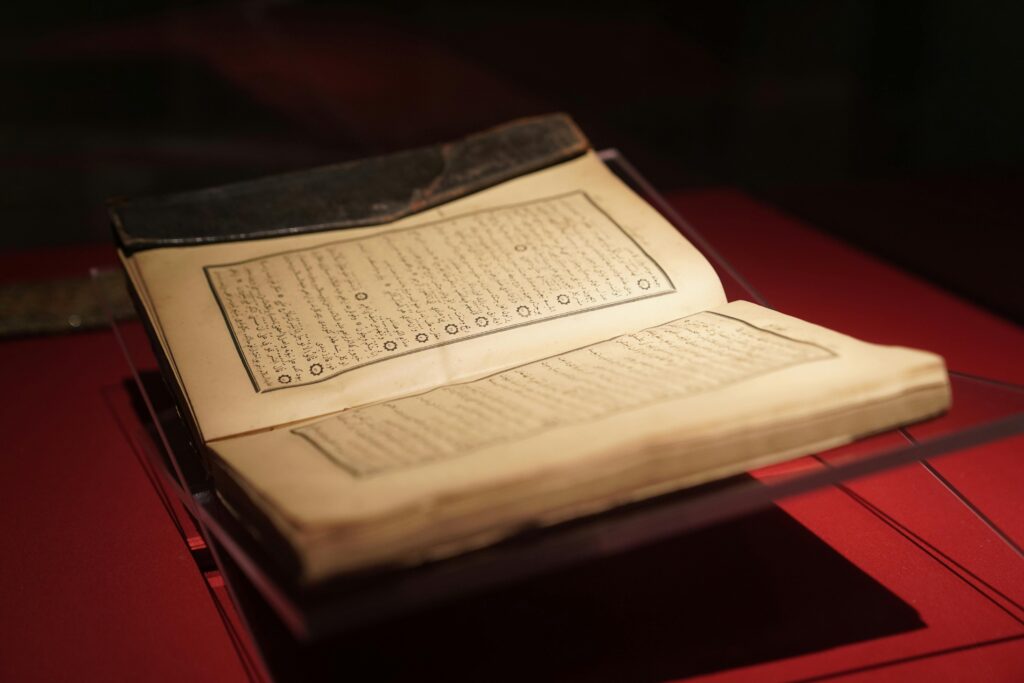
In Islamic civilization, scholars occupied a unique social position. They were not confined to universities or courts. They taught in mosques, advised rulers, judged legal cases, and educated the public. Because their income often came from teaching or endowments rather than rulers, many historians maintained intellectual independence.
This independence allowed Muslim historians to record uncomfortable truths: political corruption, moral decline, failed leadership, and social injustice. History was not written to flatter caliphs but to warn future generations. This moral responsibility shaped how scholars approached historical writing.
2. Islamic Historiography as a Scholar-Driven Tradition
Islamic historiography developed organically from scholarly culture rather than state control. Historians were trained in Hadith sciences, which emphasized accuracy, verification, and accountability. These principles naturally transferred into historical writing.
Muslim historians openly documented:
- Conflicting reports
- Weak narrations
- Uncertain dates
Rather than hiding contradictions, they preserved them. This transparency allowed later scholars to reassess evidence. Such honesty is rare even in modern historical traditions.
3. Al-Tabari: Preserving History Without Manipulation
Al-Tabari is often described as the architect of Islamic historical writing. His greatness lies not in dramatic storytelling but in disciplined restraint. He believed the historian’s duty was preservation, not interpretation.
In Tarikh al-Rusul wa al-Muluk, Al-Tabari carefully collected narrations from earlier scholars, naming his sources and transmitting reports without altering them to fit a narrative. He explicitly stated that responsibility for judgment lay with the reader.
This approach ensured that his work remained useful across centuries. Modern historians still rely on Al-Tabari because he preserved raw historical material with unmatched honesty.
4. Ibn Athir: Connecting Islamic History to the World
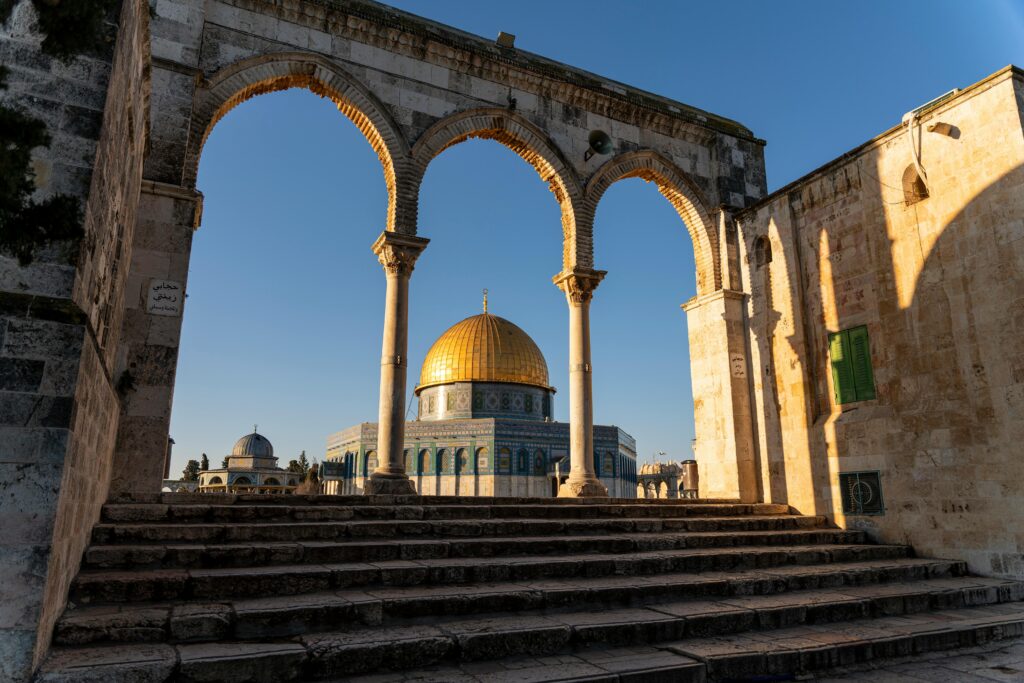
Ibn Athir represented a new phase in Muslim historiography. He recognized that Islamic civilization did not exist in isolation. His historical writing reflects awareness of global politics, especially interactions with Europe during the Crusades.
He analyzed:
- Military strategy
- Political alliances
- Consequences of leadership decisions
Ibn Athir’s work shows that Muslim historians were conscious of international dynamics and understood history as an interconnected human experience, not a closed religious narrative.
5. Ibn Kathir: History Guided by Revelation
Ibn Kathir approached history with a deep grounding in Qur’an and Hadith. His work Al-Bidaya wa al-Nihaya integrates historical narration with theological understanding, offering moral interpretation without sacrificing scholarly rigor.
He carefully distinguished between:
- Authentic reports
- Weak narrations
- Legendary exaggerations
Ibn Kathir rejected stories that contradicted established Islamic principles, demonstrating that faith did not weaken critical thinking but strengthened it. His work remains widely read because it balances belief, evidence, and ethics.
6. Ibn Khaldun: The Scientist of Civilization
Ibn Khaldun stands apart from all historians before him. He was not satisfied with recording events; he wanted to understand why history behaves the way it does.
In Muqaddimah, he introduced ideas that resemble modern sociology and economics. He explained how:
- Group solidarity (asabiyyah) creates power
- Luxury weakens societies
- Political authority eventually decays
He openly criticized historians who ignored logic, population limits, or economic realities. Ibn Khaldun transformed history from narration into analysis, centuries ahead of European thought.
7. Scholarly Ethics and Historical Integrity
Muslim historians followed strict ethical principles. Attribution was mandatory. Fabrication was considered a serious moral failure. Scholars openly corrected their own mistakes and accepted criticism from others.
Rewriting history books was common because scholarship was seen as a continuous process, not a finished product. This culture of correction strengthened historical reliability rather than weakening it.
8. The Abbasid Era: A Golden Age for Scholars
The Abbasid Caliphate created conditions where scholars could thrive. Libraries, translation centers, and educational institutions were funded and protected. Historians had access to earlier manuscripts, foreign sources, and scholarly networks.
This environment allowed historians to compare civilizations, cross-reference sources, and produce works of extraordinary scope. Without Abbasid support, much of classical Islamic historiography would never have existed.
9. Women and the Transmission of Historical Knowledge
Although fewer in number, women played an important role in preserving historical knowledge, particularly through Hadith transmission and teaching. Many male historians learned from female scholars whose reliability was widely respected.
Their participation demonstrates that Islamic scholarship was more inclusive than often assumed, and that historical transmission was a communal effort.
10. Decline of Scholarly Independence
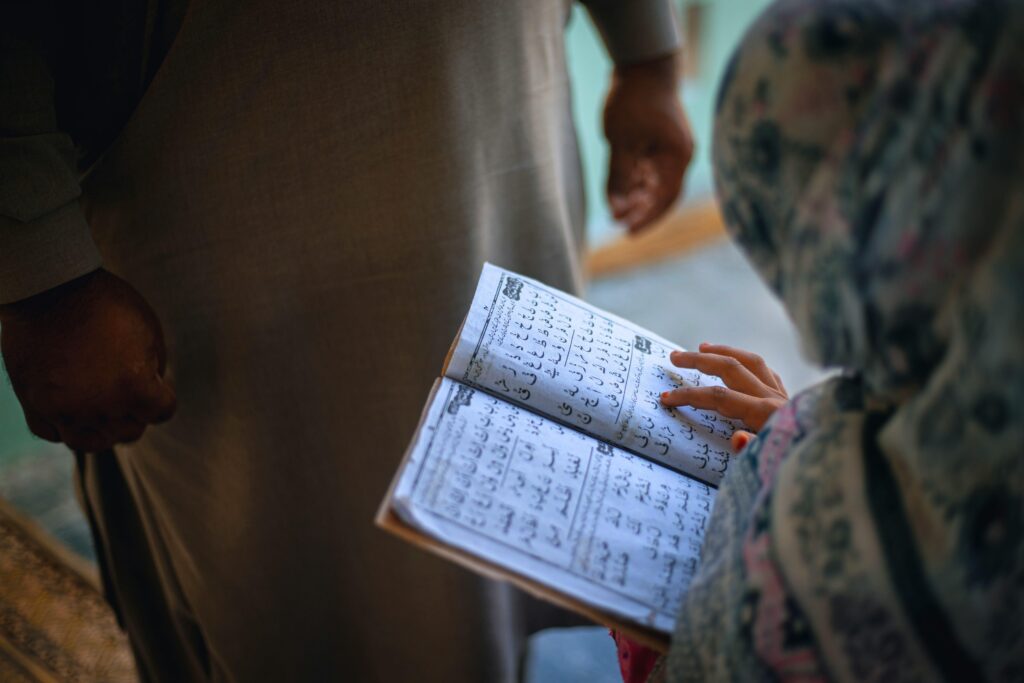
As political instability increased and patronage systems weakened, scholarly independence declined. Libraries were destroyed, funding disappeared, and critical voices were silenced. The decline of Muslim historians followed the decline of intellectual freedom.
History shows a clear pattern: when scholars lose independence, civilizations lose memory.
11. Why Muslim Historians Still Matter
Modern historians continue to rely on Muslim historians because their works:
- Preserve detailed medieval records
- Name sources transparently
- Offer long-term civilizational analysis
Without Muslim historians, large parts of world history would be fragmented or lost.
Conclusion: Scholars as Guardians of Truth
Muslim historians were not perfect, but they were principled. They believed history was a trust to be preserved honestly for future generations. Their legacy reminds us that civilizations survive through truthful scholarship, not propaganda.
History lives where scholars are respected.
References & Sources
- Al-Tabari, Tarikh al-Rusul wa al-Muluk
- Ibn Athir, Al-Kamil fi al-Tarikh
- Ibn Kathir, Al-Bidaya wa al-Nihaya
- Ibn Khaldun, Muqaddimah
- Franz Rosenthal, A History of Muslim Historiography
- Chase Robinson, Islamic Historiography
- Marshall Hodgson, The Venture of Islam