
A psychological journey of growth, healing, and letting go of unrealistic expectations
Perfection looks beautiful from the outside.
But on the inside, it silently suffocates the soul.
This is a story about a girl who spent years trying to be flawless—perfect marks, perfect appearance, perfect decisions, perfect behavior.
But perfection demanded something dangerous…
It demanded her happiness.
Her life changed only when she learned that real happiness lives in progress, not perfection.
The Weight of Perfectionism
Her name was Aaira, a girl raised to believe that perfection was success, and anything less meant failure.
She lived under invisible pressure:
- perfect grades
- perfect relationships
- perfect confidence
- perfect personality
- perfect future plans
But perfectionism is not discipline.
Perfectionism is fear—
the fear of not being enough.
Psychology calls this “maladaptive perfectionism”, where a person constantly feels inadequate no matter how much they achieve.
It makes people chase an illusion that never ends.
The Breaking Point
One night, after days of sleepless studying and emotional exhaustion, Aaira looked at her notebook and whispered:
“Why do I feel empty even after doing everything right?”
This question broke her.
She realized she was trying to satisfy a world that didn’t even notice her pain.
A world that praised her achievements but ignored her silent suffering.
A world that loved the idea of her—but not her real self.
That night, Aaira cried not because she failed…
but because she succeeded and still felt hollow.
The Turning Point – Meeting Herself for the First Time
The next morning, she sat by the window and noticed something she had never seen before:
A small plant she had planted months ago.
It wasn’t big. It wasn’t perfect.
But it had grown.
That tiny, imperfect plant gave her the biggest realization of her life:
“I don’t need to be perfect. I just need to grow.”
Just like that plant, her happiness existed in the process, not the result.
The Psychology Behind Happiness in Progress
Psychology explains that progress stimulates dopamine, the brain’s “motivation and joy” chemical.
Perfection does the opposite:
- It creates fear of failure
- It creates emotional pressure
- It creates unrealistic expectations
- It blocks creativity
- It destroys self-esteem
But progress—no matter how small—makes the brain feel rewarded.
This is called the Progress Principle, a scientifically proven concept stating:
Small improvements create more happiness than big achievements.
Aaira began to understand that life is not about doing everything right;
it’s about becoming a little better every day.
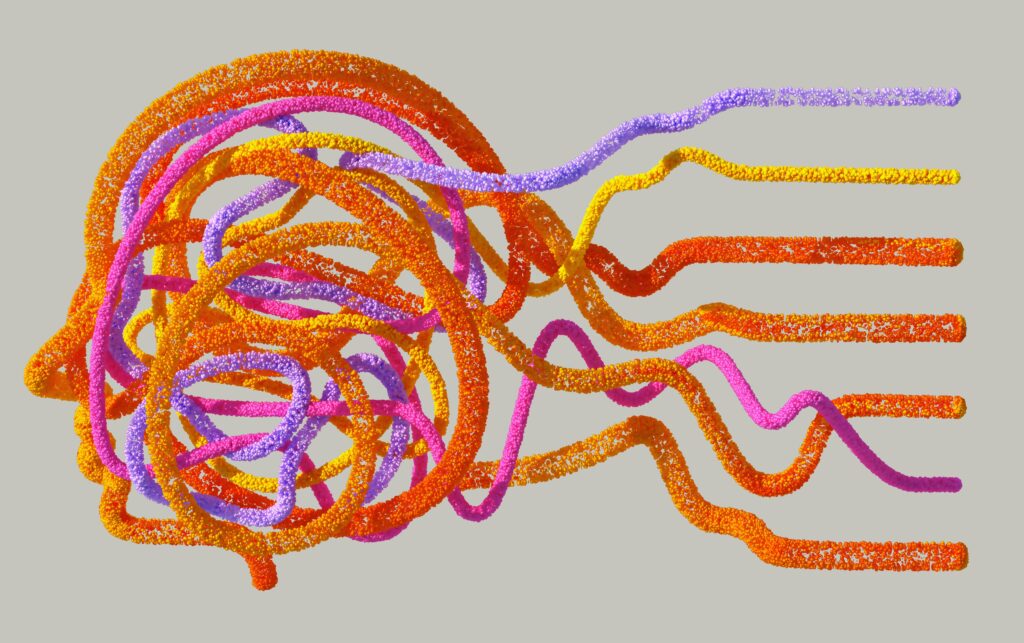
Aaira’s New Journey of Progress
She started living differently:
1. She allowed herself to make mistakes
Mistakes became lessons, not punishments.
2. She began celebrating small wins
Finishing a page, learning a new word, completing a task—everything mattered.
3. She stopped comparing her journey to others
Comparison fades joy; focus fuels progress.
4. She embraced imperfections
Her handwriting wasn’t perfect.
Her moods weren’t perfect.
Her life wasn’t perfect.
And that was okay.
5. She started listening to her emotions
Self-awareness became her new success.

The Quiet Transformation
Over time, she felt lighter.
- Anxiety reduced
- Self-love increased
- Confidence grew
- Happiness returned
- Identity strengthened
People around her noticed her glow and asked what changed.
She simply smiled and said:
“I stopped chasing perfection, and I started chasing myself.”
What We Learn From Her Story
Her journey teaches us powerful psychological lessons:
Failure doesn’t break people—perfectionism does
Being human is healthier than being flawless.
Healing is not a straight line
Progress happens slowly, like sunrise.
Self-worth should not depend on achievements
You deserve love simply because you exist.
Every step forward counts
Even if it’s small, even if it’s messy.
True happiness grows from inside
Not from validation, but from self-acceptance.
Q&A – Understanding Progress Over Perfection
Q: Why is perfection dangerous?
Because it sets impossible standards that damage mental health.
Q: Why does progress make us happier?
Because every small improvement releases dopamine and boosts motivation.
Q: Can a perfectionist truly change?
Yes. With awareness, self-compassion, and gradual practice.
Q: What’s the first step toward embracing progress?
Accepting that mistakes are part of growth, not proof of failure.
Conclusion
In a world obsessed with flawless results, Aaira discovered a truth most people never learn:
Happiness blooms in progress, not perfection.
Every step, every attempt, every lesson, every small improvement—
that’s where joy truly lives.
Perfection is a cage.
Progress is freedom.
And she finally chose freedom.

“When you stop chasing perfection and start embracing progress, happiness quietly finds its way back to you.”