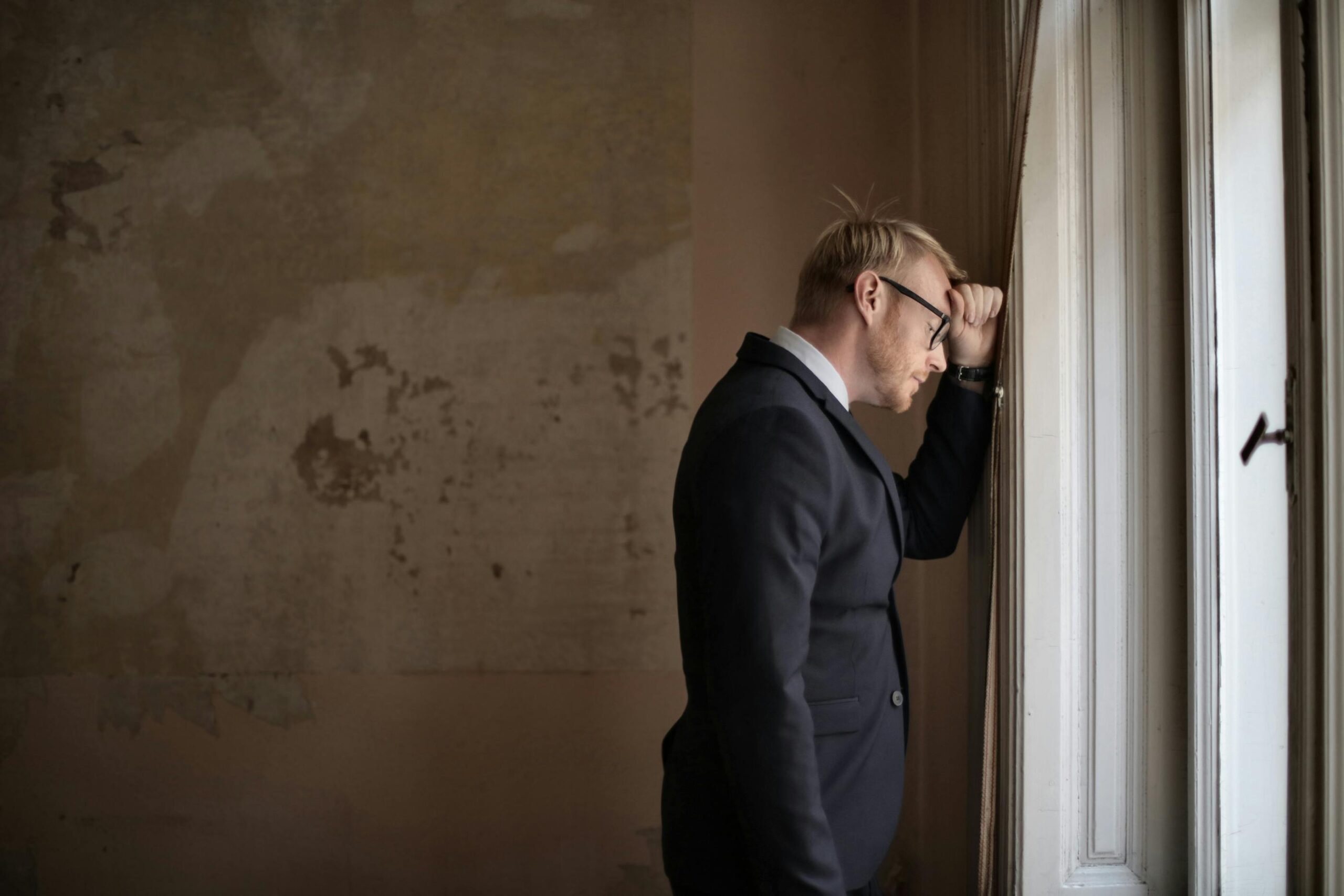
Introduction – When Wealth Creates an Illusion
In today’s world, many people believe that money can buy everything—power, success, loyalty, and even respect. But real life has shown that wealth can only purchase things, not human values.
This is the story of a rich man who had everything society admires—cars, status, properties, employees—but learned a hard lesson:
Money can build an empire, but only character can build loyalty and respect.
This story is not just fiction; it is backed by psychology, leadership books, and real-world corporate examples that prove the same truth
Early Life – Wealth Without Struggle
Born into a powerful business family, he grew up surrounded by luxury:
- Chauffeurs
- Private schooling
- International vacations
- A career waiting for him
He was never denied anything.
And slowly he believed:
“If I need something, I can solve it with money.”
This belief carried into adulthood and into business. People smiled at him, praised him, and obeyed him—not because they admired him, but because he controlled the paycheck.

The Illusion of Loyalty
As he expanded his businesses, he filled his office with:
- Highly paid managers
- Influential partners
- Skilled employees
He never questioned:
Do they follow me… or the money?
A study published in the Journal of Personality and Social Psychology explains that people often become overly agreeable when someone powerful controls their financial stability.
Many who served him were:
- silent to avoid conflict
- agreeable to avoid losing benefits
- obedient to protect their positions
He saw this and assumed:
“They respect me.”
But in reality, as psychology research states:
Silence around powerful people often comes from fear, not loyalty.

Stanford Research – When Power Changes Behavior
At Stanford University, researchers found that people with temporary power:
- talk more
- listen less
- become overconfident
- misread silence as agreement
This is exactly what happened to the rich man. Because no one disagreed, he assumed he was making perfect decisions.
Collapse – When Money Wasn’t Enough
Then a major business deal went wrong.
Stocks fell.
Banks demanded payment.
Shareholders pulled out.
He expected support from his “loyal team,” but instead:
- managers resigned
- assistants disappeared
- partners moved to competitors
- his phone stopped ringing
The harsh truth hit him:
They were not loyal to him. They were loyal to his money.
He realized, for the first time in his life, how alone he truly was.
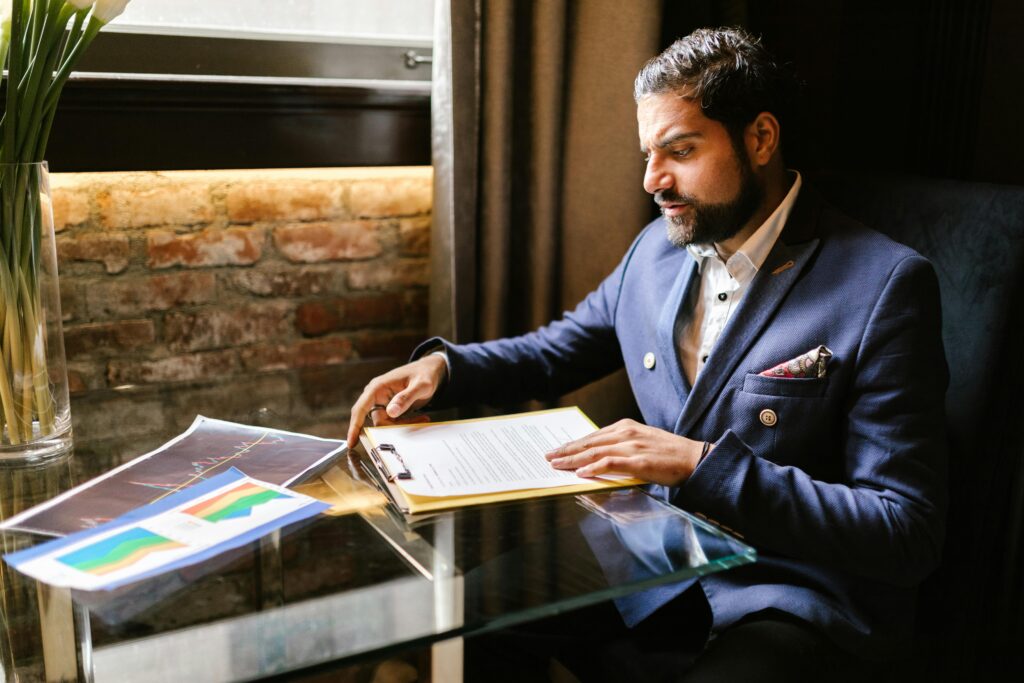
The Conversation That Changed Him
The only person left in his office was an elderly clerk—someone who had never received promotions, bonuses, or special treatment.
The rich man asked:
“Why did everyone leave me?”
The clerk replied:
“Because you always paid people’s presence, not their trust.”
That sentence tore down everything he believed.
Understanding the Psychology of Loyalty
According to Maslow’s Hierarchy of Needs, once financial and physical needs are met, humans desire:
- belonging
- respect
- emotional safety
- acknowledgment
Money may secure employment, but it does not satisfy deeper emotional needs.
This is why his employees stayed as long as there were financial benefits—and left the moment those benefits ended.
Book Insight – “Leaders Eat Last” by Simon Sinek
Simon Sinek explains:
“People do not follow great leaders because they have power. They follow them because they feel safe.”
The rich man had power, but never created emotional safety in his workplace. Without that foundation, the organization could not stay united in crisis.
Book Insight – “How to Win Friends and Influence People” by Dale Carnegie
Carnegie teaches that leadership is not about:
- commanding
- ordering
- dominating
It is about:
- listening
- appreciating
- valuing people as humans
The rich man did none of these things in the beginning.
Therefore, he earned compliance—not respect.
A Real Corporate Example – Enron
The fall of Enron, once a global powerhouse, perfectly mirrors this situation:
- Leaders demanded obedience
- Employees feared disagreement
- No emotional loyalty existed
When the company collapsed, no one stood by leadership—because the culture was built on fear and money, not trust and ethics.
Just like the rich man, Enron learned that:
When wealth is the only glue holding people together, everything falls apart when the money disappears.
Rebuilding – Becoming a True Leader
Instead of giving up, the rich man rebuilt from the ground up.
This time he:
- listened instead of ordering
- apologized where needed
- shared responsibility
- asked for opinions
- built relationships instead of transactions
He moved around departments—not as a boss, but as a learner.
Slowly, the workplace changed.
Employees began to:
- speak honestly
- share ideas
- take ownership
And most importantly—they stayed, even when times were tough.

Daniel Goleman’s Emotional Intelligence Theory
Daniel Goleman states:
“Great leaders are not defined by IQ, but by EQ.”
EQ means:
- empathy
- self-awareness
- relationship management
The rich man began practicing all three—and loyalty returned.
Success Returns – But With New Meaning
Within two years, the company recovered.
But this time:
- success felt earned
- relationships were real
- loyalty was emotional, not financial
He was no longer a “rich man”—
He was a leader worth following.
Q&A – Understanding Loyalty, Leadership, and Respect
Q1: Can money buy loyalty?
Only temporarily.
Studies show that financial loyalty ends the moment financial benefit ends.
Q2: Why did his employees leave at the first sign of trouble?
Because they were attached to:
- salaries
- benefits
not values or emotional trust.
Q3: What builds real loyalty?
Research shows loyalty grows from:
- fairness
- appreciation
- shared struggle
- trust
- respectful leadership
Q4: How do leaders earn respect?
By:
- listening
- being honest
- standing with people in difficulty
- recognizing effort
- leading by example
Q5: What changed after the crisis?
People followed him not because they had to—but because they wanted to.
Lessons Learned
The rich man’s story proves:
Money can open doors, but cannot build relationships
Respect is earned through character
Loyalty grows from emotional trust
Leadership is proven in bad times, not good
When people follow you, not your wallet—you have succeeded
Conclusion
He spent his early life thinking wealth was power.
He spent his hardest years learning that:
Money buys things, not people. Character earns loyalty. Humanity earns respect.
Today, he asks:
Not—
“How much do you want?”
But—
“How can we grow together?”
And that transformation made him richer than money ever could.
References
- Journal of Personality and Social Psychology – Studies on power and behavior
- Stanford University research on leadership perception
- Harvard Business Review – Workplace loyalty and motivation
- Maslow’s Hierarchy of Needs – Theory of human motivation
- Simon Sinek – “Leaders Eat Last”
- Dale Carnegie – “How to Win Friends and Influence People”
- Daniel Goleman – Emotional Intelligence research
- Corporate leadership history: Enron collapse case studies
- Oxford research papers on organizational trust